

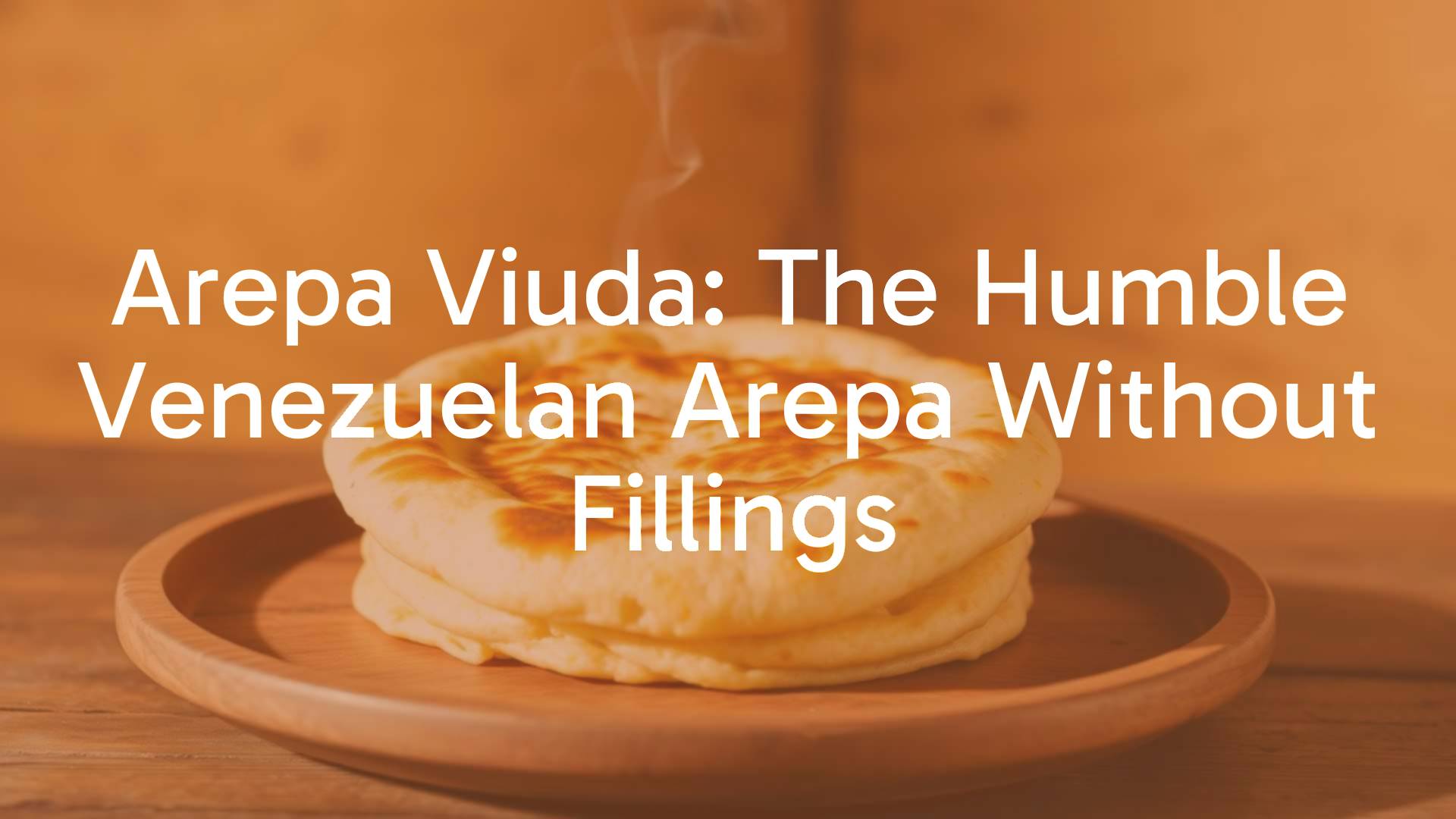
Discovering the Arepa Viuda: Simplicity at Its Best
The “arepa viuda” is a unique variation of Venezuela’s iconic arepa, standing out in the culinary landscape for its striking simplicity. The term “viuda” translates to “widow” in Spanish, and in the context of this dish, it references an arepa served without any fillings. Though simple, the arepa viuda holds a cherished place in Venezuelan culture, demonstrating that sometimes the purest enjoyment comes from minimal adornments.
Origins and Cultural Significance
Arepas are ancient, pre-Columbian staples originating from the indigenous peoples of what is now Venezuela and Colombia. The tradition of the arepa viuda developed naturally alongside the filled versions, especially among families who cherished the fundamental taste of freshly baked corn dough. Whether due to economic necessity or as a deliberate choice to enjoy the unembellished flavor of the arepa, the viuda style has endured, celebrated in homes and sold by street vendors alike. It symbolizes frugality, appreciation for basics, and sometimes, the start of a meal before other accompaniments are added.
Key Characteristics: Taste and Texture
The arepa viuda highlights the essence of its main ingredient: pre-cooked white or yellow cornmeal. Warm and slightly crispy on the outside, yet soft and steamy inside, it offers a satisfying chew and subtly sweet, nutty corn flavor. Unlike stuffed arepas, all the attention is on the dough’s freshly baked aroma, its golden crust, and the gentle saltiness that brings out its natural taste.
How Is Arepa Viuda Enjoyed?
Arepa viuda is typically savored hot from the griddle, often with just a pat of butter melted inside or a sprinkle of salt. Some enjoy pairing it with a hot beverage—like black coffee or “chicha” (a rice-based drink)—or as a side to hearty soups and stews, where its simplicity balances more robust flavors. It’s common to see arepa viuda served for breakfast or as a snack throughout the day, often breaking it open and dipping it into broths or using it to scoop up small side dishes.
Comparisons and Regional Nuances
Unlike the widely recognized stuffed arepas—filled with anything from shredded beef (“reina pepiada”) to cheese or black beans—the arepa viuda is all about the unadorned base. In some regions, you might find slight differences in size or thickness; in the Venezuelan Andes, cornmeal might sometimes be blended with wheat flour for a distinctive texture. Despite its lack of garnish, the arepa viuda remains a blank canvas, beloved for both its simplicity and as a beloved comfort food.
Frequently Asked Questions About Arepa Viuda
- Is the arepa viuda meant to be eaten plain?
Traditionally, yes—though some prefer adding a touch of butter, cheese on the side, or pairing it with savory dishes. - Why is it called “viuda” (widow)?
The arepa is “widowed” of fillings, making it plain compared to its more lavishly stuffed counterparts. - Is it less popular than stuffed arepas?
While filled arepas are more commonly featured in restaurants, arepa viuda remains a familiar comfort food and everyday staple in many Venezuelan homes. - Can you use different types of cornmeal?
Yes, both white and yellow pre-cooked cornmeal are used, sometimes reflecting regional preferences.
The arepa viuda stands as a tribute to Venezuelan culinary tradition—proving that even the simplest preparations can evoke nostalgia, warmth, and pride in one’s heritage.
