

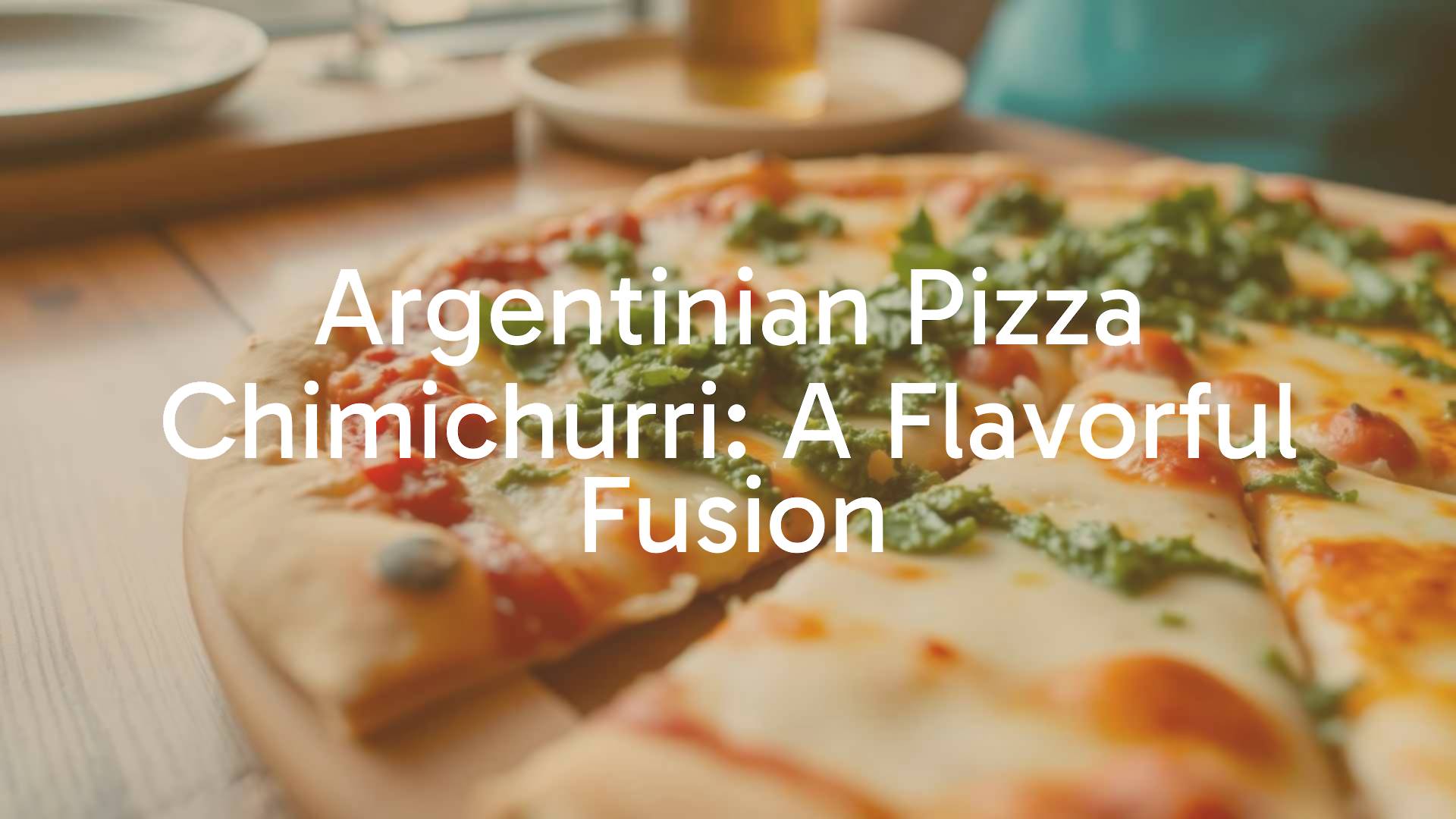
Argentinian Pizza Chimichurri: Where Italian Roots Meet Local Flair
The Argentinian “pizza chimichurri” represents an exciting twist in the country’s culinary landscape, blending classic Italian-style pizza with the bold, herbaceous flavors of Argentina’s famed chimichurri sauce. This distinctive creation is more than just a pizza topped with sauce—it encapsulates a merging of traditions, highlighting Argentina’s long history of Italian immigration and its affection for native condiments.
What Sets Pizza Chimichurri Apart?
Unlike its Italian ancestor, Argentinian pizza is generally noted for its thick, soft, doughy base and a generous amount of cheese—often mozzarella or local varieties like muzzarella. The addition of chimichurri sets this version apart. Chimichurri is a vibrant sauce traditionally made from parsley, oregano, garlic, vinegar, and olive oil, sometimes with a hit of chili pepper for heat. On pizza, it lends a zesty, aromatic profile that cuts through the richness of cheese and adds a burst of freshness.
Historical Roots: Immigration and Innovation
Pizza became incredibly popular in Argentina thanks to the wave of Italian immigrants in the late 19th and early 20th centuries. Over decades, local pizzaiolos adapted the classic dish to Argentinian tastes, favoring doughier bases and thick toppings. Chimichurri, meanwhile, originates from Argentinian grill culture, especially associated with “asado” (barbecue). Combining these two emblematic foods came naturally in a culture that embraces culinary creativity and fusion.
Social and Cultural Significance
Pizza in Argentina is much more than a meal—it’s a central player at gatherings with friends and family, particularly in bustling pizzerias found in cities like Buenos Aires. The chimichurri-topped version has become especially popular at such venues, where diners appreciate the chance to customize their slices with ladles of this tangy sauce offered tableside. Shared between friends, it’s a symbol of Argentine sociability and openness to blending influences.
Regional Variations and Serving Styles
While the basic components remain the same, there is room for regional and individual variations. Some pizzerias might offer pizza chimichurri with additional toppings—such as roasted red peppers, ham, or olives—while others keep it simple to let the sauce shine. In homes or informal settings, the sauce may be passed around as a dip or drizzle, while upscale pizzerias might blend it into the base or incorporate it into the baking process.
Frequently Asked Questions and Fun Facts
Is the chimichurri sauce spicy? Traditionally, chimichurri isn’t very hot, but some versions include chili flakes for those who enjoy a kick.
How is pizza chimichurri eaten? Diners typically add as much or as little sauce as they like after the pizza is baked, customizing each slice to taste.
Why is Argentinian pizza so thick? The pillowy crust is a hallmark of local pizza culture, designed to absorb ample toppings and, of course, plenty of chimichurri!
An Iconic Fusion Dish
Pizza chimichurri is a testament to Argentina’s dynamic culinary scene, combining beloved foods into something uniquely local. Whether enjoyed at a lively pizza parlor or in a family home, each bite brings together history, flavor, and the spirit of Argentinian gathering around the table.
