

Bonito Ceviche: A Distinctive Take on Peruvian Seafood Tradition
An Introduction to Bonito Ceviche
Peruvian cuisine is renowned for its bold flavors and fresh ingredients, with ceviche occupying a special place among its national dishes. While classic ceviche typically features white-fleshed fish like corvina, bonito ceviche offers a unique twist, showcasing the robust and slightly oily flesh of bonito—a prized catch along the Pacific coast.
What Sets Bonito Ceviche Apart?
The primary distinction of bonito ceviche lies in the fish itself. Bonito is a dark, firm-fleshed species related to tuna, lending the dish a richer flavor and a more substantial texture compared to other ceviche varieties. Its pronounced taste is complemented by the tangy marinade, resulting in a lively blend of savory, acidic, and spicy notes.
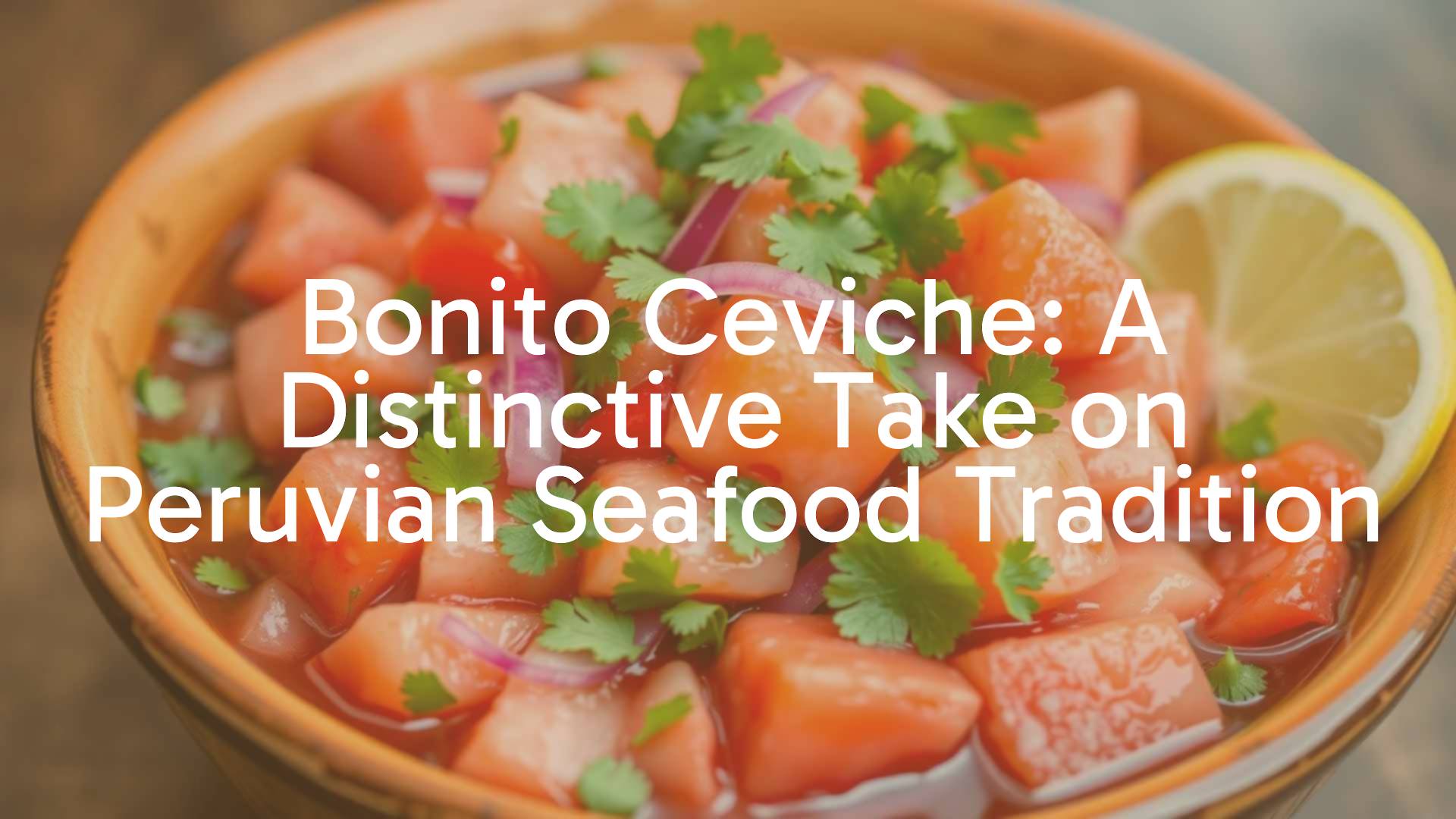
Visually, bonito ceviche is striking, with deep reddish-pink morsels contrasted by bright toppings of red onion, chopped cilantro, and vibrant slices of ají amarillo (Peruvian yellow chili). The dish is often garnished with choclo (large-kernel Andean corn) and sweet potato, making for a colorful and inviting presentation.
Historical Origins and Regional Ties
The roots of ceviche trace back centuries, with influences from indigenous coastal cultures and later from Spanish culinary practices. Bonito became popular in northern coastal regions like Piura and Tumbes, where fishermen have long celebrated its availability during certain seasons. The techniques for preparing ceviche have been passed down through generations, adapting to local ingredients and tastes over time.
Bonito ceviche, in particular, is often associated with traditional fishing communities, serving as an emblem of both the bounty of the Pacific and the ingenuity of local cooks who embraced bonito as a flavorful alternative to more common fish species.
Key Ingredients and Preparation Approach
Traditional ceviche preparation involves marinating the fish in freshly squeezed lime juice, which “cooks” the flesh through acidity. Bonito ceviche requires careful slicing, owing to its firmer texture. Essential ingredients include:
- Bonito fish: Fresh, high-quality bonito is essential for the best texture and flavor.
- Peruvian limes: Their sharp acidity is crucial for the signature ceviche tang.
- Ají amarillo: This mild, golden chili imparts both heat and a subtle sweetness.
- Red onion: Thinly sliced for a crisp, pungent bite.
- Cilantro: Chopped for freshness and aroma.
- Choclo and sweet potato: These sides counterbalance the acidity and heat.
Additional seasonings like salt and sometimes a touch of garlic complete the marinade. The dish is typically served immediately to preserve the freshness and tender texture of the bonito.
Cultural Significance and Contemporary Appeal
Bonito ceviche is more than just a variation—it reflects regional pride and resourcefulness in Peruvian gastronomy. It’s a beloved specialty during bonito fishing season and is commonly shared in family gatherings and festive occasions by the sea. Its growing popularity has also reached modern Peruvian restaurants and cevicherías, where adventurous diners seek out this flavorful rendition.
In sum, bonito ceviche stands as a testament to Peru’s rich maritime heritage, encapsulating bold flavors, local tradition, and the vibrant spirit of the nation’s coastline.
