

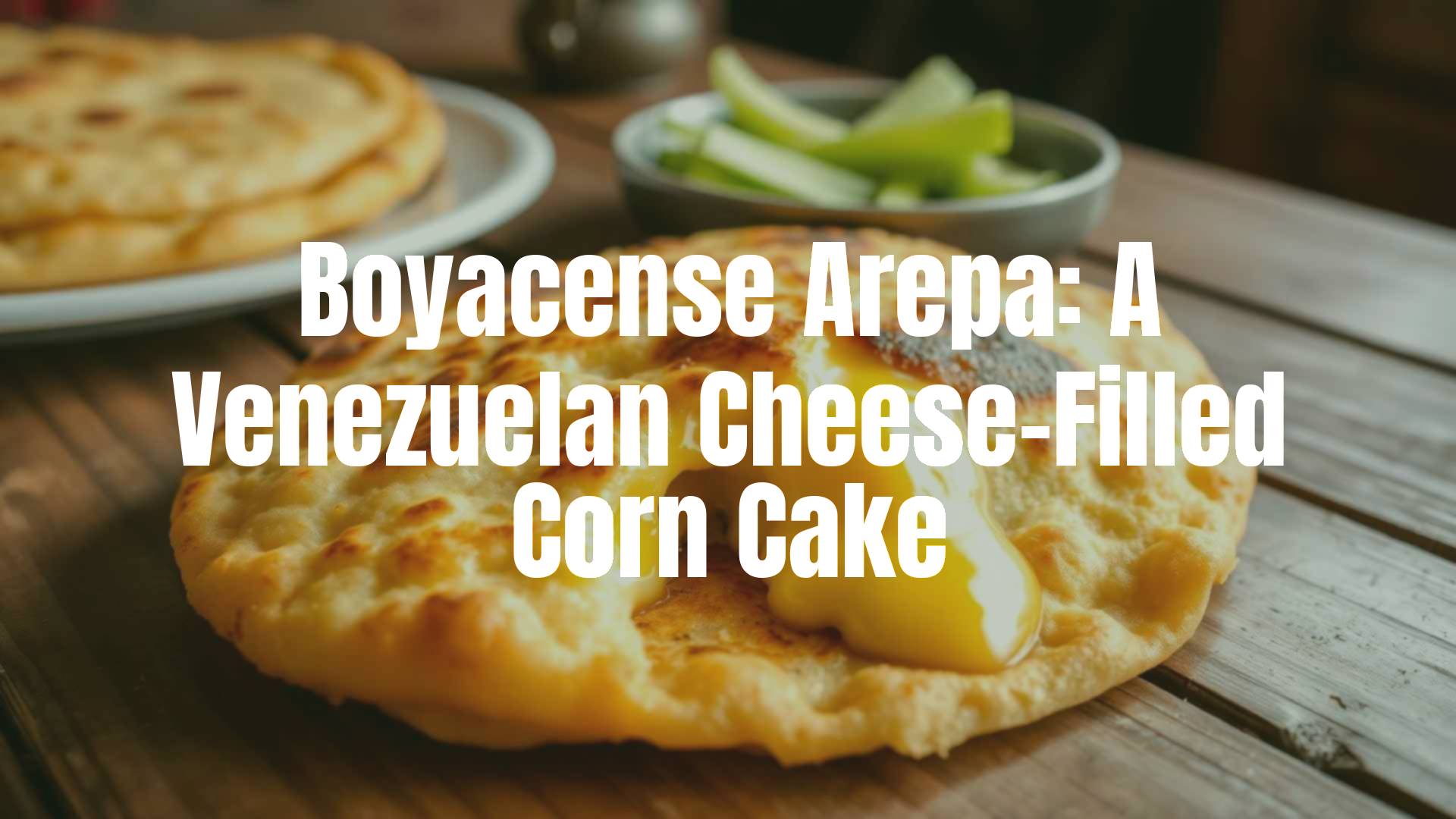
Boyacense Arepa: A Hidden Gem of Venezuelan Gastronomy
Understanding the Boyacense Arepa
The boyacense arepa is a lesser-known, yet beloved, Venezuelan corn cake, treasured for its distinct cheese-filled center and rich, satisfying flavor. Hailing from the Andean regions bordering Colombia, this specialty is a testament to the diverse tapestry of Venezuelan culinary heritage. Unlike the most common arepas, the boyacense variant stands out for its unique combination of corn dough and a generous helping of cheese, resulting in a hearty, comforting treat enjoyed at any time of day.
Historical Roots and Cultural Importance
This version of arepa takes its name from Boyacá, a region in neighboring Colombia, echoing the shared culinary traditions found along the borderlands. Venezuelans have embraced the boyacense arepa for generations, often preparing it during special gatherings and as a symbol of the fusion between Andean and Venezuelan flavors. It embodies the spirit of community, as these arepas are commonly made and enjoyed with friends and family.
Key Components and Sensory Appeal
The hallmark of a boyacense arepa is its substantial thickness and the stretchy, salty cheese encased within. The exterior is usually golden and lightly crisp, while the inside stays moist and is further enriched by the molten cheese. Traditional recipes typically utilize cornmeal and fresh white cheese, though some variations might include a touch of sugar in the dough for a subtle contrast. Each bite delivers a harmonious blend of savory, creamy, and slightly sweet notes, making it incredibly satisfying.
Enjoying Boyacense Arepas: Serving Ideas
Boyacense arepas shine as a standalone snack or a hearty breakfast, best enjoyed fresh off the griddle. They’re often accompanied by a hot beverage such as coffee or cacao, which complements the cheese’s richness. While delicious on their own, they can also be sliced open and filled with additional ingredients like ham or scrambled eggs, though many purists prefer the unadorned, cheese-filled classic.
Regional Variations and Similar Dishes
While the boyacense arepa has its strongest presence in Venezuelan Andean towns and border regions, it shares similarities with Colombian arepas boyacenses, though the latter often have a sweeter dough and sometimes a thinner profile. Elsewhere in Venezuela, variations might feature different cheeses or be flavored with local herbs. Compared to standard Venezuelan arepas, which are typically split and filled after cooking, the boyacense arepa is unique for having its filling sealed within the dough before cooking, resulting in its delightful, gooey center.
Frequently Asked Questions
Is the boyacense arepa the same as other Venezuelan arepas?
While all arepas share a base of cornmeal, the boyacense arepa stands out because of its sealed cheese filling and slightly sweet notes in some versions, distinguishing it from the more widespread, split-and-stuff style arepa.
What kind of cheese is traditionally used?
Local fresh white cheeses, such as queso de mano or queso paisa, are most traditional, though mozzarella can be a substitute when those aren’t available.
How is it usually cooked?
Boyacense arepas are typically cooked on a hot griddle or budare until the outside is crisp and the cheese inside melts, creating their signature texture.
Can I find boyacense arepas outside of Venezuela?
They are uncommon abroad, but some Venezuelan bakeries or specialty food shops may carry them, particularly in cities with significant Venezuelan or Colombian communities.
