

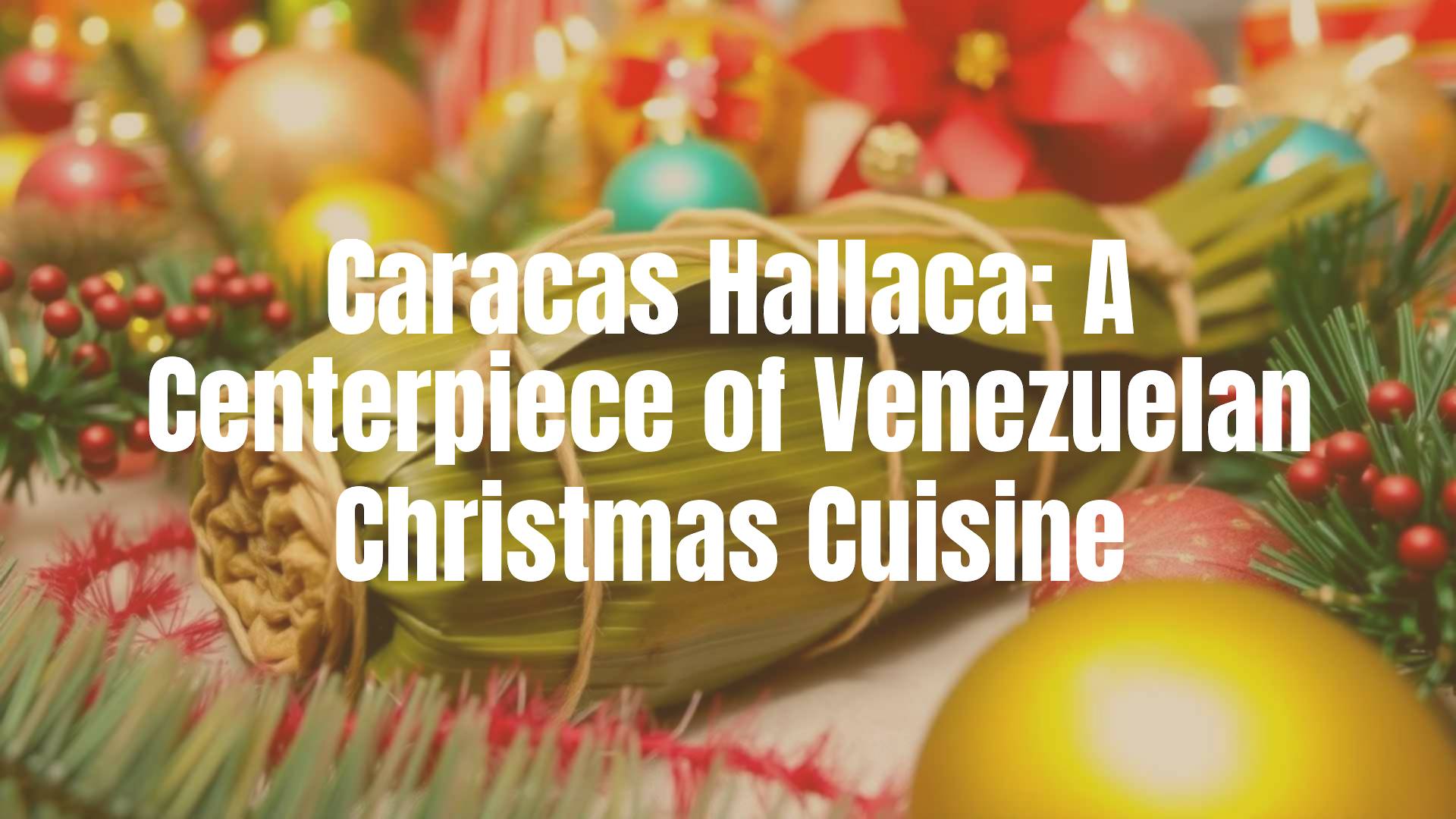
Caracas Hallaca: A Festive Staple in Venezuelan Gastronomy
What Is a Caracas Hallaca?
The Caracas hallaca is an emblematic Venezuelan dish, especially cherished during the Christmas season. This delicacy is a tamal-like creation, featuring a flavorful mixture of meats, vegetables, and aromatic spices, all encased in corn dough and wrapped in plantain leaves. Its careful preparation and complex flavors make it more than just a holiday food—it’s a celebrated tradition and a symbol of unity among Venezuelan families.
Historical Roots and Cultural Importance
The origins of hallaca trace back to colonial Venezuela, emerging as a dish born from cultural fusion among Spanish, African, and indigenous culinary influences. In Caracas, the capital, the hallaca has been elevated to a culinary art form, with family recipes handed down through generations. Its preparation is often a communal affair, with relatives gathering in early December to make large batches, reinforcing family bonds and shared heritage.
Key Ingredients, Flavors, and Textures
Central to the Caracas hallaca are its varied fillings, or “guiso,” typically a savory mix of beef, pork, and chicken, slow-cooked with onions, garlic, bell peppers, raisins, olives, and capers. These are seasoned with wine, spices, and sometimes a hint of sweetness from panela (raw cane sugar). The filling is enveloped in a thin sheet of yellow corn dough, tinted with annatto, then wrapped in soft plantain leaves and tied with string before being gently boiled. The result is a dish with contrasting notes: savory, sweet, and briny, wrapped in a subtle earthy aroma imparted by the plantain leaves. The texture is tender, slightly sticky, and comforting.
How Caracas Hallaca Is Enjoyed
Traditionally, hallacas are served during December festivities, especially on Christmas Eve, as part of a broader “plato navideño” (Christmas plate). They are commonly shared with guests or gifted to friends and neighbors, a gesture reflecting the spirit of generosity and togetherness. Pairings often include pan de jamón (ham bread), ensalada de gallina (chicken salad), and pernil (roast pork leg). The dish is typically accompanied by beverages such as rum punch or “ponche crema,” a Venezuelan eggnog.
Comparisons and Regional Variations
While the concept of hallaca is national, the Caracas version stands out for its elaborate, multi-meat filling and its meticulous layering of sweet and savory elements. In contrast, other regions may use different proteins, include local ingredients, or adjust the seasoning to suit regional preferences. For instance, hallacas from the eastern states embrace seafood, while Andean hallacas might be plainer or spicier. Interestingly, although hallaca shares similarities with other Latin American tamales, the use of plantain leaf and the blend of flavors distinguish Caracas hallaca as uniquely Venezuelan.
Frequently Asked Questions
Is a Caracas hallaca different from other Venezuelan hallacas?
Yes, while all hallacas share a similar concept, the Caracas version is noted for its refined flavor profile, inclusion of multiple meats, and careful balance of sweet and savory garnishes.
Can hallacas be found outside the Christmas season?
They are traditionally linked to Christmas, but some families or specialty Venezuelan restaurants may offer them year-round, especially in expatriate communities.
Is it difficult to make Caracas hallacas?
Due to the number of ingredients and steps involved, making hallacas is time-consuming and labor-intensive. However, the process is viewed as a meaningful family tradition, making the work as cherished as the finished dish itself.
