

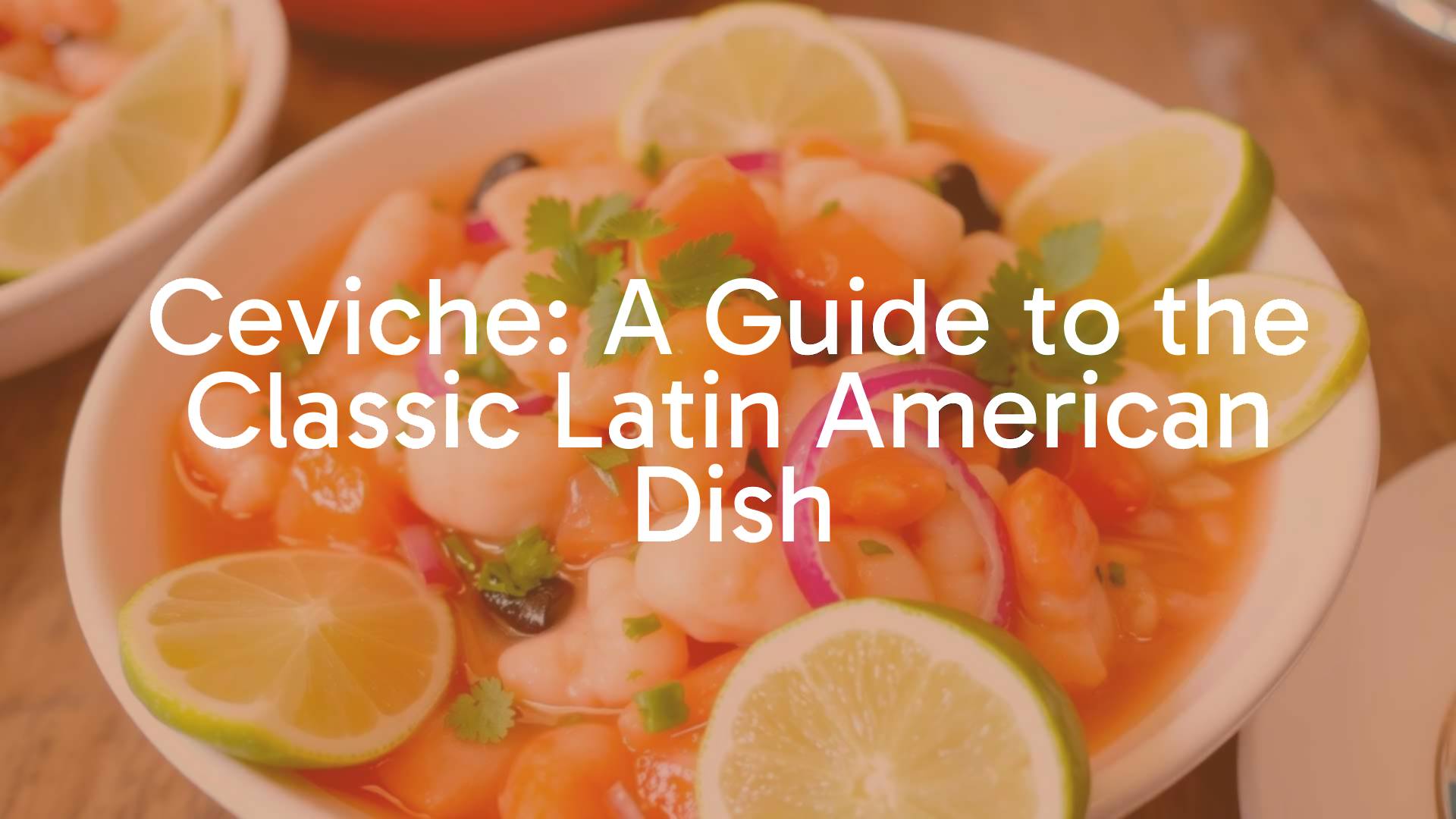
Ceviche is a bright, flavorful dish made from fish or shellfish that is soaked in citrus juice and seasonings. The main point of ceviche is that the acid from the juice, usually lime or lemon, changes the texture of the seafood-making it look and feel “cooked” even though no heat is used. This process, called denaturing, makes the seafood firmer and opaque, yet it keeps the fresh taste. This simple combination of fresh seafood, citrus, and veggies has won fans around the world as a meal or starter.
This classic Latin American dish is known for being light and easy to eat, especially in warm weather. The real appeal comes from the way fresh ingredients work together. From its origins on the coast to its reputation as a dish loved internationally, ceviche continues to please people thanks to its easy preparation and many creative versions.

What Is Ceviche?
At its simplest, ceviche is about how citrus juice changes seafood. Raw fish or shrimp is “cooked” by being soaked in lime or lemon juice, which rearranges the proteins and gives it a cooked appearance and bite. There’s no need for heat-the acid does the job, creating a dish that is still juicy and tasty.
Apart from the marination, ceviche usually mixes in finely chopped tomatoes, cucumbers, onions, herbs like cilantro, and sometimes chili peppers. Each region and even every cook has their own version, making every ceviche different. What stands out most is the dish’s freshness, balanced flavors, and vibrant ingredients.
Where did ceviche originate?
Ceviche comes from the coastal parts of Central and South America and has a long history. While exact origins are debated, Peru is closely linked to ceviche. In December 2023, UNESCO listed Peruvian ceviche as part of its Intangible Cultural Heritage of Humanity, showing the dish’s importance in Peruvian culture.
Evidence suggests forms of ceviche existed with ancient Peruvian civilizations like the Caral and Moche. Early recipes used chili and salt, or sometimes fermented juices to preserve fish. When the Spanish brought citrus to the Americas, the dish evolved further. Chef Gastón Acurio notes that Lima played a big part in spreading and developing ceviche, letting it absorb different influences over time.
Other countries along the Pacific-like Ecuador, Mexico, and Chile-also claim a rich tradition of ceviche. Ecuador, for example, dates its version back to the Valdivia culture when seafood was key to their diet. Overall, ceviche has changed over thousands of years into the dish we know and enjoy today.
| Country | Key Ingredients | Special Features |
|---|---|---|
| Peru | White fish, lime, onion, chili | Served with sweet potato & corn |
| Ecuador | Shrimp, lime, tomato sauce, mustard | Shrimp is often cooked before marinating |
| Chile | Halibut, lime, grapefruit, garlic | May add coconut milk on Easter Island |

How does ceviche differ from other raw seafood dishes?
Unlike sashimi or carpaccio-which use raw seafood and focus on its untouched qualities-ceviche is defined by the change in the fish that results from marinating in citrus juice. The seafood turns opaque and firmer, like cooked fish, without heat.
Poke, from Hawaii, is another dish with diced raw fish, but it is seasoned with sauces like soy and sesame oil and is not marinated in citrus. Aguachile, from Mexico, uses lime too but marinates for a very short time and is much spicier, leaving the seafood closer to its raw state. Ceviche is set apart by its longer marination, mix of veggies and herbs, and blend of sour, spicy, and fresh flavors.
Ceviche Ingredients and Key Components
The success of ceviche depends mostly on a few main ingredients: the freshest seafood, sharp citrus juice, and a crisp mix of veggies and herbs. While recipes change depending on where you are and who is making it, these basics are present almost everywhere.
Ceviche is flexible; you can stick to tradition or try new combinations. Knowing the purpose of each ingredient helps you make a great ceviche, whether you prefer classic Peruvian or a lively Mexican version.
Which fish and seafood are best for ceviche?
- Freshness. Only use the freshest seafood, labeled as “sashimi-grade” or “sushi-grade,” since there’s no heat to kill bacteria.
- Best choices: Corvina (sea bass), red snapper, mahi-mahi, halibut, and escolar. Sole and kingfish work well too. For shellfish, shrimp and scallops are favorites.
- Safety tip: Avoid river fish or farmed fish unless you know it’s safe for raw use. Some fish can get tough unless cut and prepared with care.
Which citrus juices are most commonly used?
- Lime juice-most popular and traditional, especially in Peru and Mexico.
- Lemon juice is also used in some places.
- Sour orange and, in some cases, even grapefruit can be used for different flavors (Chilean ceviche sometimes uses grapefruit).
Always squeeze citrus juice fresh for a balanced, pleasant taste-avoid old or unripe fruit which can make the dish too sour.
Common add-ins and flavor options
- Red onion: Adds bite; soaking in salt and lime reduces harshness.
- Cilantro: Classic herb for freshness; parsley is a good substitute if needed.
- Tomato/Cucumber: For sweetness and crunch.
- Chili peppers: Like jalapeño or serrano, to bring heat.
- Avocado: Not always traditional, but adds creaminess.
- Regional extras: Tomato sauce or Clamato in Mexico; mustard and oil in Ecuador; coconut milk in the Caribbean; sweet potatoes and corn in Peru.

How to Prepare Ceviche Safely
Making ceviche is straightforward, but food safety is key because the fish is not cooked with heat. Focus on using the best ingredients, chopping everything evenly, and marinating for the right amount of time.
Step-by-step ceviche instructions
- Prepare onions: Thinly slice red onion and soak in salt and lime juice for 10-15 minutes to soften the taste.
- Cut seafood: Dice fish or shellfish into small, equal-sized pieces (about 3/4-inch cubes).
- Mix with citrus: Place seafood and pre-marinated onions in a glass or ceramic bowl. Completely cover with fresh lime juice.
- Add seasoning: Minced garlic and chili go into the mix for flavor.
- Marinate: Chill the bowl. For fish, 45-60 minutes works well. Raw shrimp may need 1.5-2 hours; pre-cooked shrimp just 15 minutes.
- Prep veggies: While marinating, dice cucumber, tomato, and chop herbs. Dice avocado but wait to add it last.
- Combine and finish: Once seafood looks cooked, add veggies, cilantro, and any extras like oil or Clamato. Gently mix.
- Taste and season: Check the salt and pepper. Add avocado now if using.
- Serve right away: Ceviche is best eaten fresh, soon after mixing.
Tips for great flavor and texture
- Start with very fresh, high-quality seafood.
- Keep pieces evenly sized for even marination.
- Don’t marinate seafood too long; it can get tough.
- Add delicate ingredients, like herbs and avocado, just before serving to keep them fresh.
- You can pour off the first marination liquid for a milder, less fishy taste before adding extra lime juice and flavorings.
- A little olive oil can smooth out strong acid taste. Try a bit of coriander, hot sauce, or orange juice for variety.
Food safety guidelines
- Always buy sashimi-grade fish from trusted sellers. Ask if it’s safe to eat raw.
- Store seafood cold and prepare it on the same day you buy it.
- Use separate cutting boards/knives or wash well between seafood and other foods.
- Eat ceviche soon after making. Raw seafood ceviche may last up to one day in the fridge; pre-cooked shrimp versions can last two days, but fresher is always safer and tastier.
- People who are pregnant or have weak immune systems should avoid raw ceviche.
Is Ceviche Safe to Eat?
Ceviche can be safe if you use very fresh, raw seafood and and keep everything clean. The acid in citrus juice makes the fish look and feel cooked, but it does not kill all germs, parasites, or viruses. Make sure to use only seafood that’s been properly handled for raw dishes, and eat promptly.
Possible health concerns
- Parasitic worms (like Anisakis) can be present in raw seafood and cause illness.
- Bacteria such as Vibrio can also be a risk.
- Flash-freezing at certain temperatures can kill some parasites, which is why sashimi-grade seafood is best.
- Avoid giving raw ceviche to high-risk groups: pregnant women, young children, older people, or those with weaker immune systems.
How long does ceviche last?
- Fresh ceviche is best right after marinating is done.
- If needed, store raw seafood ceviche no more than 24 hours in the refrigerator-ideally, less.
- Pre-cooked shrimp ceviche may last up to 2 days, but texture and flavor will not be as good as freshly made.
- If you’re unsure, throw it out rather than risk food poisoning.
Ceviche Variations Around the World
Though ceviche is closely associated with Peru, there are many types across Latin America. The base-fresh fish “cooked” in citrus-remains, but the seafood, vegetables, and serving methods can be very different based on where you are. Here are some well-known styles:
Main South American versions
- Peru: Often uses corvina or sea bass, with lime, onion, spicy chilis, served with sweet potato, large corn, and sometimes the leftover marinade (“leche de tigre”) as a shot.
- Ecuador: Shrimp is often boiled, then marinated in lime juice with tomato sauce, mustard, and oil. Served with fried plantains or plantain chips. Some areas mix in peanut butter.
- Chile: Fish like halibut is marinated in lime and grapefruit juice, with garlic and cilantro. Easter Island adds coconut milk and tuna; Chilean ceviche can include mint.
- Colombia: More like a seafood cocktail with shrimp, squid, and sometimes mayonnaise or tomato sauce, served with crackers.
Central and North American twists
- Mexico: Many kinds, but typically uses shrimp, fish, avocado, tomato, onion, chili, and sometimes Clamato juice. Often served on tostadas or with chips.
- Nicaragua/Costa Rica: Often made with tilapia or corvina, mixed with lime, onion, cilantro, and peppers. Served in cocktail glasses with crackers and perhaps sauces like ketchup or Tabasco.
- Panama: Known for using white sea bass, lime, onions, celery, cilantro, and peppers, served in pastry shells (“canastitas”).
- Caribbean: May include coconut milk and mahi-mahi; Puerto Rican versions add coconut milk, and the Bahamas use conch with spicy peppers.

Regional sides and traditions
- Peru: Sweet potato and corn balance the citrusy ceviche; the marinating liquid is sometimes served on the side to drink.
- Ecuador/Colombia: Plantains, crackers, and, in some places, even mayonnaise or ketchup are offered.
- Mexico: Often eaten with crunchy tostadas, tortilla chips, or with diced avocado and tomato for color and flavor.
- Central America: Cocktail glasses with lettuce and crackers are a common way to serve ceviche.
How to Serve and Enjoy Ceviche
The way you serve ceviche depends on the occasion. For casual meals, let guests scoop it onto chips or plantain slices. For a dinner party, small bowls, glasses, or even spoons make great single-serve appetizers. Lettuce leaves or avocado halves can be used as serving “cups.” Always keep ceviche cold and serve right away for best flavor and safety.
Best ways to serve ceviche
- In a big bowl with tortilla or plantain chips for dipping
- Individual servings in small glasses, bowls, or on mini tostadas
- Lettuce cups or avocado halves for a lighter option
- Over a simple avocado sauce or with extra herbs for a pretty first course
Classic and modern sides
- Sweet potato and corn (Peru)
- Toasted corn or regular corn
- Chips or tostadas (Mexico and Central America)
- Plantain chips (Ecuador, Caribbean)
- Saltine crackers (common in Colombia, Panama, etc.)
- Fresh avocado, jicama, or even orange juice, for a twist
- Hot sauce for those who like extra heat
Frequently Asked Questions about Ceviche
Can ceviche be made ahead?
It’s best to enjoy ceviche fresh, as seafood will become tougher the longer it sits in citrus juice. If you want to prep ahead, chop vegetables and store them in the fridge, but only mix in the seafood about an hour before serving. For pre-cooked shrimp, marinate for about 15 minutes before serving.
Can you use cooked seafood?
Yes! This is common with shrimp. Using cooked shrimp lowers food safety risks and speeds up preparation. For fish, you can gently poach before marinating, but the texture will be different than with raw fish.
Storing leftovers
Ceviche doesn’t keep well. Store leftovers in an airtight container and eat within 24 hours for raw fish or up to 2-3 days for pre-cooked shrimp versions. Expect texture changes and less flavor. Always keep ceviche cold, and if in doubt, throw out leftovers rather than risk eating spoiled seafood.
Other Seafood Dishes Like Ceviche
If you like ceviche, you might enjoy these dishes as well. They all use fresh seafood, but each is different in flavors and how the fish is prepared:
| Dish | Origin | Main Features |
|---|---|---|
| Ceviche | Peru/Latin America | Seafood marinated in citrus until firm; mixed with veggies and herbs |
| Poke | Hawaii | Raw fish cubes with soy sauce, sesame oil, and other seasonings, usually not marinated in citrus |
| Aguachile | Mexico | Shrimp or fish quickly soaked in spicy lime and chili blend; only very lightly “cooked” by acid |
To compare, ceviche uses a citrus soak for a “cooked” taste and feel, poke is seasoned but raw, and aguachile is quick, spicy, and leaves seafood mostly raw. All three are fresh and full of flavor, each offering a different seafood experience.
