

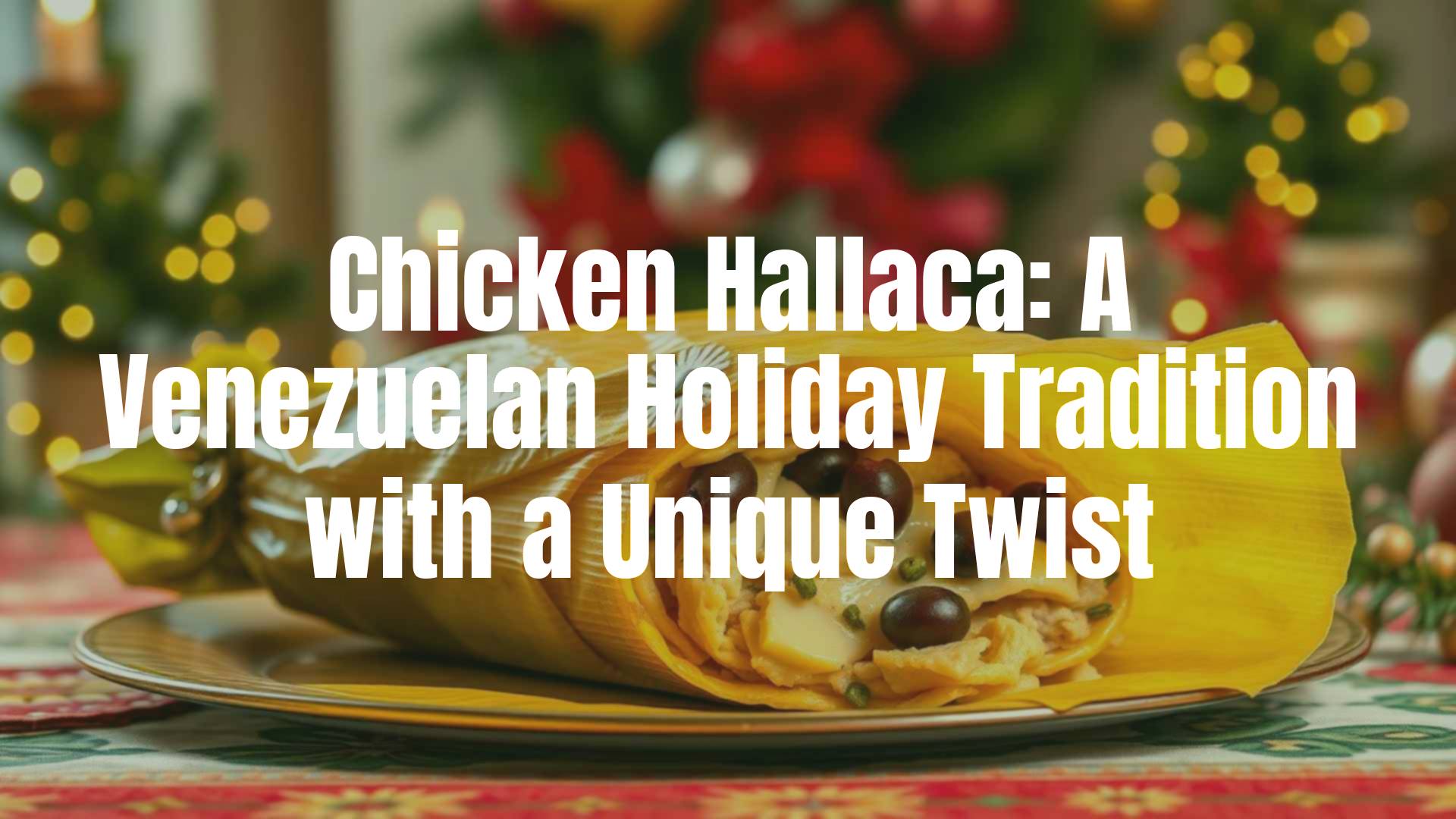
Chicken Hallaca: Venezuela’s Festive Masterpiece
An Introduction to Chicken Hallaca
Chicken hallaca stands as a cherished variation of Venezuela’s most iconic holiday dish, the hallaca. Traditionally prepared during Christmas and New Year gatherings, hallacas bring families and communities together in a flavorful, labor-intensive celebration. While the classic recipe often features a blend of beef, pork, and chicken, the chicken-only version is beloved for its lighter profile and unique character, making it a favorite for those who prefer white meat or follow dietary preferences.
Historical Roots and Cultural Resonance
With origins tracing back to the colonial era, hallaca reflects Venezuela’s rich tapestry of Indigenous, European, and African influences. It’s said to have originated as a way for workers on colonial estates to repurpose leftover meats and festive ingredients. Over generations, the dish has evolved, becoming a treasured symbol of Venezuelan hospitality, resourcefulness, and community spirit, especially during the holidays.
Core Elements and Hallmarks of Flavor
A chicken hallaca is a mosaic of textures and tastes, all encased in a fragrant cornmeal dough (masa) steeped in colorful annatto oil. The filling (guiso) features shredded chicken simmered with onions, bell peppers, garlic, herbs, raisins, olives, and capers, resulting in a harmonious blend of sweet, savory, and tangy notes. Slices of almonds and pimientos add contrasting textures, while wrapping the whole ensemble in banana leaves infuses an earthy aroma and helps keep the contents moist and flavorful during simmering.
Serving Traditions and Enjoyment
Chicken hallacas are enjoyed as the centerpiece of Venezuelan Christmas and New Year’s feasts, often accompanied by iconic side dishes such as pan de jamón (ham-stuffed bread), pernil (roast pork), and ensalada de gallina (chicken salad). They are typically served warm, straight from their banana leaf wrappers, and are often paired with beverages like ponche crema or rum-based cocktails for festive cheer.
Comparisons and Regional Twists
While chicken hallaca is a variation on the classic combination meat version, it is distinct from related Latin American dishes such as Puerto Rican pasteles or Mexican tamales, which differ in dough, filling, and wrapping methods. Within Venezuela, regional differences abound: western states might include slightly sweeter guisos or use extra dried fruits, while coastal areas sometimes incorporate seafood. The chicken-only adaptation is popular for its lighter texture, appealing to younger or health-conscious diners.
Frequently Asked Questions
Is chicken hallaca gluten-free? Yes, since the dough is made from cornmeal and the fillings contain no wheat, chicken hallaca is naturally gluten-free.
How long does it take to prepare? Making hallacas is a time-intensive process, often taking an entire day and usually involving groups of friends and family working together, which forms a key part of the tradition.
Can chicken hallacas be frozen? Absolutely. Hallacas, including chicken versions, freeze well and can be reheated in boiling water while still wrapped in their banana leaves to preserve their texture and flavor.
What makes the chicken version special? The use of only chicken gives this hallaca a more delicate flavor and a leaner profile, allowing the spices, fruits, and vegetables to shine through more distinctly in every bite.
