

What Is Pan de Jamón?
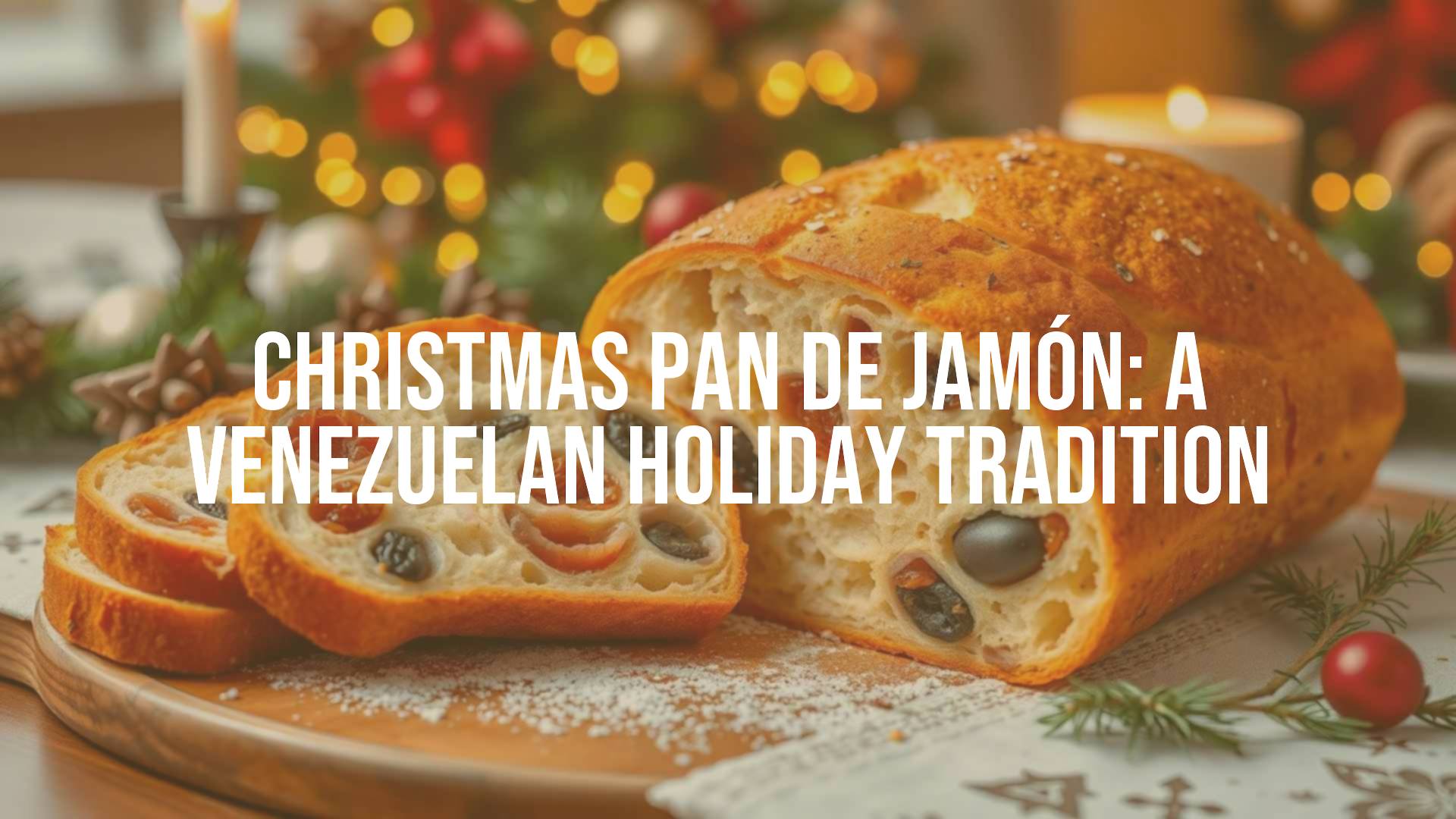
Pan de jamón is a cherished Venezuelan bread that’s synonymous with the holiday season, especially Christmas. This beautifully golden-brown loaf is filled with savory ham, sweet raisins, and briny olives, making it a festive centerpiece on Venezuelan tables each December. Its rich combination of flavors and its distinctive presentation have helped it become a beloved staple in holiday celebrations across the country.
Origins and Cultural Importance
The tradition of pan de jamón dates back to early 20th-century Caracas, where it is believed to have first been baked by local bakeries seeking to create a special treat for Christmas. Over the years, the recipe evolved, incorporating new ingredients and adapting to local tastes. Today, making or sharing pan de jamón is seen as an essential part of the Venezuelan holiday spirit, tightly woven into family gatherings and festive meals.
Distinctive Ingredients and Flavor Profile
What sets pan de jamón apart is its rolled, enriched bread dough, typically brushed with egg wash for a shiny finish, and generously filled with cured ham, plump raisins, and pimento-stuffed green olives. Some modern variations add bacon, nuts, or even cream cheese for extra indulgence. The fusion of salty ham, the gentle sweetness of raisins, and the robust tang of olives gives each bite a complex harmony of flavors and textures.
Enjoying Pan de Jamón: Serving and Pairings
This bread is usually sliced and served as part of the main Christmas meal, often enjoyed warm or at room temperature. It pairs beautifully with traditional sides such as ensalada de gallina (Venezuelan chicken and potato salad) and hallacas (corn dough parcels filled with meat), completing the festive spread. Many families enjoy pan de jamón with coffee for breakfast or as a snack throughout the holiday season.
Regional Variations and Similar Breads
While the classic pan de jamón recipe is widely loved, regional differences and personal family traditions abound. Some households stuff their loaves with turkey instead of ham, or add caramelized onions and almonds for a twist. Outside Venezuela, you might find similar festive breads in other Latin American countries, but the combination of ham, raisins, and olives is a uniquely Venezuelan hallmark.
Frequently Asked Questions
Is pan de jamón eaten only at Christmas? While it’s most associated with Christmas, some bakeries make it year-round due to popular demand.
Can I make pan de jamón vegetarian? Several modern adaptations use plant-based fillings to offer a vegetarian version without ham.
Why does it have raisins and olives? The sweet and savory contrast is a classic feature in Venezuelan cuisine, creating a unique flavor experience that defines pan de jamón.
How should I store leftovers? Pan de jamón keeps well wrapped in plastic or foil at room temperature for a couple of days, or refrigerated to prolong freshness.
