

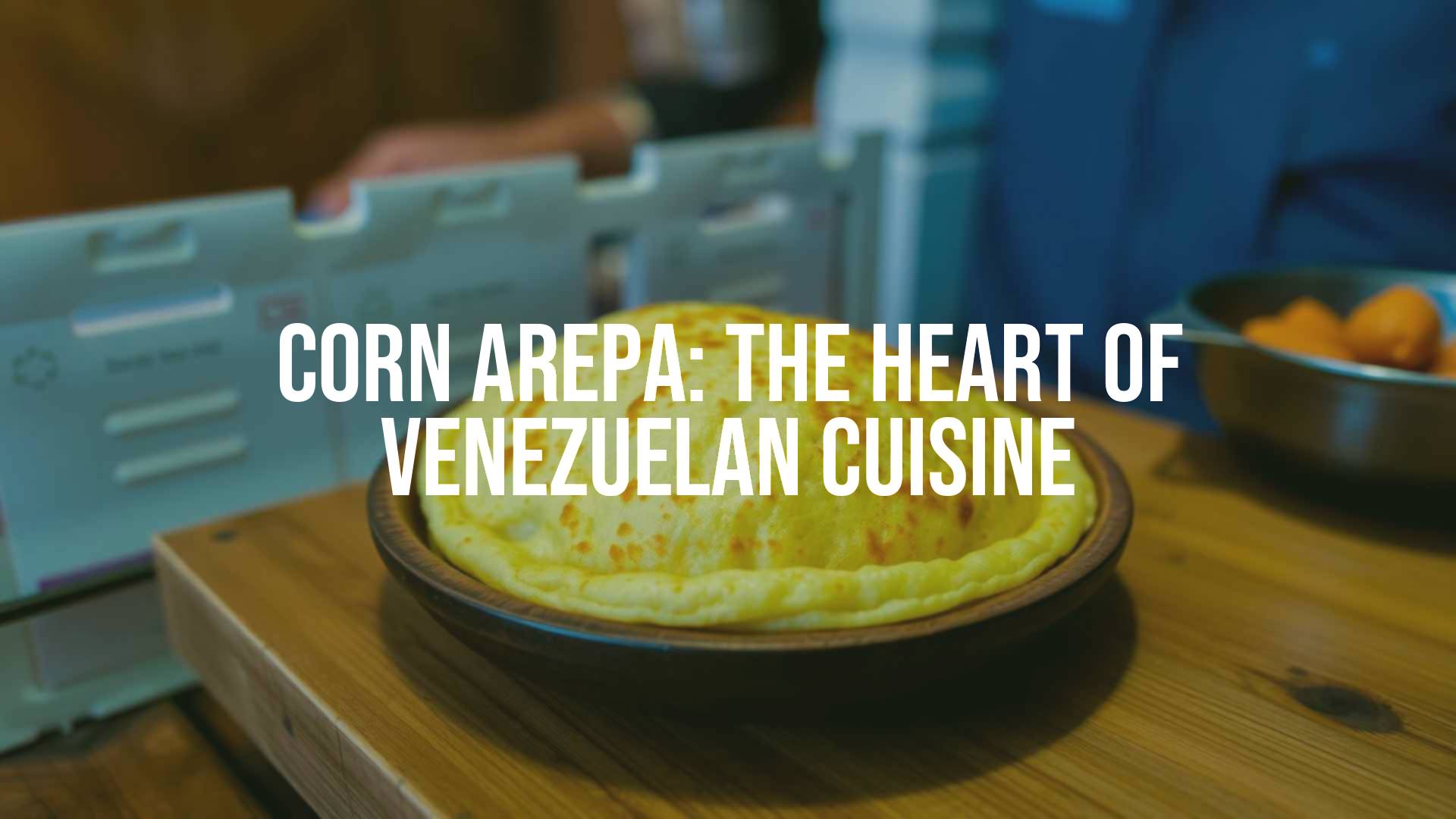
Corn Arepa: The Heart of Venezuelan Cuisine
What is a Corn Arepa?
The corn arepa stands as a culinary emblem of Venezuela: a round, golden patty made from ground maize that serves as both staple and canvas in countless homes. Simple in concept yet endless in variation, the arepa is beloved for its comforting taste, versatility, and fundamental role in daily Venezuelan life.
Rooted in Tradition
Tracing its origins to Venezuela’s indigenous peoples, the corn arepa has been a dietary cornerstone for centuries. Over time, it evolved from being cooked on clay griddles to the modern-day preparation using specialized pans. Its enduring popularity across all social classes underscores the unifying power and cultural pride attached to this humble food.
Components, Flavors, and Texture
Arepas are traditionally made with pre-cooked cornmeal (harina de maíz), water, and a touch of salt. The dough is shaped into discs, which are then grilled, baked, or fried. The result is a crisp exterior that yields to a soft, slightly chewy center, offering a mild corn flavor that pairs well with a vast array of fillings. Their neutral palate makes them ideal for both savory and sweet accompaniments.
Ways to Enjoy Arepas
One of the arepa’s greatest strengths is its adaptability. Often sliced open like a pocket, arepas can be stuffed with a diverse selection of fillings such as shredded beef (as in the famous “Reina Pepiada”), cheese, black beans, or avocado. They are enjoyed hot, fresh off the griddle, making them a favorite for breakfast, lunch, or dinner. Arepas also serve as a popular side to soups or grilled meats, and some prefer them plain with a dab of butter or cheese.
Varieties and Regional Twists
While the classic corn arepa is omnipresent, regional differences abound. In coastal regions, arepas may include coconut or be made smaller and thinner. In the Andes, arepas might be thicker and filled before cooking. Colombia, Venezuela’s neighbor, boasts its own arepa traditions, which differ notably—Colombian arepas are often plainer and served alongside hearty breakfasts.
Frequently Asked Questions
Is the arepa gluten-free? Yes, made from 100% cornmeal, the arepa is naturally gluten-free.
Can corn arepas be made ahead of time? While best fresh, arepas can be made ahead and reheated in a toaster or oven.
Are there sweet versions? Absolutely. Some variations incorporate sugar or sweet fillings for a delightful treat.
A Venezuelan Essential
From bustling Caracas streets to rural villages, the corn arepa remains deeply woven into the country’s fabric. It not only feeds, but connects people—carrying tradition and flavor from one generation to the next.
