

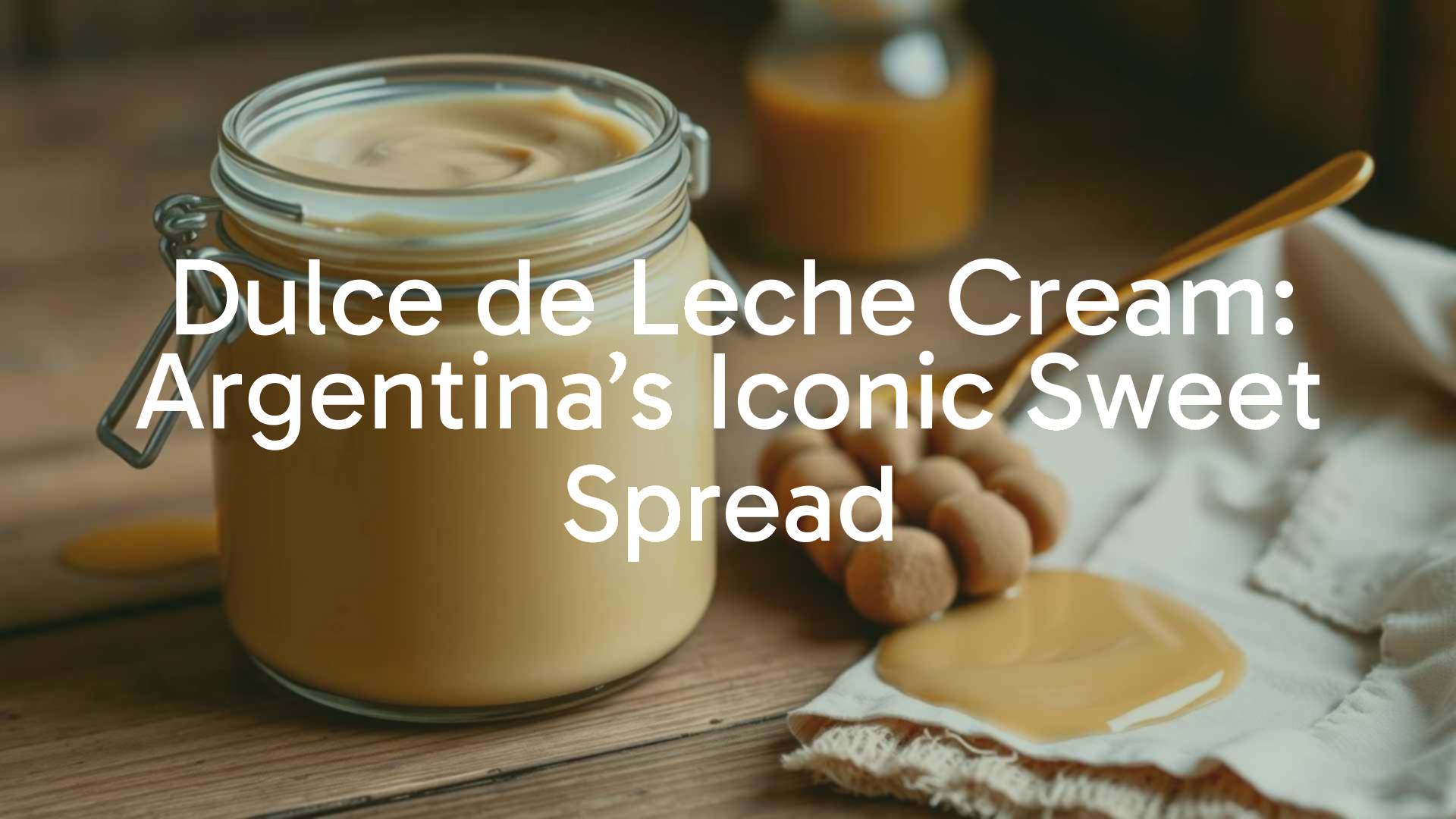
Discovering Argentinian Dulce de Leche Cream
Dulce de leche cream stands out as one of Argentina’s most beloved and emblematic sweet treats. Rich, smooth, and decadently caramelized, this spreadable confection is ingrained in the daily life and culinary traditions of Argentinians. Whether enjoyed on toast at breakfast, swirled into desserts, or as the heart of famous pastries, dulce de leche cream is synonymous with comfort and indulgence in Argentina.
What Makes Dulce de Leche Cream Unique?
Dulce de leche, literally translated as “sweet milk,” is a creamy caramel sauce made by slowly simmering milk and sugar until it transforms into a thick, glossy, golden-brown spread. Unlike standard caramels that rely solely on sugar, dulce de leche’s unique flavor profile comes from the complex chemical reactions between milk proteins and sugars during lengthy cooking, resulting in an irresistible blend of toffee, vanilla, and creamy notes.
Origins and Historical Roots
The precise origins of dulce de leche are subject to much folklore throughout Latin America, but in Argentina, it is more than just a sweet—it’s a point of national pride. Local legend claims the confection was first created in the early 19th century in the household of the Argentine statesman Juan Manuel de Rosas. Over time, it became a staple in pantries across the nation, celebrated annually on “Día del Dulce de Leche.”
Cultural Significance and Everyday Enjoyment
Dulce de leche cream holds a cherished place at Argentine tables. Children grow up relishing spoonfuls straight from the jar, while adults savor it with cheese, croissants, or as an accompaniment to afternoon mate. Its rich texture and versatile flavor also make it a star in countless desserts, from the classic alfajor sandwich cookies to luscious cakes like torta rogel and pionono rolls.
Regional Variations and Signature Styles
While the base ingredients—milk, sugar, and a touch of baking soda—are consistent across regions, there are subtle variations in consistency and taste throughout Argentina. Some versions are exceptionally thick and spreadable, ideal for filling pastries, while others are slightly runnier, perfect for drizzling over pancakes or ice cream. Certain regions, especially in the Pampas, add a hint of vanilla or even stir in coconut for local flair.
Interesting Facts and Common Questions
Is dulce de leche the same as caramel? While they share similarities, dulce de leche uses milk as a primary ingredient, resulting in a creamier, more complex flavor than standard caramel, which is made by melting sugar alone.
Can it be homemade? Absolutely! Many Argentine families have their own traditions for slowly simmering milk and sugar, watching over the process to ensure just the right degree of caramelization.
Where can you find it? Dulce de leche cream is ubiquitous in Argentina—available in supermarkets, corner stores, and bakeries. Its popularity has also helped it spread worldwide, where it graces dessert menus and specialty food shelves.
A Sweet Symbol of Argentina
Dulce de leche cream is more than just a spread; it’s a source of nostalgia and pride for Argentinians. Whether enjoyed in the simplest way or as part of elaborate confections, it continues to weave its sweetness through the stories and celebrations of Argentina’s people.
