

Understanding Fish Causa: A Peruvian Classic
Among Peru’s most celebrated culinary offerings, fish causa stands out with its striking visual appeal and unforgettable blend of flavors. A layered dish that captures the vibrancy of the Peruvian coast, fish causa beautifully integrates native ingredients and global influences, resulting in a dish both traditional and creative. Its inviting presentation and refreshing, balanced taste make it a favorite for locals and visitors alike.
The Essence and Elements of Fish Causa
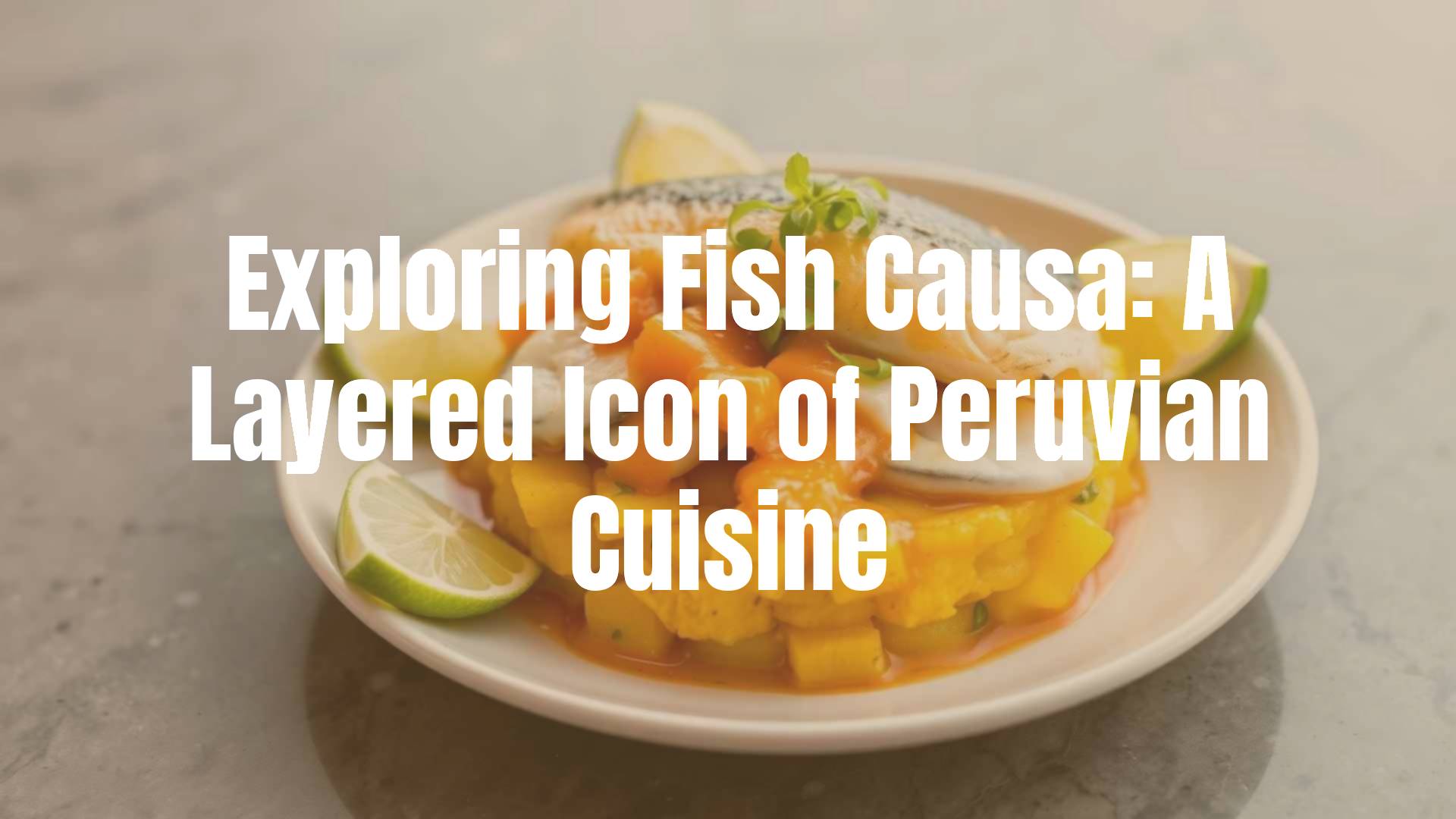
Fish causa is a cold starter, expertly assembled in elegant layers. At its core, it features mashed yellow Peruvian potatoes, which are known for their creamy texture and subtle sweetness. These potatoes are seasoned with lime juice, aji amarillo (Peruvian yellow chili pepper), salt, and oil, providing a mildly spicy and citrusy backdrop. The layers are then complemented by either fresh or cooked fish, making each version unique according to the choice of seafood. Fish can range from seared fillets to ceviche-style marinated pieces, offering options for every palate.
History and Origin
The roots of causa trace back to pre-Columbian times, where native potatoes and local chili peppers were dietary staples. The name “causa” is believed to come from the Quechua word “kausay,” which means “life” or “sustenance.” Over time, the addition of fish, particularly in coastal regions, gave rise to the popular fish causa variation we know today. With Peru’s rich access to the Pacific Ocean, coastal cities like Lima have made seafood-infused causas an iconic representation of their regional identity.
Cultural Importance of Causa in Peru
Fish causa is more than a starter; it is often part of festive celebrations, family gatherings, and special occasions. Its adaptability allows chefs and home cooks to create versions that reflect seasonal ingredients and local fish varieties. The dish not only showcases Peru’s agricultural bounty but also its inventive fusion of native ingredients with influences introduced through centuries of migration and exchange.
Distinctive Ingredients and Their Role
The stand-out components in fish causa are quintessentially Peruvian. Native yellow potatoes impart the dish’s characteristic color and flavor, while aji amarillo brings gentle heat and a distinct sunshine-hued vibrancy. Lime juice adds freshness, harmonizing with the subtle richness of the fish. Commonly, the dish is garnished with hard-boiled eggs, black olives, avocado slices, and sometimes a touch of mayonnaise or salsa criolla (onion relish), enhancing both visual and taste appeal.
Serving and Presentation Traditions
Fish causa is traditionally served chilled, making it a favorite during Peru’s warmer months. The dish is assembled in individual portions or as a shared platter, always highlighting its colorful strata. Whether shaped in a ring, a molded cylinder, or arranged more rustically, the layers are crafted to entice the eye and awaken the appetite, with garnishes contributing to both the look and the overall sensory experience.
Conclusion
Fish causa encapsulates Peruvian culinary tradition, its heritage, and its openness to innovation. It’s a vibrant, layered dish that exemplifies how Peru’s natural resources and history continue to inspire delicious creative expressions. Enjoying fish causa is not just about the flavors but partaking in a piece of Peru’s rich culture and coastal lifestyle.
