

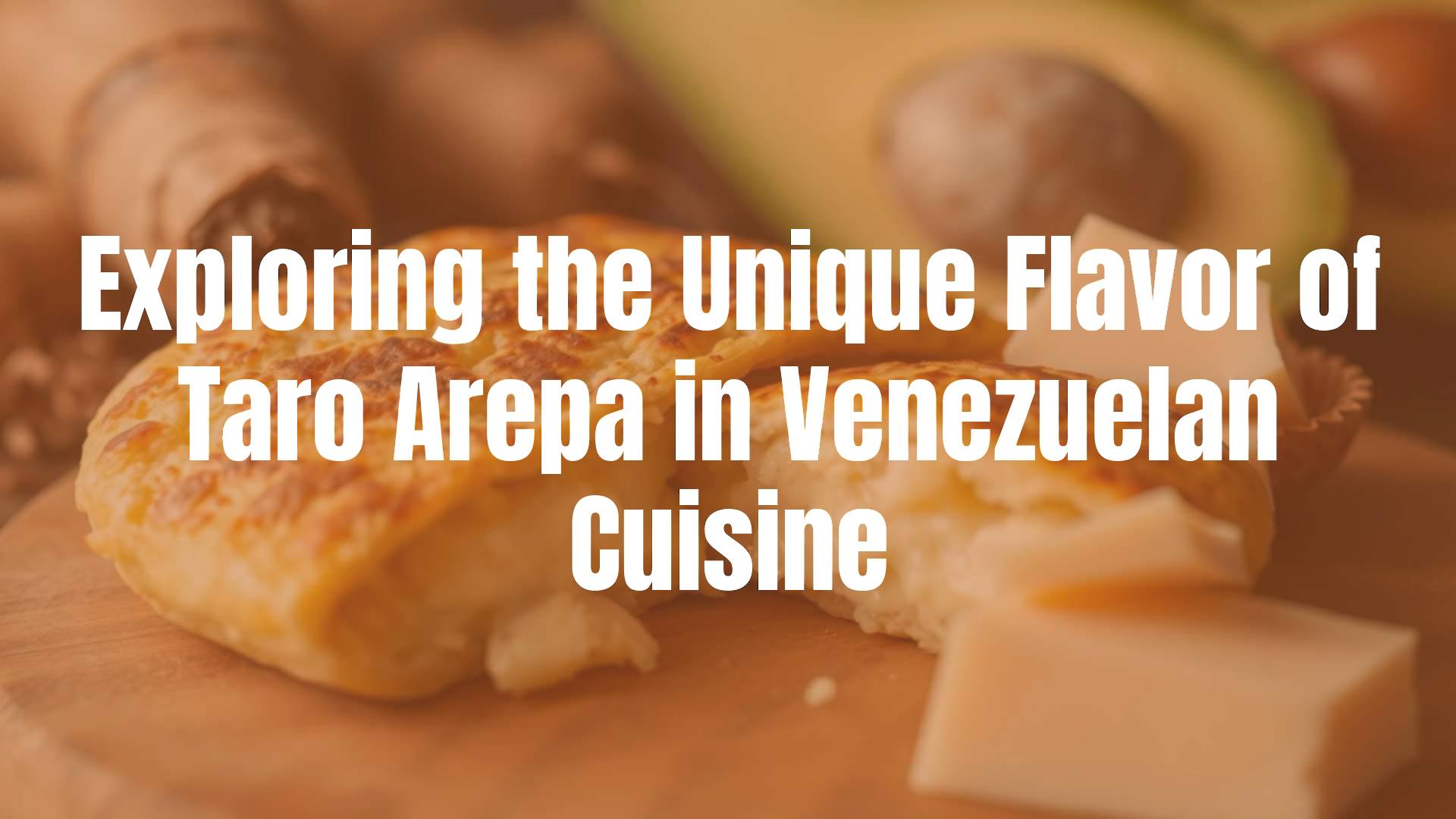
Taro Arepa: A Creative Twist on a Venezuelan Classic
What Is a Taro Arepa?
The taro arepa is a modern reinterpretation of Venezuela’s beloved arepa, swapping out the traditional cornmeal base for taro, a starchy root native to tropical regions. Infused with the subtle, slightly nutty flavors of taro, this version preserves the soul of the arepa while offering a satisfying new texture and taste experience. Popular among communities looking for gluten-free or innovative alternatives, the taro arepa blends Venezuelan heritage with culinary creativity.
Cultural Roots and Evolution
While the classic arepa traces its origins to indigenous Venezuelan diets, the taro arepa is a more recent evolution, reflecting the modernization and global influences on Venezuelan cuisine. Taro itself is not native to Venezuela, but culinary cross-pollination—through migration and food experimentation—has brought this root into the local diet. Today, the taro arepa is celebrated in trendy cafes and fusion restaurants, especially in cities with vibrant immigrant communities.
Key Ingredients and Distinctive Qualities
The heart of the taro arepa lies in its dough, made primarily from mashed taro root. This imparts a velvety, moist interior and a gently crisp crust once grilled or baked. Its pale lavender hue distinguishes it visually from the classic arepa. The flavor profile is subtly sweet and earthy, balancing perfectly with both savory and slightly sweet fillings.
How Taro Arepas Are Enjoyed
Taro arepas serve as a versatile canvas for a variety of fillings. They are frequently enjoyed stuffed with queso blanco (fresh white cheese), seasoned shredded chicken, or even vegan fillings like avocado salad. Accompaniments often include tangy sauces such as guasacaca (Venezuelan avocado salsa) or a dollop of homemade aioli. Whether as a hearty breakfast, a satisfying lunch, or a snack, the taro arepa fits seamlessly into the Venezuelan dining rhythm.
Common Pairings and Presentation
Taro arepas pair beautifully with tropical side dishes, such as fried plantains or fresh fruit juices. A cup of strong Venezuelan coffee or hot chocolate also complements their earthy notes. They are often served warm, either split and filled or topped with choice ingredients, and can be cut into wedges for sharing.
Regional Variations and Comparison to Classic Arepa
Unlike the corn-based arepa—which boasts diverse regional variants like the thin “arepa andina” or sweet “arepa de choclo”—the taro arepa is more of a novelty found in urban centers or gastronomic circles. Some cooks incorporate a blend of taro and cornmeal for a hybrid result, while others stick strictly to taro for a gluten-free option. Compared to its corn counterpart, the taro version is creamier and slightly denser, with a unique taste that sets it apart.
Frequently Asked Questions
Is the taro arepa traditional? While not traditional, it’s inspired by Venezuelan culinary traditions and reflects the adaptability of arepas.
Can it be made vegan or gluten-free? Yes, taro naturally contains no gluten, and plant-based fillings are common.
How does taro affect the flavor? Taro imparts a delicate sweetness and creaminess, making the arepa both familiar and surprising for those used to corn-based ones.
