

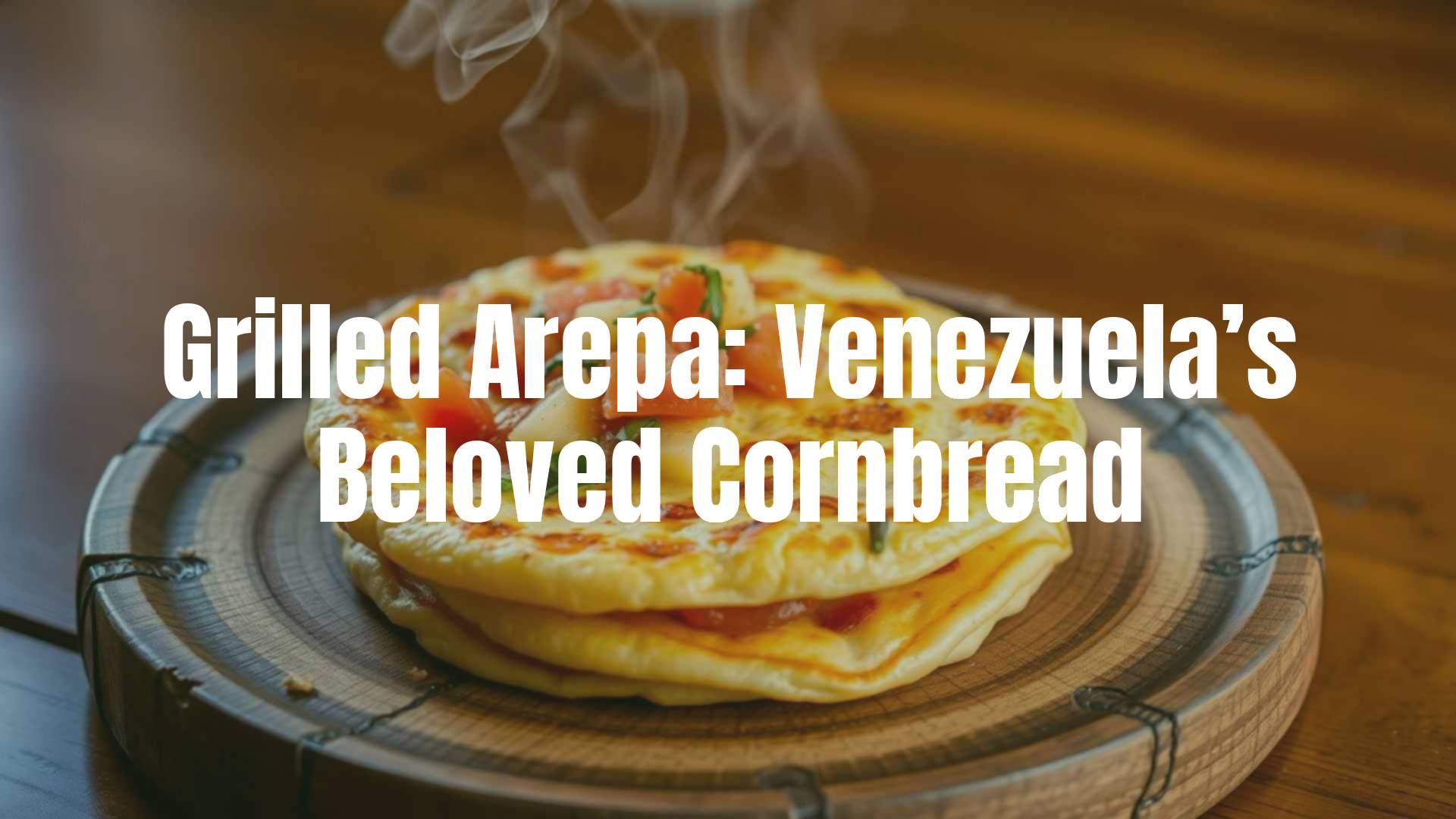
Grilled Arepa: The Heart of Venezuelan Street Food
The grilled arepa occupies a special place in Venezuelan daily life, considered more than just food—it’s a symbol of hospitality, creativity, and cultural pride. This iconic round bread, made from cornmeal, is crisp on the outside and soft within, often serving as a versatile vessel for a variety of delicious fillings. Whether enjoyed at a family breakfast or as part of a bustling street market meal, the grilled arepa is a cherished staple across Venezuela.
A Dish with Deep Roots
The origins of the arepa trace back to pre-Columbian times when indigenous peoples cultivated maize and created simple corn cakes over open flames. Over centuries, this humble bread evolved alongside Venezuelan society, becoming a culinary backbone. The grilling technique imparts a subtly smoky aroma and a golden, textured crust, distinct from its fried or baked cousins. Today, the grilled arepa is often regarded as the most traditional version, celebrating simplicity and ancestral flavors.
Distinct Ingredients and Satisfying Textures
At its core, a grilled arepa is made from precooked cornmeal (harina precocida), water, and a touch of salt—ingredients that turn into a soft dough and are then shaped into patties. When grilled on a budare (flat griddle), the arepa develops a crunchy shell while retaining a moist, tender interior. This contrast in textures is central to its widespread appeal, offering a satisfying bite with every mouthful.
How Grilled Arepa Is Served and Enjoyed
Grilled arepas are extraordinarily versatile. Once cooked, they can be split open and stuffed with a range of fillings: shredded beef (carne mechada), black beans and cheese (reina pepiada), creamy avocado chicken salad, or even simple butter. Some prefer them plain, as a side to stews or soups like “asopado” or “sancocho.” During breakfast, grilled arepas pair perfectly with fresh coffee; for dinner, they often accompany heartier dishes. The possibilities are as diverse as Venezuelan tastes themselves.
Regional Touches and Similar Breads
While the grilled arepa is enjoyed nationwide, regional variations abound. In coastal areas, seafood may be used as a filling, whereas the Andes might incorporate local cheeses or cured meats. Venezuelan arepas can be compared to Colombia’s arepas, though subtle differences in thickness and fillings are notable. Elsewhere in Latin America, similar corn breads exist, but the grilled Venezuelan arepa has a particular reputation for adaptability and flavor.
Frequently Asked Questions
Are grilled arepas gluten-free? Yes, as they are made from pure cornmeal, which contains no gluten.
How do grilled arepas differ from baked or fried arepas? Grilled arepas develop a smokier flavor and a firmer crust, whereas baked arepas are a bit lighter and fried ones are richer and crispier.
Can grilled arepas be made ahead of time? They are best enjoyed fresh off the griddle, but can be reheated or frozen and toasted to revive their texture.
In Summary
The grilled arepa is more than just an everyday bread—it’s a vibrant symbol of Venezuelan identity, adaptable enough to suit any meal, filling, or occasion. Whether eaten on its own or with a creative mix of toppings, the grilled arepa continues to bring people together, nourishing both body and soul.
