

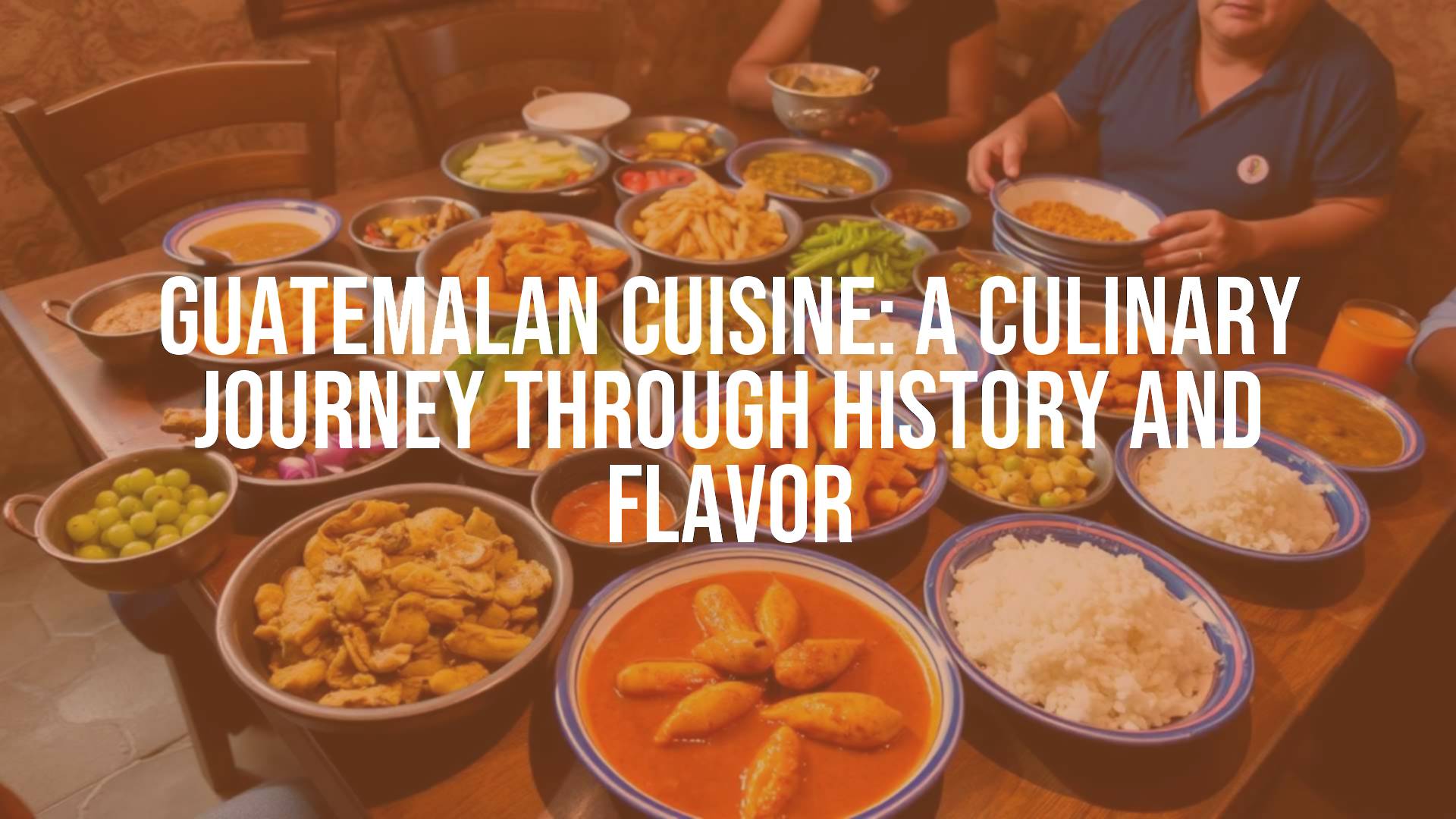
Guatemalan food is known for being lively, colorful, and full of flavor. Its roots go back to the ancient Maya, but the cuisine also combines Spanish and a bit of Afro-Caribbean influences. Many people are surprised when they taste Guatemalan dishes, as the food is different from better-known Mexican or other Central American cuisines. If you want to understand Guatemala’s culture or history, learning about its food is a great place to start.
Guatemalan cooking is more than just recipes-it tells the story of survival, mixing cultures, and making the most of what is available locally. It is a unique and often overlooked cuisine, filled with hearty stews, popular street snacks, and cherished traditional meals that reflect the lifestyle and history of its people.

Understanding Guatemalan Cuisine
Guatemalan food is a mix of indigenous Maya cooking and the flavors brought by Spanish colonists. Over time, these two influences have combined to make a cuisine that is both traditional and creative, using local ingredients and techniques. Recipes based on old Maya dishes have been changed and updated as new foods and ways of cooking were introduced by the Spanish.
Food traditions in Guatemala can change a lot from one region to another. A meal that’s common in one area might be rare elsewhere, which means there’s always something new to try no matter where you are in the country.
Important Flavors and Common Ingredients
Most Guatemalan meals use corn, chilies, and beans-these are the cornerstones of the local diet, going back thousands of years. Corn is especially important in daily life and even in Maya beliefs.
Other typical ingredients are potatoes, carrots, squash, chayote, onions, and tomatoes. Achiote (annatto) seeds give food a reddish color and a slightly bitter taste. Cilantro and mint are herbs that add fresh flavor. While avocados originated here, the creamy Hass variety is especially popular in Guatemalan dishes. In the past, Maya people used turkey, duck, and wild animals for meat. The Spanish, however, introduced pork, beef, and chicken-these meats are now widely used in Guatemalan cooking.

Mayan, Spanish, and Afro-Caribbean Roots
Mayan and Spanish cooking are the biggest influences in Guatemala. Before the Spanish arrived in the 1500s, the Maya relied on corn, beans, squash, and chilies, along with turkey, duck, and deer. They mostly boiled, steamed, or cooked food underground.
The Spanish brought animals like horses, pigs, cattle, chickens, and sheep, as well as wheat, barley, sugarcane, coffee, olive oil, and spices. They also taught locals new ways to cook, such as frying and baking in ovens.
Along the Atlantic coast, you’ll find Afro-Caribbean food, especially in places like Livingston or Rio Dulce, where the Garifuna people live. Here, coconut and seafood play a big part in the local diet.
How Guatemalan Food is Different from Mexican and Other Central American Cuisines
Though Guatemala shares some foods with nearby countries (like tamales and tostadas), its cooking is noticeable because of a few main differences. Guatemalan food is more mild-chilies give flavor, but not a lot of spiciness. Tortillas here are also smaller and thicker than Mexican ones.
Another difference is how mole sauce is used. In Mexico, mole is mainly used with meat, but in Guatemala it’s more likely found in sweets like Mole de Plátano. This shows how similar ingredients can be used in very different ways. Among Central American countries, Guatemala’s food still shows the most Mayan influence due to its large indigenous population. Others, like Costa Rica, lean more toward European foods because they have fewer indigenous people.
How Guatemalan Food Has Changed Over Time
Guatemalan food has changed and grown over many centuries. This story is told through new ingredients, new ways of cooking, and the combining of different cultures’ traditions. Each chapter-whether before the Spanish, during colonization, or now-has shaped what people eat today.
Mayan Origins and Traditions
Guatemalan food goes all the way back to 2000 BC, when the ancient Maya learned to grow food in villages. Corn, beans, squash, and chilies became basic foods. The Maya created a process called nixtamalization, where corn is soaked and cooked with lime to improve its nutrition. After that, they ground the corn into masa to make tortillas and tamales.
They also hunted deer, rabbits, turkeys, and even used reptiles for protein. Dishes were flavored with achiote and usually steamed, boiled, or cooked in pits below the ground.
Spanish Influence During Colonization
When the Spanish arrived in the 1500s, they brought many new foods from Europe, Africa, and Asia. This included animals and crops never seen before in the Americas, such as pigs, chickens, beef, sheep, wheat, bananas, sugarcane, olive oil, and coffee. Spaniards also showed new ways to fry and bake food. This mix of ingredients and cooking styles led to foods like empanadas and the use of sauce bases called recado, which are still popular today.
Modern Guatemalan Cooking
Today, Guatemalans keep many traditions alive but also add new things. Lunch is the main meal, often including stews, soups, or grilled meats with rice, salad, and tortillas. Dinner is lighter, with street foods being a common choice.
Urban fast-food chains exist, but homemade and traditional foods are preferred by many. Common cooking methods-like using a comal (a type of griddle) or wrapping food in leaves-are still based on old ways. Street food and cooking classes are now popular, helping keep these traditions going strong.
Staple Foods and Sides in Guatemala
Basic foods are the backbone of meals in Guatemala. Staples not only make up most of the diet, but they also show Guatemala’s farming roots. These foods add nutrition, flavor, and balance to every meal.
- Corn (especially as tortillas)
- Beans (mainly black beans)
- Rice
- Vegetables (often in salads or as sides)
Corn and Tortillas
Corn has been grown for thousands of years and is at the center of Guatemalan life. Tortillas-small, thick, and handmade from corn masa-are eaten with almost every meal. Making tortillas by hand, including nixtamalizing and grinding the corn, is a tradition passed from one generation to the next.
Rice Dishes
Rice is another key side dish in Guatemalan meals. Here are some common rice preparations:
| Rice Dish | Details |
|---|---|
| Arroz amarillo | Simple yellow rice |
| Arroz con vegetales | Rice with vegetables like corn, peas, carrots |
| Arroz con frijoles | Rice mixed with black beans |
| Arroz con pollo | Chicken and rice, similar to paella |
Beans
Beans, mostly black beans, are an everyday food in Guatemala. Often, they are cooked and mashed (frijoles volteados) and served at breakfast, lunch, or dinner. Some dishes feature beans as the main ingredient, such as red beans with pork (Frijoles Colorados con Carne de Cerdo).
Salads, Guacamole, and Vegetable Sides
Vegetables are often served fresh as salads or cooked as side dishes. Guatemalan guacamole is made with Hass avocados, onions, lime, mint, and cilantro. Pickled vegetable salads (ensalada en escabeche) and stuffed vegetables (like güicoyitos rellenos) are common. Radish salad (picado de rábano) and its version with chicharrón (Chojín) are also popular.
Classic Guatemalan Dishes
Guatemala is home to many famous dishes. These tell stories of history, pride, and community.
Pepián
Pepián is Guatemala’s national dish, a thick stew made from meat and vegetables, spiced with roasted chilies, sesame seeds, and tomatoes. The sauce is smooth and rich. Most often made with chicken, you can also find pork or beef versions. It is usually served over rice with corn tortillas and is a favorite for celebrations.

Jocón de Pollo
Jocón is a bright green chicken stew from the Huehuetenango region, made with tomatillos, green onions, green peppers, cilantro, and sometimes thickened with seeds or tortillas. It is served with rice or tortillas.
Kak’ik (Mayan Turkey Soup)
Kak’ik is a red turkey soup flavored with things like cinnamon, achiote, cilantro, and local chilies. The broth contains turkey (often a leg), and is usually served with steamed white tamales or rice.
Hilachas (Shredded Beef Stew)
Hilachas means “threads,” referring to the shredded beef in this dish. It’s simmered in a tomato sauce with potatoes and sometimes carrots or chayote. Served over rice with tortillas, it’s comforting and filling.
Chiles Rellenos
In Guatemala, chiles rellenos are typically sweet red bell peppers stuffed with ground meat and vegetables, dipped in egg batter, and fried. Served with a tomato sauce and sometimes eaten inside tortillas.
Fiambre (Day of the Dead Salad)
Fiambre is a special salad made for Día de los Muertos (November 1st), with each family having its own recipe. Ingredients often include many vegetables, cold cuts, eggs, cheeses, sausages, olives, and sometimes pickled items, mixed in a special dressing. It’s shared as a symbol of family and remembrance.
Tamales and Chuchitos
Tamales are corn dough filled with meats, sauces, or, sometimes, fruits and sweets, wrapped in leaves and steamed. Types of tamales include:
- Tamales Colorados (red with tomato and annatto)
- Tamales Negros (sweet, often with chocolate and fruits)
- Tamales de Elote (made from sweet corn, no meat)
- Paches (made from potato dough, usually eaten on Thursdays)
Chuchitos are smaller tamales, firmer, and wrapped in corn husks, usually filled with chicken or pork and recado sauce.
Enchiladas and Tostadas
Guatemalan enchiladas are crispy tortillas topped with meat, beet salad, cheese, egg, lettuce, and onions-open-faced, not rolled. Tostadas are fried tortillas topped with beans, guacamole, or salsa with cheese, onions, or cilantro, and a squeeze of lime.
Churrasco (Grilled Meats)
Churrasco refers to grilled or barbecued steak, served with rice, beans, fried plantains, and guacamole for a full meal.
Other Notable Regional Dishes
- Tapado: Seafood soup with coconut on the Caribbean coast
- Subanik: Maya chili stew with mixed meats
- Caldo de res/pollo: Nourishing soups with beef or chicken and chunks of vegetables
- Revolcado: Stew made from pig’s head and organs with tomatoes and chilies
- Puchon-ik and Tukun-ik: Local soups from San Juan
- Frijoles Blancos con Espinazo: White beans and pork spine
- Piloyada Antigueña: Bean and pork dish from Antigua
Typical Guatemalan Breakfast
Breakfast in Guatemala is big and hearty, meant to fuel the day. The traditional breakfast, called Desayuno Chapín, is simple and filling.
Main Parts of Desayuno Chapín
- Eggs (fried or scrambled)
- Refried black beans
- Fresh white cheese
- Fried sweet plantains
- Corn tortillas or bread
- Avocado and tomato slices (often added)
- Coffee, usually served with the meal

Tortillas, Beans, and Plantains
These three foods are found on almost every breakfast plate. Tortillas are used to scoop up the beans and eggs; beans are usually made creamy and rich; and sweet plantains are fried and add a sweet touch.
Egg Dishes
Eggs can be cooked however you like-sunny side up (huevos estrellados), scrambled, or sometimes with tomatoes and onions. Huevos Rancheros (fried eggs with salsa) are also popular, as well as serving eggs with spicy sauce or alongside sausage or sour cream.
Street Food and Snacks in Guatemala
Street food is a big part of life in Guatemala. It is convenient, tasty, and affordable-offering a way to try the real flavors eaten every day.
Shucos (Street Hot Dogs)
“Shucos,” meaning “dirty,” are Guatemalan-style hot dogs. Served in a toasted bun, these hot dogs come piled with toppings like guacamole, cabbage (repollo), meats such as sausage or chorizo, and sauces (mayonnaise, ketchup, mustard, or even local chimichurri).

Tostadas, Dobladas, and Pupusas
- Tostadas: Fried tortillas topped with spreads like beans, avocado, or salsa, then garnished with cheese and onions.
- Dobladas: Fried tortilla pockets filled with meats and covered with various toppings.
- Pupusas: Stuffed corn or rice flour flatbreads, imported from El Salvador but now enjoyed in Guatemala too, filled with cheese, meat, beans, or vegetables.
Empanadas and Rellenitos
Empanadas are pastry turnovers, stuffed with meat, potato, or sweet fillings like pineapple. Rellenitos de plátano are deep-fried plantain balls filled with sweetened black beans, sometimes with chocolate, and dusted with cinnamon sugar.
Other Common Snacks
- Chicharrones y carnitas (fried pork skins and meat)
- Yuca con chicharrón (cassava root with pork)
- Tacos (meat-filled fried tortillas)
Seasonal Snacks
During certain times of the year, seasonal treats appear-like sweet tamales (Tamales Negros) at Christmas or buñuelos (fried dough balls with syrup) at holidays and festivals.
Desserts and Sweets from Guatemala
Guatemalan desserts are full of interesting flavors, often using local fruits and corn. They are a special treat after a meal or anytime a sweet craving strikes.
Rellenitos de Plátano
These are sweet plantain balls stuffed with sweet beans and sometimes chocolate, fried, and then sprinkled with cinnamon sugar.
Mole de Plátano
Fried plantain slices are covered in a warm, thick chocolate, seed, and chili sauce. While “mole” is usually savory in Mexico, in Guatemala, it is often a dessert.
Buñuelos and Other Festive Sweets
Buñuelos are light dough balls fried and soaked in spiced syrup. Other treats include torrejas and molletes-bread or brioche fried and drenched in syrup, or custard-filled versions for special occasions.
Candied Fruits and Sweets
- Ayote en dulce (squash in syrup)
- Jocotes en miel (hog plums in syrup)
- Canillitas de leche (milk fudge candies)
- Maleta de higos (crystallized figs)
- Cocadas (coconut cookies or candies)
- Pastel borracho (rum cake), chancletas (sweet chayote), and arroz con leche (rice pudding)
Common Drinks in Guatemala
Traditional Guatemalan drinks range from hot, sweet corn-based drinks to fresh fruit juices and strong coffee. They play an everyday role in meals and social life.
Hot Drinks
- Atole de elote: A thick, warm drink made from sweet corn, milk, sugar, and cinnamon
- Ponche de frutas: Hot fruit punch served during celebrations, especially Christmas
Cold Drinks and Juices
- Licuados: Fruit smoothies with either milk or water
- Agua de tamarindo: Sweet/tart drink made from tamarind fruit
- Rosa de Jamaica: Chilled hibiscus tea with a red color and a tangy taste
- Horchata: Creamy rice beverage with cinnamon and sometimes seeds or nuts
Coffee and Cacao
Guatemala is famous for its high-quality coffee, grown in places like Antigua and Lake Atitlan. Although cocoa (cacao) is not grown as much as before, chocolate drinks can still be found, and cocoa workshops are popular among visitors.
Alcoholic Beverages
- Gallo, Victoria, Dorada, Brahva, and Cabro are popular local beers.
- Zacapa Centenario: Premium local rum made from cane sugar.
- Quetzalteca: Strong spirit also made from cane, with flavored options.
- Michelada: Beer mixed with tomato or clamato juice and lime.
Special Holiday and Festive Dishes
Food is central to Guatemalan holidays and celebrations. Some dishes are only made for special occasions, bringing families together and keeping cultural traditions alive.
Fiambre for Día de los Muertos
Fiambre is made for All Saints’ Day and is a big, cold salad with many ingredients. It’s often prepared the night before, and every family has its own version. Fiambre is brought to cemeteries or shared at home to honor loved ones who have passed.
Christmas, Holy Week, and Independence Day
- Christmas: Red and black tamales, ponche de frutas, and other rich foods are served, especially on Christmas Eve.
- Semana Santa (Holy Week): Fish dishes and vegetarian options are common due to religious fasting. Sweets like pineapple empanadas and ayote en miel are also enjoyed.
- Independence Day (September 15): Many typical Guatemalan foods, including tamales and stews, are made for national celebrations.
Regional Festivals and Mayan Customs
- Kak’ik: Served at special events in Q’eqchi’ Maya areas.
- Paches: Potato tamales are traditionally eaten on Thursdays.
- Subanik: Prepared for big celebrations by Kaqchikel Maya communities.
Common Questions about Guatemalan Food
What are the main ingredients?
Corn, chilies, and black beans are most common. Other basics are potatoes, carrots, chayote, onion, tomato, annatto, and meats like chicken, pork, and beef. Fresh herbs-especially cilantro and mint-add fresh taste.
Are pupusas Guatemalan or Salvadoran?
Pupusas come from El Salvador. You’ll find them in Guatemala, but they’re not originally a Guatemalan food. They are stuffed flatbreads made with corn or rice flour.
Is Guatemalan food hot and spicy?
No, Guatemalan food is usually not very spicy. Chilies are used for taste, not for heat. If you want spiciness, most places have chili sauces or chopped chilies available.
Can vegetarians eat Guatemalan food?
Yes, vegetarians have options. Many base foods are vegetarian, such as beans, rice, tortillas, and vegetable-based salads or soups. Some dishes may include meat or meat broths, so it’s best to ask before ordering. Street snacks like tostadas and plantains are usually vegetarian too, and locally grown produce is plentiful.
