

What Is Guatemalan Fiambre?
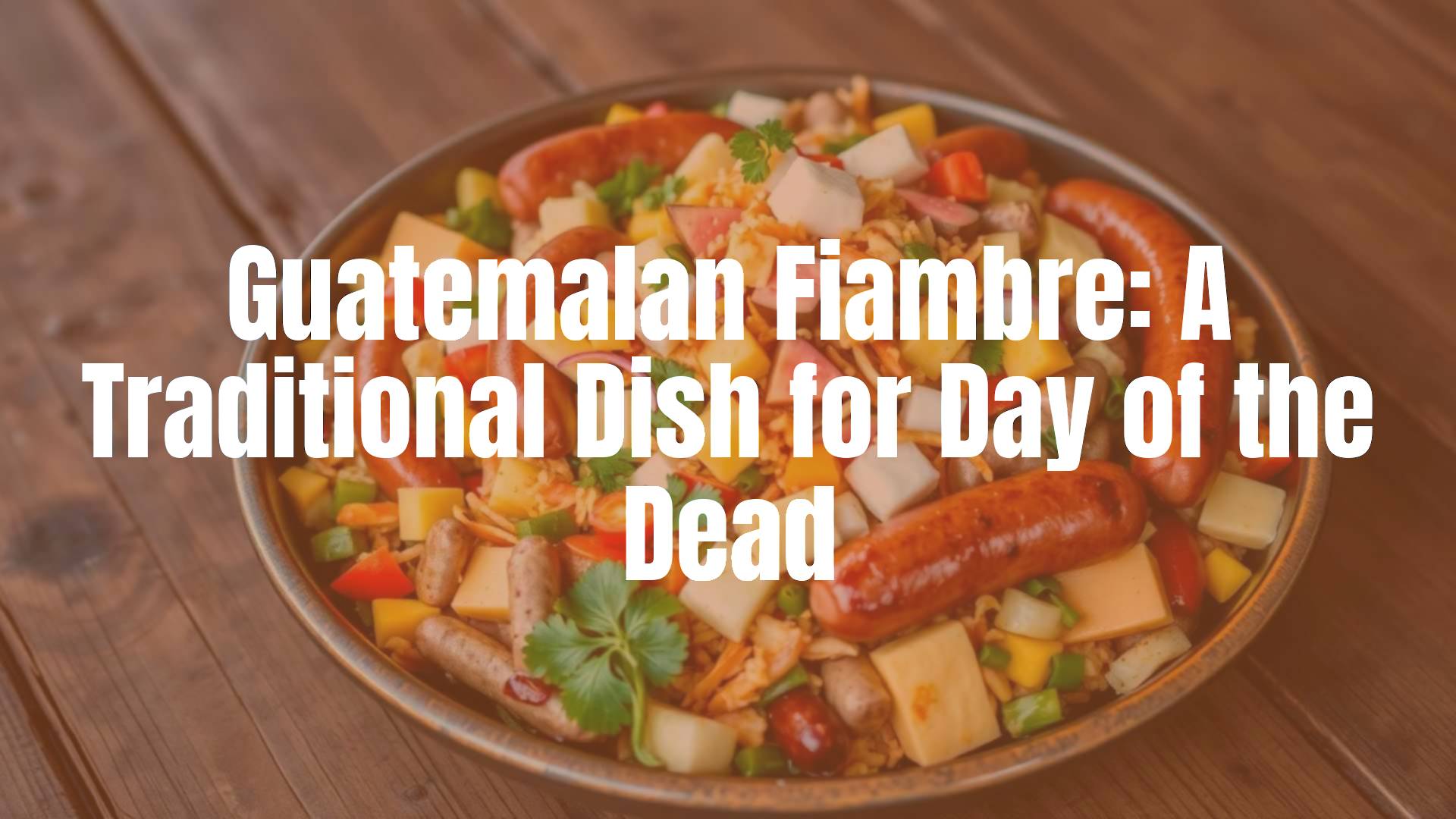
Guatemalan fiambre is much more than just a salad-it’s a large, colorful cold salad that many call the “mother of all salads.” It is a traditional dish from Guatemala with a huge number of ingredients, ranging from about 40 to over 100. Fiambre includes cooked vegetables, a variety of sausages and cold cuts, cheeses, and a special tangy dressing called caldillo. All the ingredients are mixed and served cold, making the dish full of flavor. Fiambre is an important part of Guatemalan culture and brings families together, showing the creativity and history of the nation through food.
Although it is called a salad, fiambre stands out because of how complicated and rich it is. It is not a simple side dish, but rather the central dish at gatherings-a meal to celebrate with. Each ingredient adds a different texture and taste, making every bite special. Preparing fiambre takes days, and making it is often an activity for the whole family, turning it into a dish made with time and care.

Origins and Importance to Guatemalan Culture
Fiambre is closely connected to Guatemalan traditions, especially the celebrations of Día de los Muertos (Day of the Dead, November 2nd) and Día de Todos los Santos (All Saints’ Day, November 1st). The dish started as families brought foods that their loved ones enjoyed to cemeteries. As people shared and mixed these foods, they slowly created fiambre as one large, mixed salad.
Fiambre shows the mix of native Guatemalan and Spanish influences in the country’s food. Fresh vegetables in fiambre link back to old, pre-Hispanic times. Ingredients like sausages, olives, capers, and certain dressings were brought by the Spanish, some influenced by Arab cooking. Fiambre is, in many ways, a story of Guatemala’s history and a symbol of remembering the past as a community.

Why Do People Eat Fiambre on Día de los Muertos and All Saints’ Day?
Fiambre has a special place during Día de Todos los Santos and Día de los Muertos in Guatemala. These days are for remembering and honoring people who have passed away. The original practice of bringing favorite foods to cemeteries was a way to feel close to loved ones who had died. Over time, this led to families combining dishes and creating fiambre together, making it a unique way to remember and celebrate those who are gone.
Only Guatemala celebrates with fiambre. While many Latin American countries observe All Saints’ Day, fiambre is a dish unique to Guatemalan tables on November 1st. Even though cemetery visits are usually on November 2nd, fiambre is mostly enjoyed with family on All Saints’ Day, highlighting its place in Guatemalan spiritual traditions.
Family Traditions and Sharing the Dish
Making and eating fiambre is a big family event. Since the preparation takes several days, relatives work together, chopping, cooking, and putting everything together. Recipes are often passed down through generations, and each family might have its own version of fiambre. This teamwork creates not only the meal but also lasting memories.
Fiambre is an excuse to visit and share with other families too. Traditionally, people shared fiambre at cemeteries, but today it is more common to enjoy it at home with close friends and family. This custom of sharing brings people together, and after the main meal, it’s common to enjoy Guatemalan desserts like molletes, garbanzos en miel, Dulce de Ayote, or Jocotes en Miel.
Main Types of Guatemalan Fiambre
Even though there are many versions, fiambre usually falls into a few main types, depending on key ingredients like beets. Each type has a different taste and appearance, but all are about mixing many ingredients in a cold salad. Families often make changes based on what they like or what is available, so no two fiambres are exactly the same.
There’s also a version called Fiambre Desarmado, or “decomposed fiambre,” where each ingredient is served separately. Diners can build their own plates, letting each person choose their favorite parts. This shows how flexible fiambre can be, fitting different tastes and traditions.
Fiambre Rojo: The Red Version
Fiambre Rojo (Red Fiambre) is perhaps the most recognized type, known for its bright red color from cooked beets. The beets give both a unique sweetness and the salad’s signature color. Families often see fiambre rojo as the most traditional version, and the beets help tie together the tastes of meat, cheese, and dressing throughout the dish.
Usually, the beets are cooked on their own, and their red juice is used in the dressing (caldillo). This type of fiambre stands out right away and is often chosen for its good looks and flavor.
Fiambre Blanco: The White Version
Fiambre Blanco (White Fiambre) is different because it does not include beets, making it lighter in both color and flavor. Without beets, the tastes of the vegetables, meats, and cheeses come through more clearly, and the salad is usually a bit sweeter and more delicate.
This version is perfect for people who don’t like the earthy flavor of beets. It still has many of the same ingredients as the red version but has a different balance of flavor and appearance. It’s a good example of how fiambre can be easily adapted while keeping its spirit.

Fiambre Verde: The Vegetarian Option
Fiambre Verde (Green Fiambre) is a vegetarian option, leaving out all the meats and focusing on vegetables, beans, and sometimes plant-based proteins. This type is great for vegetarians or anyone looking for a lighter version of the dish. The vegetables in this fiambre are often even more varied, making it colorful and tasty even without meat.
Even without meat, Fiambre Verde stays true to the original idea-a mix of many ingredients with the special marinated taste from the caldillo. It’s another example of how fiambre can be adjusted for different needs while keeping its rich, mixed nature.
Common Ingredients in Fiambre
Fiambre is famous for its long list of ingredients. The large variety is what gives the salad its special taste and feel. Each ingredient, from fresh vegetables to cured meats, adds something different to the dish. The step-by-step preparation is important, as each part is cooked and cooled before coming together at the end.

Vegetables
- Asparagus
- Beets (for Fiambre Rojo)
- Carrots
- Green beans
- Cauliflower
- Cabbage
- Brussels sprouts
- Corn, green peas, fava beans
- Chickpeas, red beans, white beans
- Pickled baby corn, baby onions
- Capers
- Green and black olives, pimentos
- Pacayas (edible palm flower)
- Heart of palm
- Lettuce (used as a base or garnish)
Meats and Proteins (Traditional Versions)
- Butifarra (Guatemalan sausage)
- Chorizo Colorado (red chorizo)
- Black and yellow chorizo
- Longaniza (sausage with mint and chile, or Italian sausage as a substitute)
- Cecina (smoked and salted beef)
- Ham, mortadella, salami, hot dogs
- Cooked chicken
- Sometimes salted cow tongue or even seafood like fish, anchovies, or shrimp in family or regional recipes
Cheeses, Eggs, and Pickled Items
- Strips of yellow or American cheese
- Queso fresco (fresh soft cheese)
- Zacapa cheese or Parmesan
- Hard-boiled eggs (often sliced or wedged as garnish)
- Pickled baby corn, baby onions, capers, olives
Caldillo (Dressing/Marinade) Ingredients
- White or champagne vinegar
- Olive oil
- Parsley, bay leaf, thyme, oregano, nutmeg
- Mustard (usually dark or grainy)
- Worcestershire sauce
- Salt, pepper, honey (optional for balance)
- Chicken broth (sometimes)
How to Prepare Guatemalan Fiambre
Making fiambre is a big job and usually needs several days and help from the whole family. The process is long, but planning ahead makes it manageable. Each part is cooked and cooled separately, then brought together in the final dish.
Typical Timeline
- Day 1: Cook vegetables and meats separately, chill them.
- Day 2: Prepare caldillo dressing, mix everything together, and let marinate in the fridge overnight.
Assembly Steps
- Line a large platter with lettuce leaves.
- Layer the vegetable mixture, then add the chopped meats and cheeses.
- Repeat layers as needed.
- Decorate the top with colorful garnishes like pimentos, asparagus, baby corn, olives, hard-boiled eggs, and fancy-cut vegetables or cheese.
- Drizzle remaining caldillo over the top before serving.
Safe Food Storage Tips
- Always chill ingredients quickly after cooking.
- Store meats, cheeses, and vegetables separately in airtight containers until assembly time.
- Keep everything in the fridge at all times, as fiambre is eaten cold and is often kept for several days.
- Use clean hands and utensils to prevent mixing bacteria among ingredients.
Serving and Presentation
Fiambre is usually served as the centerpiece of the table for special family get-togethers. Its appearance matters almost as much as its taste. All the colors and textures are arranged to look as attractive as possible on a large platter. This creates a welcoming, festive atmosphere and shows the effort put into making it.
Serving Traditions
- Fiambre is always served cold.
- It comes to the table on a large platter covered in lettuce.
- People serve themselves portions from the central platter, making for a relaxed, shared meal.
- Extra dressing is often added to each serving.
Presentation for Special Occasions
- Arrange vegetables and garnishes into eye-catching patterns or designs-radish roses, pimentos, asparagus spears, and eggs are common.
- Cheese can be sliced into decorative shapes for added appeal.
- Families sometimes use specific designs for holidays or to include children in the preparation.

Frequently Asked Questions About Fiambre
Fiambre can seem complicated, so people often have questions about making it, its nutrition, and ingredient substitutions. Here are a few common questions:
Can You Make Fiambre Ahead of Time?
Yes, making fiambre in advance is important. All the vegetables and meats should be cooked at least two days before eating. Mixing everything with the dressing the day before lets the flavors combine and improves the dish. This makes fiambre a good choice for big family events since most of the cooking and prep are done in advance.
Is Fiambre Healthy?
Fiambre has a lot of vegetables, beans, and sometimes lean proteins, so it provides vitamins, fiber, and minerals. But cured meats and cheeses can be high in salt and fat, and the dressing might add more fat and sugar. Because fiambre is rich and filling, people treat it as a special-occasion food, not something to eat every day. It’s best to enjoy it as part of a varied diet and look forward to its special place during family or cultural events.
What Can I Use Instead of Hard-to-Find Ingredients?
- If you can’t find pacayas, you can leave them out or use canned versions.
- Guatemalan sausages like butifarra and longaniza can be replaced with Italian sausage or chorizo, knowing the taste will change slightly.
- For rare vegetables or cheeses, just use local versions available to you, like different types of beans or olives.
The most important thing is to create a mix of many flavors and textures, even if substitutions are made based on what you have. Fiambre is about sharing, variety, and tradition.
