

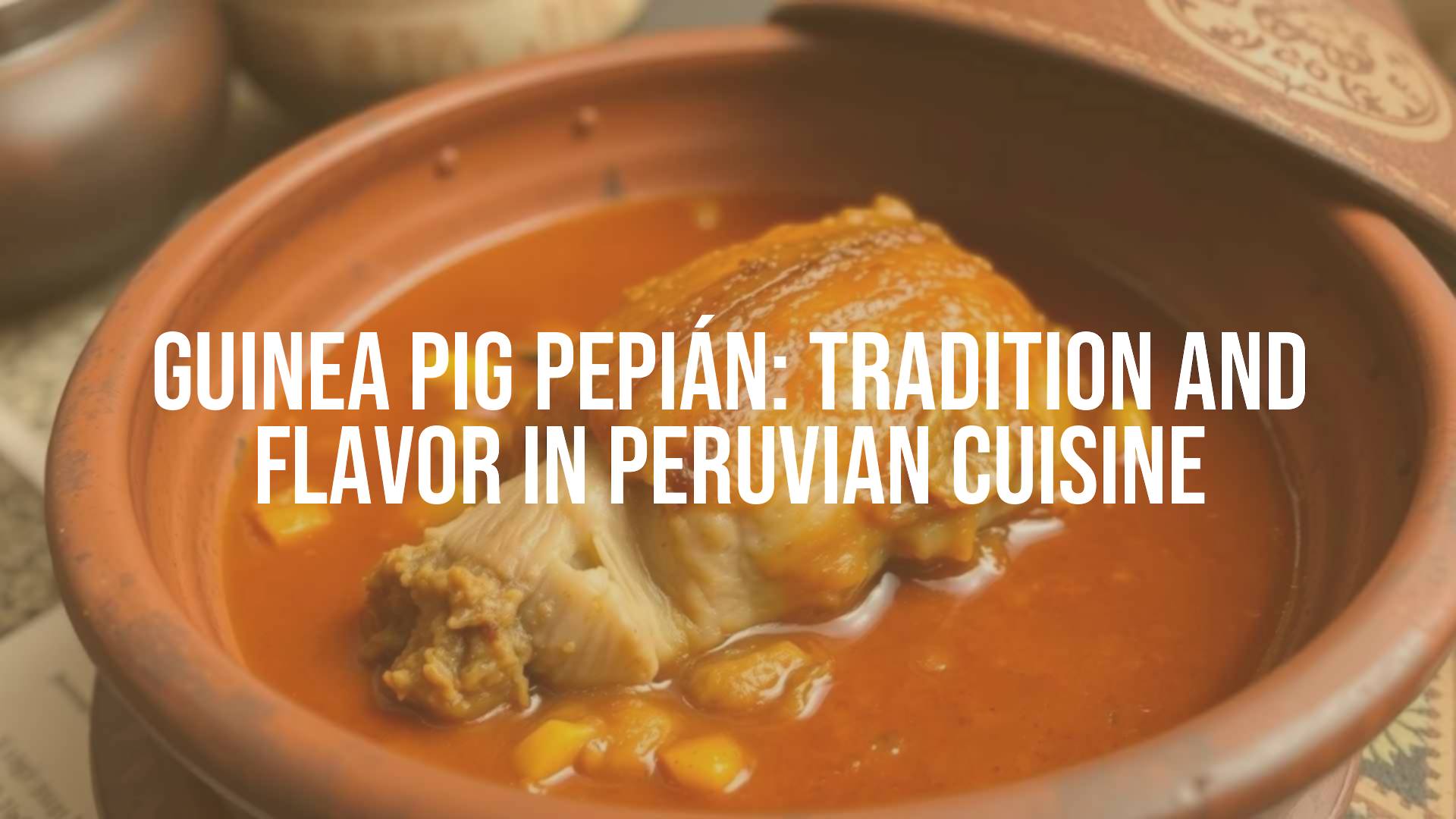
Guinea Pig Pepián: Tradition and Flavor in Peruvian Cuisine
Understanding Guinea Pig Pepián
Guinea pig pepián—known locally as “pepián de cuy”—is a distinctive Peruvian stew combining the revered Andean guinea pig with the rich, comforting textures of maize-based sauces. This robust dish blends centuries-old native ingredients with creative local techniques, offering a flavor profile and visual appeal that are uniquely Peruvian.
A Taste of Peruvian Heritage
The dish is deeply rooted in Andean history, where the guinea pig (cuy) has been a dietary staple since pre-Columbian times. Pepián, a type of thick, spiced stew, came later, drawing influence from Spanish colonial kitchens and local traditions. What sets guinea pig pepián apart is this fusion: ancient protein and maize converge in a celebration of regional palate.
Key Ingredients and Distinguishing Features
The star ingredient—cuy—is traditionally slow-cooked, often fried before being added to the stew, which infuses the dish with deep flavor and a slightly crispy texture. The sauce relies on Peruvian yellow corn or maize, lending creaminess and a subtle sweetness, and is enriched with aromatic staples like onion, garlic, and aji amarillo (a bright yellow chili pepper that adds gentle heat and color). Fresh cilantro, ground peanuts, and sometimes local Andean herbs round out the composition, creating a hearty, aromatic base.
Visual Presentation and Traditional Serving
Pepián de cuy stands out visually for its golden-yellow hue, speckled with herbs and tender pieces of guinea pig. The stew is often served in rustic earthenware, accompanied by white rice, boiled potatoes, or even choclo (the giant-kernel Peruvian corn), emphasizing its connections to Andean agricultural traditions. The combination of these elements on a single plate is as inviting visually as it is enticing to the senses.
Cultural Significance and Regional Connections
Guinea pig pepián is more than a dish—it is a symbol of celebration and cultural continuity, especially in Peru’s Andean regions such as Cusco and Ayacucho. Traditionally reserved for festive occasions, family gatherings, and local fiestas, the dish represents hospitality and reverence for the country’s diverse agricultural bounty. Each region may introduce its own subtle flavor twists, such as variations in herbs or spice levels, but the essential character of pepián de cuy remains uncompromised.
The Enduring Legacy of Pepián de Cuy
Today, guinea pig pepián remains a proud emblem of Peruvian culinary creativity and tradition. Its unique blend of indigenous and Spanish influences, reliance on local crops, and emphasis on communal dining make it a culinary experience that tells a story far beyond the sum of its ingredients. Whether enjoyed at a family table or in a festive community setting, guinea pig pepián continues to honor Peru’s past while delighting modern palates.
