

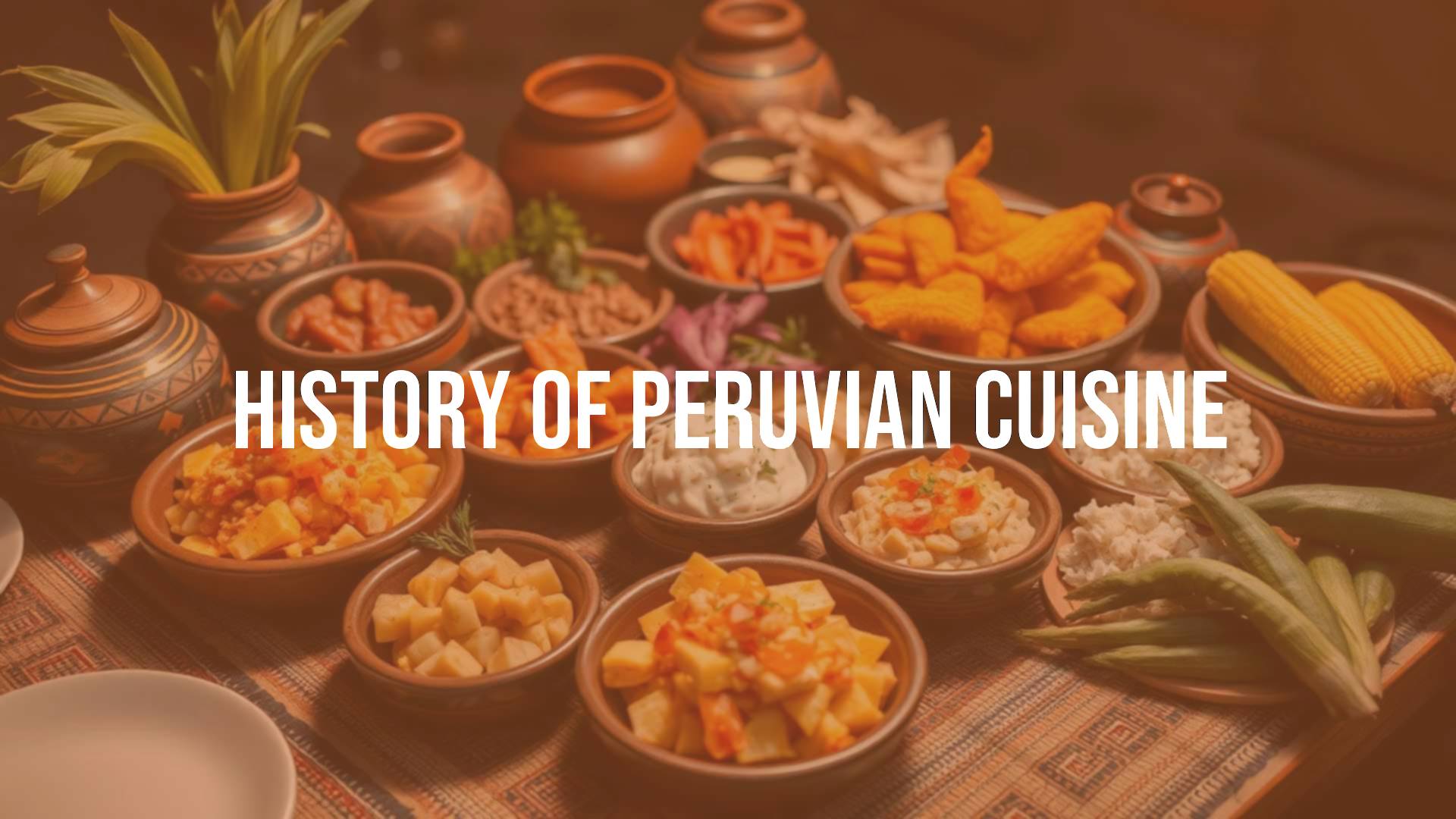
Peruvian cuisine is much more than just something to eat-it is a marker of the country’s long and varied past. The story of Peruvian food starts with its earliest residents and keeps changing as new cultures mix and share. What really sets this food apart is how well it takes in outside influences from Europe, Asia, and Africa, and mixes them with native foods and ways of cooking. Over hundreds of years, this blending has created a food culture that is now well-known around the world for its great taste, huge variety, and interesting textures. The story of Peruvian food is still being written as more and more people discover and celebrate its unique dishes.
From Ancient Beginnings to International Recognition
Main Influences on Peruvian Cooking
Peru’s food traditions are shaped by many different groups and historic events. The country’s earliest dishes come from native Andean and Amazonian people, who developed crops like potatoes and corn and learned how to farm even in tough landscapes. Their foods make up the base of Peruvian cooking.
When the Spanish arrived in the 1500s, they brought new foods, farm animals, and cooking methods. These mixed with native traditions to form Creole (or “mestizo”) cuisine. Later, people arriving from Africa, China, Japan, and other parts of Europe also changed Peruvian food in their own ways. African cooks brought frying and creative ways to use less-popular ingredients. Chinese immigrants added stir-frying and used new seasonings. Japanese arrivals focused on seafood and precision, leading to “Nikkei” cuisine. Other Europeans, such as Italians and French, contributed pasta, pastries, and other baked goods. All these influences together make Peruvian food a successful example of how different cultures can come together in the kitchen.

How Peruvian Food Has Changed Overtime
Peru’s food has grown and changed just like its history. Long before outsiders came, people like the Moche and Inca grew potatoes, corn, quinoa, and more. They developed smart ways to farm and store food.
The Spanish conquest in the 1500s marked a big change. The Spanish took over and brought in beef, pork, chicken, rice, and wheat. Their cooking styles, like frying, mixed with native techniques. For a long time, Spanish-inspired recipes were most valued, but native traditions survived, especially in the countryside.
In the 1800s and 1900s, a wave of immigrants from Africa, China, and Japan brought even more ideas and flavors. Africans introduced new ways of cooking cheap or leftover foods. Chinese traditions like stir-frying and using soy sauce became part of “Chifa” cuisine. Japanese arrivals helped make ceviche more delicate and started “Nikkei” cuisine. From the 1970s and particularly the 21st century forward, there has been a new pride in local ingredients, and Peruvian chefs have gained worldwide praise for their inventive approach to food.
Indigenous Traditions and Pre-Columbian Foods
Key Ingredients Before Europeans Arrived
Thousands of years ago, Peru’s ancient people developed a rich range of foods that reflected their local environments. The potato was most important-ancient Peruvians grew hundreds of types, and today there are over 4,000 varieties from the region. Corn (maize) was another staple, used in meals and in drinks like chicha. Andean grains like quinoa, kañiwa, and kiwicha provided extra nutrients. Beans, lupins, and chili peppers such as ají were common, with ancient Peru having more than 300 chili types. Fruits like lúcuma and cherimoya, and tubers like oca, mashua, and ulluco, added further diversity. Coastal groups, such as the Moche, were skilled fishers and cooked many kinds of seafood.
- Main Native Crops: Potato, corn, quinoa, beans, chili peppers, native fruits, oca, mashua, ulluco
- Protein Sources: Guinea pigs, alpaca, llama, fish, seafood (in coastal areas)
Cuisine in the Andes, Coast, and Amazon
Peru has three main regions, each with its own food traditions:
| Region | Main Foods and Methods |
|---|---|
| Andes (Mountains) | Potatoes, corn, tubers, guinea pig, alpaca; roasting, stewing, drying meats and vegetables |
| Coast | Fish, shellfish, corn, squash, cassava, ceviche; grilling, marinating |
| Amazon | Fruits, root vegetables, freshwater fish, wild game; smoking, cooking with leaves, simple boiling |
Pre-Colonial Food Preservation and Cooking
Before the Spanish arrived, indigenous Peruvians invented ways to store food so they would not run out during bad times. They freeze-dried potatoes to make chuño, which could be stored for months. Meats were preserved into charqui (dried, salted strips, which became the English word jerky). Fermentation was used for things like chicha, a corn drink, and for seafood marinades. Cooking pots made from clay were common for boiling, stewing, and serving food.
Proof from Ancient Pottery and Agriculture
Much of what is known about ancient Peruvian food comes from pottery, which shows images of the foods people ate and how they were cooked. These pots and bowls often show potatoes, beans, grains, fruits, and seafood. Archaeological sites such as Tres Ventanas and Guitarrero Cave have shown that people domesticated important foods like potatoes and beans as early as 10,000 years ago. Inca farming terraces, like those at Moray near Cusco, allowed them to grow crops at different altitudes and helped many food varieties survive harsh climates.

The Spanish Conquest: New Foods and Cooking Styles
Blending of Spanish and Native Dishes
The Spanish conquest in the 1500s changed Peruvian food forever. Spanish foods and ways of cooking mixed with native dishes instead of replacing them. In early colonial times, Spanish-style foods were seen as higher class, but over time, mixes like Creole cuisine developed. Spanish foods like onions, garlic, and meats (beef, pork, chicken) became important, and new cooking methods like frying became popular. Native cooks mixed Spanish ingredients with traditional ones-like using ají or local potatoes with cheese and milk-to create new flavors and creamy sauces. This led to a new type of food that still shapes classic Peruvian dishes today.
European Crops and Animals Introduced
The Spanish brought many foods and animals that were new to Peru. Important new crops included wheat, barley, rice, lentils, and chickpeas. Vegetables such as cabbage, carrots, lettuce, and eggplants, plus fruits like apples, oranges, peaches, and more, added new flavors and choices. Key herbs and spices like garlic, coriander, and parsley became common. The introduction of beef, pork, chickens, and dairy products (including eggs and cheese) gave Peruvian cooks countless new tools for their recipes.
African, Asian, and European Migration: Many Cultures in One Kitchen
African Traditions in Creole Food
African slaves first arrived in Peru in the 1500s. Many worked in kitchens and street markets, making tasty dishes from less-desired parts of animals and staples like beans and potatoes. They taught locals deep-frying and new ways of slow-cooking stews. Dishes like picarones (sweet potato doughnuts), chicharrones (fried pork), tacu-tacu (fried rice and beans), and carapulcra (stewed dried potatoes and pork) all show African ideas. Sweets like Turrón de Doña Pepa were created by Afro-Peruvian cooks. These foods are now national favorites.
Chinese Influence and Chifa Cuisine
Large numbers of Chinese workers arrived in the mid-1800s. After their contracts, many stayed and started restaurants in Lima’s Chinatown. Their cooking inspired “Chifa” cuisine, a mix of Chinese and Peruvian ideas. Stir-frying and using soy sauce and ginger became common. Lomo Saltado (beef stir-fried with onions, tomatoes, and fries in soy sauce) and Arroz Chaufa (Peruvian fried rice) come from this tradition. Chifa restaurants are widespread and have become a big part of Peru’s food scene.

Japanese Immigrants and Nikkei Cuisine
Japanese workers came in the late 1800s and early 1900s. They helped make fish and seafood more respected in Peru. Japanese cooks used careful knife skills and new ways of preparing fish, which helped dishes like ceviche and tiradito become lighter and more refined. Nikkei cuisine, the mix of Japanese methods with Peruvian ingredients, includes dishes like Cebiche Nikkei (ceviche with soy sauce and chili). Japanese-Peruvian food is now very popular and respected worldwide.
Italian and Other European Influences
Italians, mainly from Liguria, came in the 19th century and brought pasta, vegetables, fresh herbs, and even influenced local pies and cakes. Dishes like torta genovesa (Swiss chard pie) and mondonguito a la italiana (Peruvian tripe stew) show this effect. French and British arrivals also added recipes and terms (like “chef” and “menu”) and promoted baking and desserts like mousse. These influences, combined with all the rest, have made Peruvian food highly diverse.
Important Ingredients in Peruvian Cooking
Main Native Foods
Peruvian food is based on a handful of local ingredients:
- Potato: Peru has more types of potatoes than anywhere else in the world-over 4,000!
- Corn: Used in many ways, from steamed dishes to drinks.
- Quinoa and Andean Grains: Very nutritious, used in both savory and sweet foods.
- Ají Peppers: Especially ají amarillo (yellow chili) and rocoto-these add flavor and color, not just heat.
- Native Fruits: Lúcuma, camu camu, cherimoya, pacay, and more add sweetness and richness.
- Tubers: Oca, mashua, and ulluco are still important in Andean cooking.
Adopting Foreign Foods
Foods from other continents, especially those brought by the Spanish, quickly became “Peruvian.” Rice is now a staple with almost every meal. Wheat is used for bread and pastries. Meats like beef, pork, and chicken, once new, are now everywhere in Peruvian dishes. Citrus fruits like lime changed classic recipes (replacing old marinades in ceviche, for example). Later Asian ingredients like soy sauce and ginger were also blended in. Peruvian cooking is known for mixing the old and the new to make dishes that feel both traditional and fresh.
Regional Differences in Peruvian Food
Peru’s different climates-coast, mountains, and jungle-mean that food varies a lot from place to place. Even popular dishes might look and taste very different depending on where you are in the country.
Coastal Favorites
The coast (next to the Pacific Ocean) is famous for seafood. The cold Humboldt Current brings lots of fish and shellfish. The most famous dish is ceviche-raw fish “cooked” in lime juice, mixed with chili, onions, and cilantro, usually served with sweet potato and toasted corn. Other coastal foods include chupe de camarones (shrimp soup), arroz con pollo (rice with chicken), and papa a la huancaína (potatoes in creamy chili-cheese sauce). Northern coastal areas have specialties like seco de cabrito (goat stew).
Foods from the Andes
The Andes are home to hearty meals with potatoes, corn, and native meats like guinea pig (cuy), alpaca, or lamb. Dishes are often slow-cooked or stewed. Pachamanca (meats and root vegetables cooked with hot stones underground) is a classic festival food. Olluquito con charqui (tuber stew with dried meat) and trout from highland lakes are also popular. Arequipa, a southern mountain city, has its own rich dishes like rocoto relleno (spicy peppers filled with meat) and ocopa (potatoes in peanut-and-herb sauce).

Amazon Jungle Dishes
In the Amazon, food depends on jungle resources. People eat lots of fish (such as paiche), wild game, and tropical fruits like camu camu. Simple cooking styles such as grilling or wrapping foods in leaves are common. Juane (rice, chicken, and eggs wrapped in bijao leaves) is a festival food. Some insects, like suri (grubs), are local delicacies. Smoking and salting meats helps preserve them in the hot, humid weather.
Well-Known Dishes Through the Years
Ceviche: A National Classic
Ceviche is probably Peru’s most famous dish. Its roots go back thousands of years, when coastal people marinated fish with sour fruits. After the Spanish brought limes, lime juice became the main marinade. Ceviche combines raw fish, lime juice, chili peppers, onions, and cilantro, served with sweet potato and corn. Thanks in part to Japanese influence, marinating times are now short to keep the fish soft and fresh. “Leche de tigre” (the leftover spicy, citrusy marinade) is popular on its own as a drink or cure for a hangover. Peru celebrates Ceviche Day every July 28.
Lomo Saltado: East Meets West
Lomo Saltado shows what happens when Chinese stir-frying meets Peruvian ingredients. It’s a quick-cooked mix of beef, onions, tomatoes, fries, soy sauce, and sometimes vinegar, always served with rice. The addition of French fries is a local touch. This dish is a staple in both homes and restaurants, and an everyday example of how Peru brings together flavors from different continents.
Arroz Chaufa: Peruvian Fried Rice
Arroz Chaufa is the Peruvian answer to Chinese fried rice. It combines rice, eggs, usually chicken, green onions, peppers, and soy sauce. It’s quick, flexible, and found everywhere-from simple food stalls to fancy restaurants. Arroz Chaufa is proof of how important Chinese food and ingredients have become in Peruvian meals.
Traditional Foods from All Regions
- Coast: Chupe de camarones (shrimp soup), papa a la huancaína (potatoes in chili-cheese sauce), ají de gallina (chicken in yellow chili sauce)
- Andes: Pachamanca (earth-oven cooked meats and vegetables), olluquito con charqui (tuber and dried meat stew), rocoto relleno (stuffed hot peppers)
- Amazon: Juane (rice and chicken in leaves), patarashca (fish cooked in banana leaves), timbuche (fish soup)
Sweets, Desserts, and Drinks
Peru has a broad range of desserts and drinks. Alfajores (shortbread cookies with sweet filling), turrones (such as Turrón de Doña Pepa), arroz con leche (rice pudding), mazamorra morada (purple corn pudding), and picarones (sweet potato doughnuts) are favorites. Local fruits, especially lúcuma, are popular in ice cream. Popular drinks include Inca Kola (yellow soda), chicha morada (purple corn drink), and pisco (grape brandy used in cocktails like Pisco Sour). Local beers and chicha de jora (corn beer) are also common.
Modern Boom and Global Spread
Culinary Tourism and International Awards
In the past 20 years, Peru’s food has become popular around the world. Lima, the capital, now has restaurants listed among the world’s best. Peruvian restaurants have opened in major cities globally, and the country has won top prizes at the World Travel Awards as a leading food destination. Culinary schools in Peru attract students from everywhere. The government, through projects and free trade agreements, has helped export Peruvian ingredients like ají peppers and pisco to other countries.
Famous Chefs and Food Festivals
Chefs like Gastón Acurio and Virgilio Martínez have become leaders, turning local dishes into international successes. Gastón Acurio, founder of Astrid y Gastón, and Virgilio Martínez, chef at Central (named the world’s best restaurant in 2023), are especially important. Mitsuharu Tsumura’s Maido has advanced Nikkei cuisine. International food festivals, such as Peru Mucho Gusto and Madrid Fusión, have showcased Peruvian food and created connections between farmers, chefs, and food fans. These efforts have made Peruvian food a matter of national pride and an important part of the country’s identity and economy.

Current Trends in Peruvian Food
Today, Peruvian chefs seek out sustainable, local, and traditional ingredients, drawing on “farm-to-table” and “slow food” ideas. Dishes from across regions are now found all over the country-Amazonian foods appear in Lima, and Andean meals are served on the coast. The use of technology, social media, and international culinary schools helps keep Peruvian cuisine changing and modern. Many top restaurants now grow their own herbs and vegetables. This blend of old and new keeps Peruvian food exciting and ensures it will keep evolving.
Frequently Asked Questions: The Journey of Peruvian Cuisine
When did Peruvian food start getting famous worldwide?
While Peruvian cooking has a long, rich history, it started gaining global attention in the 1990s. In 1994, Jorge Armando Stanbury Aguirre’s book “La Gran Cocina Peruana” helped spread interest. Chefs like Gastón Acurio began mixing local flavors with global cooking styles in the early 2000s, attracting worldwide attention. Government support and participation in events like Madrid Fusión also played a key part. By the 2010s, Peru’s food scene was being celebrated internationally, bringing both awards and tourists.
How has migration affected Peruvian food?
Immigration has shaped almost every part of Peruvian cuisine. Each major group brought new foods and recipes that were combined with native ones, resulting in entirely new dishes.
- Spanish (16th century): Introduced rice, wheat, many fruits, and livestock. Result: Creole dishes like ají de gallina and papa a la huancaína.
- African (from 16th century): Added frying, slow-cooked stews, and made street foods out of basic or leftover ingredients. Result: anticuchos, picarones, tacu tacu.
- Chinese (mid-1800s): Introduced stir-frying, soy sauce, ginger, and sesame oil. Result: Chifa food such as lomo saltado and arroz chaufa.
- Japanese (late 1800s-early 1900s): Perfected seafood preparation and created subtle, fresh flavors. Result: Nikkei dishes like tiradito and refined ceviche.
These groups, working with local ingredients, created a cuisine that tells the story of all the different cultures that have called Peru home.
