

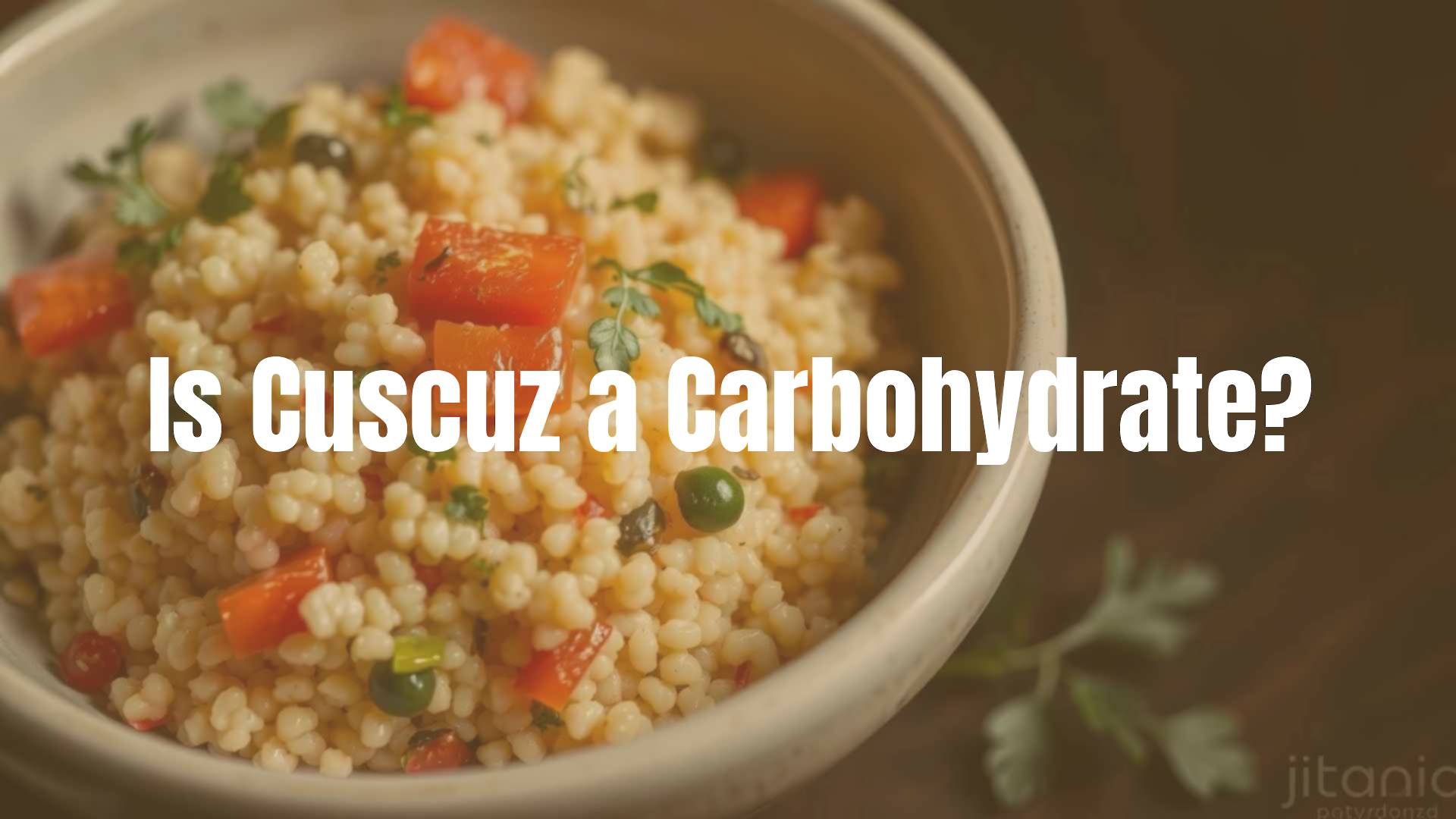
Yes, cuscuz (also spelled couscous) is a carbohydrate. It is made mostly from carbohydrates, as it is a type of pasta created using semolina (ground durum wheat) and water. Many people confuse cuscuz with a grain, but it’s actually a wheat-based product. Like other wheat foods, it provides a large amount of carbohydrates-one of the body’s three main sources of energy along with protein and fat.
When you eat carbohydrates, your body turns them into glucose, which gives you energy for daily activities. This means cuscuz is useful for powering through daily tasks or exercising. Besides being rich in carbs, cuscuz has other nutrients, so it’s a healthy choice if you eat it as part of a balanced diet.

Is Cuscuz a Carbohydrate?
What Macronutrients Are in Cuscuz?
Cuscuz is made up of three main nutrients: carbohydrates, protein, and fat. Most of its calories come from carbohydrates. It also contains some plant-based protein, which is good for your muscles and can help you feel full. Cuscuz is naturally low in fat if you don’t add any oils or butter when cooking. This makes it a good option for those who want to reduce their fat intake while still getting enough carbs and some protein.
How Many Carbs Does Cuscuz Contain per Serving?
The carbs in cuscuz depend on the variety and how you prepare it, but all types are considered high in carbohydrates. For example:
- Traditional Pearl Couscous (1/3 cup dry, about 50g): 39g carbohydrates
- Golden Couscous (1/3 cup dry, about 60g): 45g carbohydrates
- Whole Wheat Pearl Couscous (1/3 cup dry, about 50g): 38g carbohydrates

After cooking, a one-cup serving (without added salt, seasonings, or fat) has about 36g of carbohydrates and around 2g of fiber, which comes to about 34g of net carbs (carbs minus fiber). So, in any form, cuscuz is mainly made of carbohydrates and gives plenty of energy per serving.
Nutritional Profile of Cuscuz
Cuscuz is not only a source of carbohydrates-it also has other nutrients that make it a good part of a healthy meal plan. Its mild taste means you can serve it with lots of different foods, including vegetables, meats, or even fruit and spices. This flexibility makes cuscuz a popular choice in many types of cooking.

Cuscuz also provides important minerals such as selenium (which helps protect cells and takes part in thyroid function and immune health). It also supplies B vitamins (niacin, pantothenic acid, folate) and minerals like phosphorus, magnesium, iron, zinc, and potassium. While it does not supply all the amino acids your body needs, cuscuz offers a reasonable amount of plant-based protein, which can be increased by eating it with other protein-rich foods.
Carbohydrates in Cuscuz
As mentioned, carbohydrates are the main nutrient in cuscuz. These carbs come from starch, a type of complex carbohydrate that provides energy over a longer time, unlike sugars, which act fast. This means cuscuz keeps you feeling full and energized for longer stretches after eating.
Plain cuscuz has very little, if any, sugar unless flavored or packaged with added sweeteners. It has a glycemic index (GI) of around 65, meaning it can raise blood sugar faster than foods like brown rice. However, if you eat cuscuz with high-fiber vegetables and lean meats, your blood sugar levels are less likely to spike.
Comparing Cuscuz with Other Carbohydrate-Rich Foods
It helps to compare cuscuz with other common carbohydrate foods to see how it measures up. Here’s a quick look at how cuscuz compares to rice, pasta, and quinoa:
| Food (1 cup, cooked) | Calories | Total Carbs (g) | Fiber (g) | Protein (g) |
|---|---|---|---|---|
| Cuscuz | 176 | 36 | 2 | 6 |
| White Rice | 242 | 53 | 0.6 | 4 |
| Brown Rice | 218 | 46 | 3 | 5 |
| Pasta | 160 (per 100g) | 33 | 2 | 5 |
| Quinoa | 120 (per 100g) | 21 | 2.8 | 4 |

Cuscuz vs Rice
Compared to white and brown rice, cuscuz has fewer calories and fewer carbohydrates per serving. Cuscuz also brings more protein than white rice and offers a little fiber-though brown rice has more fiber. If you want higher fiber, choose whole-grain cuscuz or brown rice over regular white rice or cuscuz.
Cuscuz vs Pasta
Cuscuz and pasta are both made from wheat and are high in carbs. However, cooked pasta usually has more calories and carbohydrates per serving than cuscuz. Cuscuz also cooks much faster and has a lighter, fluffier texture, making it quick and easy to prepare.

Cuscuz vs Quinoa
Quinoa stands apart in nutrition, as it’s a complete protein (has all the essential amino acids), more minerals, and more fiber than cuscuz. It also has fewer carbohydrates in a typical serving. For those who want more protein and fiber, quinoa is a good choice over cuscuz.
Cuscuz vs Whole Wheat Grains
If you compare regular cuscuz to whole wheat grains like barley or spelt, whole grains usually have more fiber, vitamins, and minerals. For example, Whole Wheat Pearl Couscous has 7g of dietary fiber per 1/3 cup dry serving-much more than the 2g in regular cuscuz. Eating whole-grain versions of cuscuz or other grains helps with digestion and helps keep you feeling full longer.
Cuscuz and Special Diets
People who are following specific diets need to check if cuscuz fits their needs, especially if they need to watch their carbohydrate levels. Cuscuz is high in carbohydrates, so it may not be suitable for everyone. If you have special dietary requirements, you should talk to a healthcare provider or dietitian for advice that fits your situation.
Is Cuscuz Good for Low-Carb Diets?
Most low-carb and keto diets limit carbs to about 20-50g per day. Since one 1/3-cup serving of cuscuz can have 38-45g of carbs, eating it could use up most or all your daily allowance for these diets. For those cutting carbs tightly, vegetables like cauliflower rice or riced broccoli are popular stand-ins for cuscuz, giving similar texture while keeping carbs much lower.

Cuscuz for People with Diabetes
If you have diabetes, you need to pay attention to foods that raise blood sugar. Cuscuz, with a GI of about 65, can increase blood sugar faster than brown rice or quinoa. It’s not off-limits, but it’s a good idea to eat cuscuz in smaller portions and with foods that are high in fiber or protein (like vegetables or chicken) to keep blood sugar steady. Choosing whole wheat cuscuz instead of regular can help too, since it has more fiber that slows how fast sugars are released. Always talk to your doctor or a dietitian for advice suited to your specific needs, especially if you have diabetes.
