

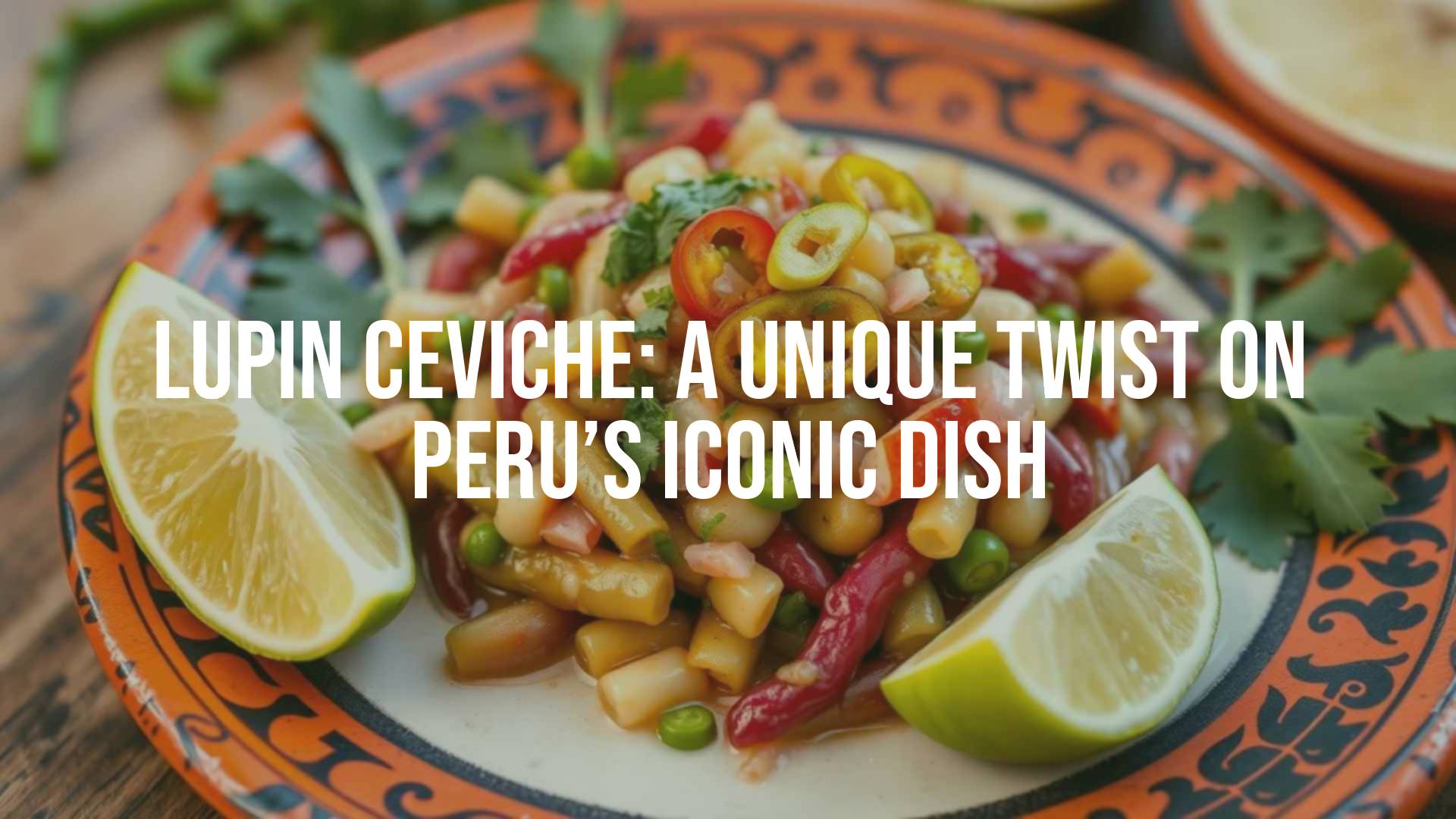
Lupin Ceviche: Peruvian Tradition Reinvented
Understanding Lupin Ceviche
Lupin ceviche offers a remarkable variation on the classic Peruvian ceviche by spotlighting tarwi—commonly known as lupin beans—in place of fish or seafood. This inventive dish merges ancient Andean ingredients with the vibrant, zesty character of Peruvian cuisine. Lupin ceviche is celebrated for its bright citrus notes, fresh herbs, and the creamy texture of the lupin beans, distinguishing it visually and gastronomically from other ceviche varieties.
Origins and Evolution of Ceviche with Lupin Beans
Traditional ceviche, thought to be rooted in Peru’s coastal regions, usually features marinated raw fish cured in lime juice, spiced with ají pepper, and accompanied by onions and corn. The lupin variation, however, draws inspiration from Peru’s highland Andes, where the tarwi bean has been a nutritional staple for thousands of years. Indigenous communities have long valued tarwi not only for its protein content but also for its adaptability in myriad dishes, including this modern ceviche transformation. This innovative take often emerges in areas where fresh seafood is less accessible, illustrating the adaptability of Peruvian culinary traditions.
Cultural Significance and Regional Connections
Lupin ceviche is much more than a novelty; it reflects the resourcefulness of Andean cooks and the diversity of Peruvian gastronomy. By using locally grown lupin beans as the base, this ceviche variation honors the agricultural legacy of Peru’s mountain regions. The dish highlights the ongoing conversation between tradition and innovation in Peruvian cooking, embodying both a connection to ancestral farming and modern culinary creativity. Its presence at festivals and family gatherings in the Andes underlines its role as a bridge between cultural heritage and contemporary tastes.
Key Ingredients and Distinctive Elements
Tarwi, or lupin beans, are the star of this dish and lend a nutty, creamy texture after being carefully de-bittered—a process crucial for making the beans edible. Like classic ceviche, distinctively Peruvian ingredients such as ají amarillo (yellow chili pepper), finely sliced red onions, fresh cilantro, lime juice, and choclo (large-kernel Peruvian corn) round out the flavor profile. The interplay of tart citrus, herbal freshness, gentle heat, and the earthiness of lupin beans results in a dish that is at once vibrant and satisfying.
Presentation and Serving Traditions
Lupin ceviche is typically served chilled, arranged attractively on a platter, with the beans mingling with curls of red onion, colorful chili slices, and a generous sprinkling of cilantro. It is often accompanied by sweet potato slices and lettuce leaves, creating an appealing contrast of colors and flavors. The result is a fresh, eye-catching dish that appeals to both the palate and the senses, making it a favorite at gatherings or as a healthy, protein-rich appetizer.
A Modern Classic of Peruvian Cuisine
The evolution of lupin ceviche underscores the richness and adaptability of Peru’s culinary landscape. With its deep roots in Andean agriculture and its modern twist on a beloved dish, lupin ceviche stands out as a testament to the inventive spirit of Peruvian cuisine—cherishing heritage while welcoming new tastes to the table.
