

Pabellón Criollo: Venezuela’s Culinary Emblem
What Is Pabellón Criollo?
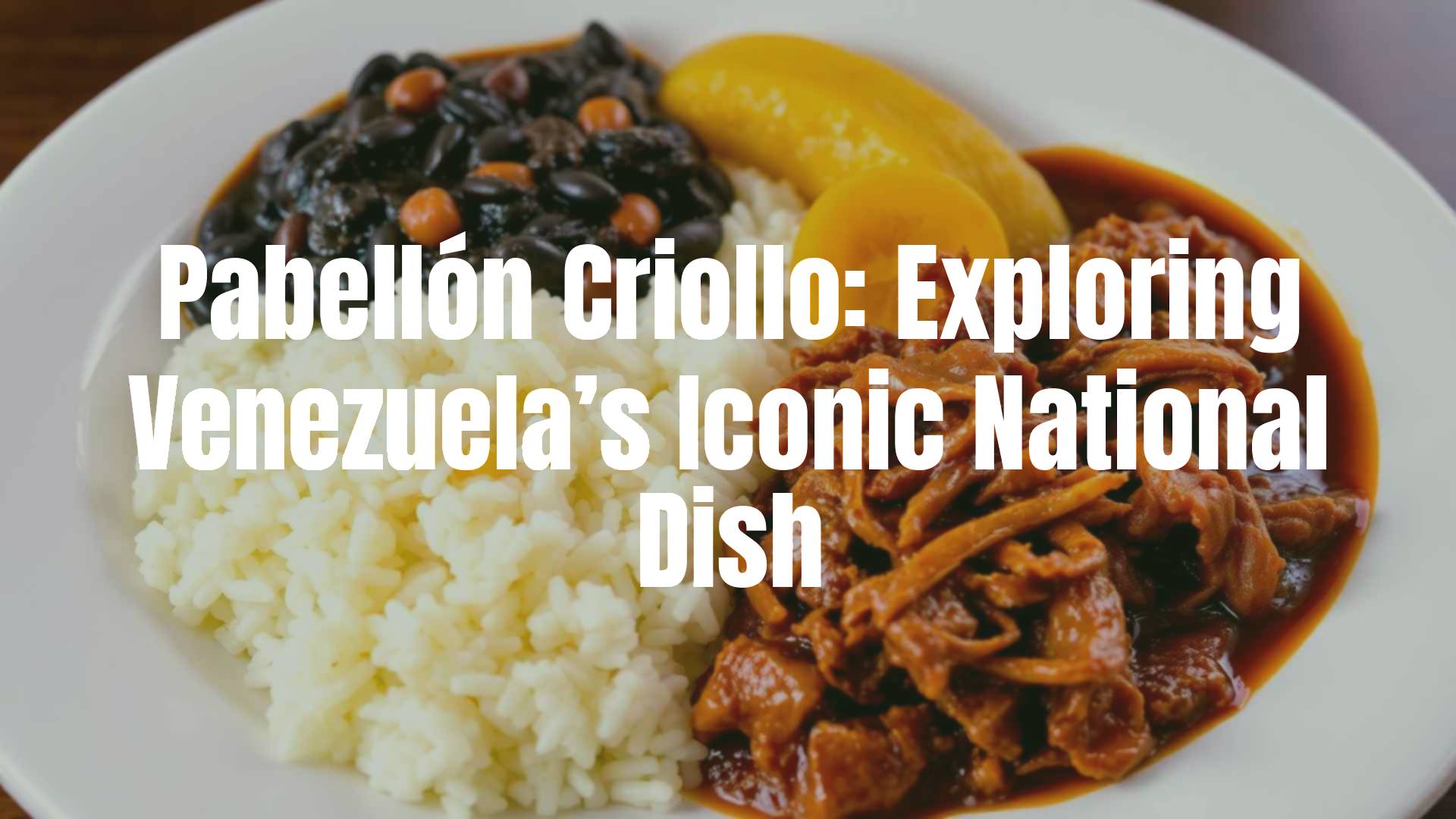
Pabellón Criollo is widely recognized as Venezuela’s national dish, cherished for its distinctive medley of colors, flavors, and textures. At its heart, pabellón criollo is a vibrant plate featuring shredded beef, stewed black beans, white rice, and sweet plantains, typically arranged side by side. More than just a meal, this dish represents the harmonious blending of Venezuela’s diverse cultural heritage.
A Journey Through History
The origins of pabellón criollo trace back to colonial times, where it evolved as a symbol of the country’s rich fusion of Indigenous, African, and Spanish culinary traditions. The arrangement of ingredients is more than aesthetic—each component honors an aspect of Venezuela’s multicultural background: black beans for Africa, shredded beef for Spanish influence, and rice as a staple of Indigenous diets. Over time, it has become a source of national pride and a central dish at homes and celebrations across Venezuela.
Signature Ingredients and Flavor Profile
Pabellón criollo’s allure lies in its contrast of flavors and textures. The shredded beef, typically cooked with tomatoes, onions, peppers, and spices, is juicy and savory. The black beans are tender, often seasoned with garlic and aromatic herbs, offering a creamy, earthy note. Fluffy white rice serves as a comforting base, while golden, caramelized slices of fried ripe plantain (“tajadas”) add a sweet counterpoint. The final presentation is as eye-catching as it is inviting, often creating a “flag-like” motif.
Serving Customs and Accompaniments
Pabellón criollo is most commonly enjoyed as a hearty lunch or dinner. It is sometimes topped with a fried egg or served with slices of avocado for extra richness. For those seeking an added kick, local hot sauces or fresh cheese (queso blanco) might make an appearance. Arepas, Venezuela’s iconic cornmeal bread, are occasionally served alongside to help scoop up the beans and beef.
Regional Twists and Comparisons
While the foundational elements remain consistent, variations exist across Venezuela’s regions. In the Andes, for example, you might find pabellón accompanied with arepas or even a sprinkle of grated cheese. Some families substitute chicken or pork for beef. Though similar in structure to rice-and-beans dishes found throughout Latin America and the Caribbean, such as Cuba’s “ropa vieja,” pabellón criollo stands out for its deliberate side-by-side arrangement and the unique interplay of savory and sweet.
Frequently Asked Questions About Pabellón Criollo
Is pabellón criollo naturally gluten-free?
Yes, when prepared with traditional ingredients, it is naturally gluten-free. However, always verify specialty toppings or sides.
Can vegetarians enjoy a version of pabellón criollo?
Absolutely. Many opt to substitute the shredded beef with seitan, mushrooms, or enjoy extra beans and plantains.
What does “pabellón” mean?
“Pabellón” translates to “flag” in Spanish, a nod to the colorful, flag-like presentation of the dish.
Is pabellón criollo eaten outside of Venezuela?
Yes, especially in Venezuelan expatriate communities, where it remains a nostalgic favorite and a cultural connection to home.
Conclusion
Pabellón criollo is more than just Venezuela’s most iconic dish—it’s a flavorful reflection of its people, history, and traditions. Whether enjoyed at a family table or sampled abroad, this colorful classic is sure to offer a warm, satisfying taste of Venezuelan heritage.
