

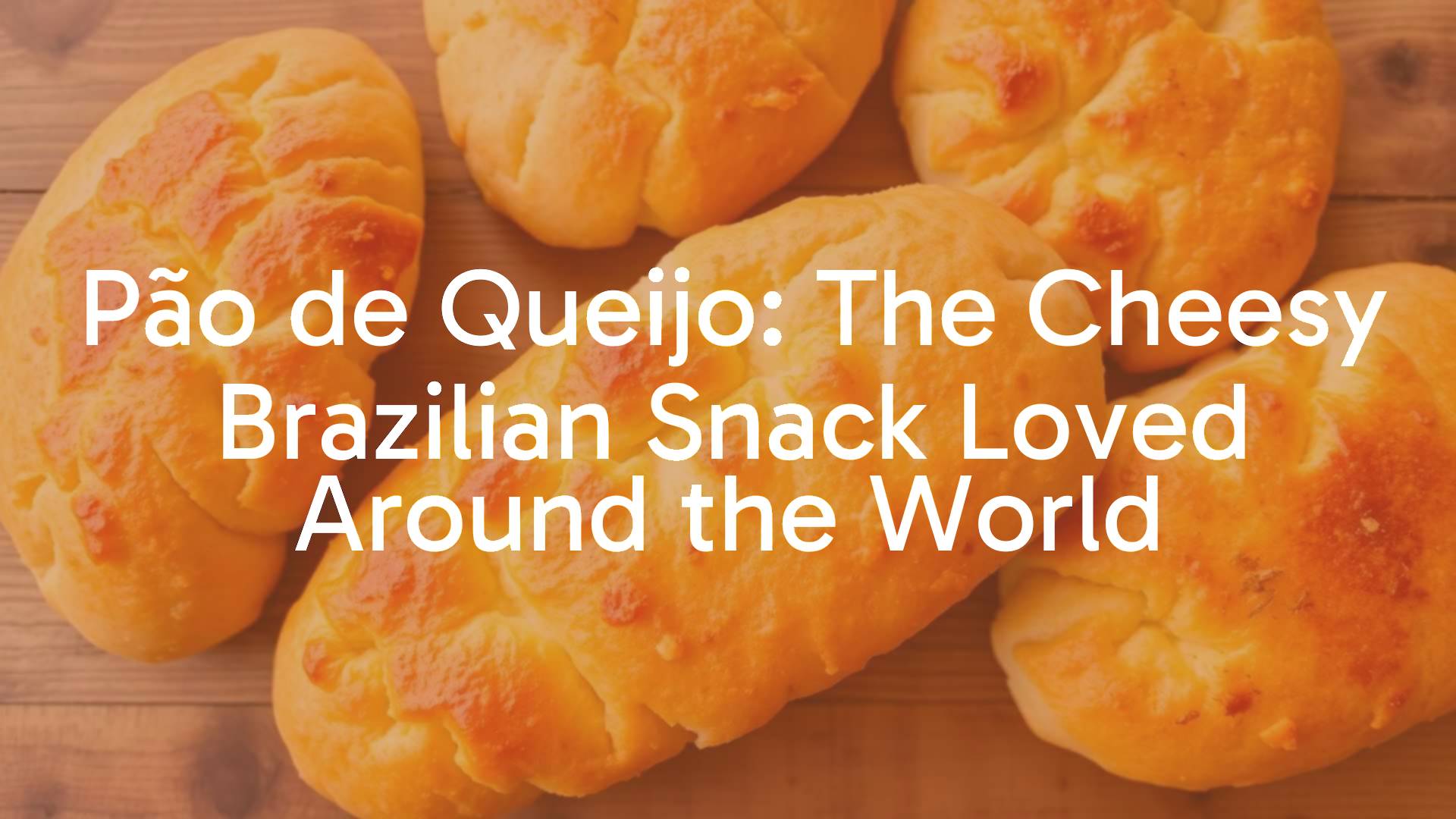
Pão de queijo is a popular Brazilian snack that many people around the world have come to love. These small, round cheese breads are known for their chewy, stretchy insides and crispy outsides. What makes them different from regular bread is the use of tapioca flour, which also makes them naturally gluten-free. People usually eat them for breakfast or as a quick snack at any time of day. Their unique texture and rich cheese taste make them a favorite in Brazil and an interesting choice for food lovers everywhere.
Although “pão de queijo” translates to “cheese bread,” they’re more like small, cheesy puffs. They have become a symbol of Brazilian cuisine, bringing a bit of comfort and nostalgia to many. Whether you eat them fresh from the oven or reheat them from frozen, pão de queijo is a satisfying treat that feels both familiar and new.

What Is Pão de Queijo?
Where It Comes From and Regional Influence
Pão de queijo comes from the state of Minas Gerais in Brazil. People believe it was first made around 1750, during a time when the area had plenty of milk and milk-based products, but wheat flour was hard to get because of the location. Instead, locals used cassava, a native root, as a base. They originally mixed old cheese bits with starch from cassava (polvilho), creating a simple roll. Eventually, ingredients like eggs and milk were added, which made the rolls tastier and softer. Over time, pão de queijo became a key food in Minas Gerais, showing the creativity of cooks working with what was available.
Why Is It Well-Liked in Brazil and Beyond?
Pão de queijo is now everywhere in Brazil. You’ll find it in street stalls, bakeries, supermarkets, and coffee shops. It’s a big part of the Brazilian breakfast and pairs perfectly with coffee. Its chewy texture and cheesy flavor are comforting for many. Outside Brazil, more people enjoy it, especially because it’s gluten-free. Its texture, similar to Japanese mochi, makes it appealing too. In 2023, it was even named one of the world’s best breakfast foods by a major food website, which helped it become popular globally. Its flexibility and taste have brought pão de queijo to kitchens all over the world.
The History of Pão de Queijo
Origins and Early Making
Pão de queijo’s story is linked with the history and farming of Minas Gerais. After mines were found near Ouro Preto around 1700, many people, including enslaved individuals, moved to the region. Wheat was rare, but cassava was a local crop. At first, cooks made simple bread from cassava starch to feed people. Later, as the dairy business grew in the late 1800s, they started adding grated hard cheese. This change made the rolls taste better and look more like the pão de queijo we eat today. The use of local foods and changing habits helped shape this Brazilian favorite.

How It Changed in Minas Gerais
By the middle of the 1700s, Minas Gerais had become well known for dairy farming. Lots of milk and cheese, along with cassava starch, allowed the recipe to get better. Adding eggs and milk to the cheese and starch mixture created the chewy, flavorful pão de queijo that people enjoy today. It became really popular in the 1950s, and using local cheese like Canastra or Minas meia cura makes the most traditional version.
Main Ingredients in Pão de Queijo
Cheeses Traditionally Used
The cheese in pão de queijo is key. In Brazil, cooks use strong-flavored cheeses to get the best taste. The most traditional are cheeses like Minas meia cura (semi-cured Minas cheese) or Canastra. Sometimes, mozzarella is added for stretchiness, or parmesan for a salty flavor. Some people use a mix of different cheeses, depending on what’s around and their flavor preference. The main idea is to pick a cheese that melts well and gives a lot of flavor.
Why Tapioca Starch Is Important
Tapioca starch, or polvilho, is the real star. This starch comes from the cassava root and is what makes pão de queijo gluten-free and chewy. There are two main types: sweet (polvilho doce) and sour (polvilho azedo). Polvilho azedo is fermented, which can make the outside crunchier and the inside lighter and airier. Sometimes, recipes mix both types of starch for a perfect texture-soft and stretchy inside, crisp outside. Tapioca starch does not act like wheat flour, so it makes these cheese breads very different from regular bread.
Other Common Ingredients
Besides cheese and tapioca starch, a few more ingredients are usually added:
- Fat: This can be oil, butter, margarine, or pork lard. It keeps the dough elastic and soft.
- Eggs: These give color, structure, and help the dough rise.
- Milk or Water: Used to hydrate the starch and make the mixture smoother. Milk makes the bread richer.
- Salt: For taste, amount depends on cheese saltiness.
- Optional: Some recipes use mashed potatoes or anise seeds for extra softness or flavor.

Tapioca Flour vs. Cassava Flour
How They Differ
| Aspect | Tapioca Flour (Polvilho) | Cassava Flour |
|---|---|---|
| Source | Pure starch from cassava pulp | Whole cassava root, dried and ground |
| Texture | Fine, white, almost powdery | Coarser, tan, includes fiber |
| Best For | Chewy, stretchy recipes (like pão de queijo) | Baked goods similar to wheat bread |
| Fiber | Very low | Contains some fiber |
Cassava flour and tapioca starch come from the same plant, but are processed differently. Tapioca starch is best for pão de queijo because it gives the right chewiness. Cassava flour will not give you the stretchy, airy center that defines pão de queijo.
The Right One for Authentic Pão de Queijo
To get classic pão de queijo, use tapioca flour (polvilho). Brazilian cooks use both sweet and sour types in the recipe for the best texture. Cassava flour does not work the same way and will not make the right consistency for this bread.
How to Make Brazilian Cheese Bread at Home
Traditional Recipe and Steps
- Heat milk, fat (oil/butter/lard), and salt in a pot until it boils.
- Pour the hot liquid over tapioca starch in a bowl-this helps soften the starch.
- When the mix is cool enough to touch, add eggs and grated cheese, then knead until smooth and sticky but not runny.
- If it’s too dry, add an egg. If too wet, add a bit more tapioca starch.
- Shape small balls from the dough.
- Bake in a preheated oven until puffed and golden brown.

Using a Muffin Pan
Many people use mini muffin pans for pão de queijo, especially with a more liquid batter. Grease the pan first and pour or spoon in the mixture, filling each spot about 7/8 full. Bake at around 400°F (200°C) for 15-20 minutes (or 20-25 for larger pan size). The pan helps them keep shape and get a crispy outside.
Best Tips
- Preheat your oven fully and avoid opening the door during baking.
- If your dough is too runny, chill it in the fridge; if too crumbly, add a bit of liquid or another egg.
- Try different cheeses for richer flavor.
- Serve pão de queijo fresh and warm for best taste.
Popular Variations and Changes
Classic: Pão de Queijo Mineiro
This is the traditional recipe from Minas Gerais, using sour starch (polvilho azedo) and local cheeses like meia cura or Canastra. A hot milk and fat mixture is added to the starch, followed by cheese and eggs. The result is a chewy, cheesy bread that many consider the original version.
Common Substitutions and Additions
People sometimes use cheeses like mozzarella or parmesan if Minas cheese isn’t available. Some add meats like bacon or sausage, while others fill them with sweet ingredients like guava paste or chocolate for a dessert version. Vegan and low-carb recipes also exist, using plant-based cheeses and milks.

Common Problems and How to Fix Them
Texture Troubles and Fixes
| Problem | Reason | How to Fix |
|---|---|---|
| Hard or dry breads | Overbaked, not enough moisture | Use less baking time, add more liquid or egg |
| Flat, not puffy | Dough too runny Oven not hot enough | Chill dough in fridge Preheat oven well |
Flavor Adjustments
- If not cheesy enough, add more (and stronger) cheese.
- For bland breads, adjust the salt-but watch the saltiness of your cheese.
- Do not use cassava or wheat flour; true pão de queijo needs tapioca starch (polvilho).
Nutrition and Dietary Information
Calories and Main Nutrients
| Per Serving (12-18 mini pães) | Amount |
|---|---|
| Calories | ~203 kcal |
| Total Fat | 12g (3g saturated) |
| Carbohydrates | 20g (almost no fiber) |
| Protein | 3g |
| Cholesterol | 32mg |
| Sodium | 329mg |
Each small roll has about 50 calories. These numbers can change depending on the recipe and the types of cheese or added ingredients you use.
Gluten-Free
Pão de queijo does not contain gluten because it is made from tapioca flour, not wheat. It’s a good choice for people with celiac disease, gluten sensitivity, or those avoiding gluten.
Dairy-Free or Vegan Versions
- Use plant-based milks (like almond or oat) instead of cow’s milk.
- Swap out butter for vegetable oil or dairy-free margarine.
- Try vegan cheese or nutritional yeast for the cheesy taste.
- Recipes may include almond flakes or grated coconut for texture.
The results may be a bit different, but these changes allow people with dietary limits to enjoy a similar treat.
Pão de Queijo Around the World
Other Latin American Versions
- Chipa (Paraguay, Uruguay, Argentina): Like pão de queijo, but usually denser and crunchier.
- Pandebono (Colombia): Flatter shape, spongy texture, uses fermented cassava starch.
- Pandeyuca (Ecuador): Very similar to pão de queijo.
- Cuñapé (Bolivia): Another version of cheese bread using cassava starch and cheese.

Pão de Queijo in Japan and Other Regions
Many Japanese families got to know pão de queijo through Brazilians of Japanese heritage who returned home. While similar in chewiness to mochi, some Japanese shops use rice flour instead of cassava. The well-known “Pon de Ring” donut from Japan was inspired by pão de queijo’s stretchy bite.
In the US and Australia, pão de queijo is now found in many supermarkets, often sold frozen. Its gluten-free nature and unique taste make it a popular snack in many countries.
Pão de Queijo: Frequently Asked Questions
How Long Does Pão de Queijo Last?
- Best eaten right after baking.
- At room temperature: up to one day in an airtight container.
- In the refrigerator: up to a week.
- Quality drops after that, and they get harder.
Can You Freeze and Reheat Them?
- Yes. Freeze shaped dough balls or baked breads.
- To freeze dough: Shape, freeze on a tray, then store in a freezer bag for up to 3 months. Bake straight from frozen, adding a few extra minutes.
- Baked pão de queijo can be frozen for a month. Reheat in the microwave for a few seconds or in a toaster oven for a quick crisp.
Best Ways to Eat
- Eat them warm for breakfast or with coffee.
- Add to soups or eat as an afternoon snack.
- Try butter or cheese inside, or fill with ham, sweet spreads, chocolate, or guava paste for a treat.
Pão de queijo is fitting for many occasions and can be enjoyed in lots of different ways.
