

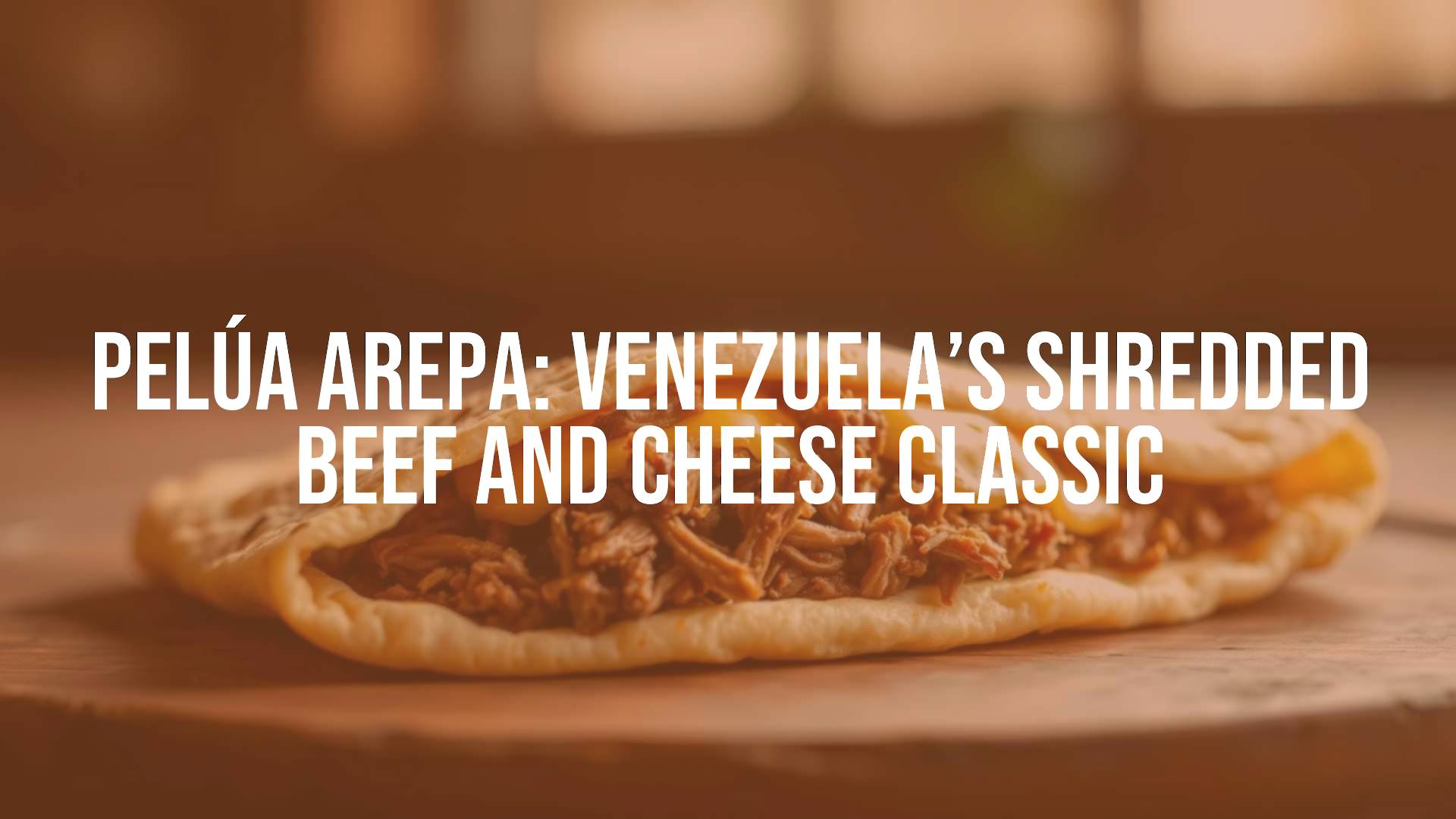
The Pelúa Arepa: A Venezuelan Comfort Food Favorite
Among the diverse array of fillings for Venezuelan arepas, the pelúa arepa stands out as a beloved staple, offering a satisfying combination of shredded beef and cheese. This iconic dish is cherished across Venezuela for its hearty flavors and simple comforts, embodying the nation’s talent for transforming modest ingredients into soulful meals.
Origin and Social Significance
The pelúa arepa traces its roots to the heart of Venezuelan home cooking. While the arepa itself is an ancient pre-Columbian corn cake, pelúa’s specific combination of ropa vieja-style shredded beef and melty yellow cheese became popular in urban eateries and family gatherings throughout the twentieth century. The name “pelúa” translates loosely to “hairy,” playfully referring to the resemblance of the beef’s shreds to strands of hair.
The filling itself draws inspiration from Venezuelan carne mechada (shredded beef), a mainstay in the national diet. The pairing with cheese brings a layer of creaminess and richness, creating a union that speaks to the Venezuelan love for balanced, homestyle flavors. Pelúa arepas are commonly enjoyed at any time—breakfast, lunch, or dinner—making them one of the more versatile members of the arepa family.
What’s Inside? Flavors and Textures
Pelúa arepas are defined by their filling: savory, stewed shredded beef, typically slow-cooked with onions, peppers, garlic, tomatoes, and sometimes a splash of Worcestershire sauce. The meat becomes tender and flavorful, absorbing the aromatics and spices used in each cook’s version. Generous amounts of shredded yellow cheese (traditionally Venezuelan-style queso amarillo, though cheddar or gouda are common abroad) are folded in, either mixed into the beef or layered directly atop it within the arepa.
This duo provides a delightful contrast of textures—the juicy, fibrous beef against the smooth, melty cheese—all encased in the arepa’s light, golden crust with a slightly chewy, pillowy interior.
How Pelúa Arepa Is Served
Typically, pelúa arepas are best enjoyed hot, with the cheese perfectly melted and the beef piping warm. They’re often served as standalone meals, occasionally accompanied by sides like avocado slices, simple salads, or fried plantains. In many areperas (arepa shops), diners can add condiments such as garlic sauce (salsa de ajo), spicy guasacaca, or tangy pickled onions for extra zing.
Peluá and Its Cousins: Comparisons and Variations
While pelúa is a classic, it is just one among a constellation of popular arepa fillings. Its close cousin, the reina pepiada, combines chicken and avocado for a creamy twist, while domino pairs black beans and cheese. Regional versions may tweak the beef’s seasoning or swap in local cheeses.
Outside Venezuela, due to ingredient availability, cooks may use other stewed meats or adapt the cheese, yet the essence remains: the harmonious, “hairy” combination of shredded beef and cheese inside a crisp arepa.
Frequently Asked Questions About Pelúa Arepas
Is pelúa arepa spicy?
No, the traditional version is rich and savory rather than spicy, though hot sauces can be added to taste.
What type of cheese is used in pelúa arepas?
Venezuelan yellow cheeses are typical, but cheddar or gouda are common substitutions.
Can pelúa arepas be made with other meats?
While classic pelúa calls for shredded beef, some cooks experiment with pork or even jackfruit for vegetarian versions.
Is pelúa arepa eaten for breakfast or dinner?
It’s truly all-purpose—enjoyed at any meal throughout the day.
