

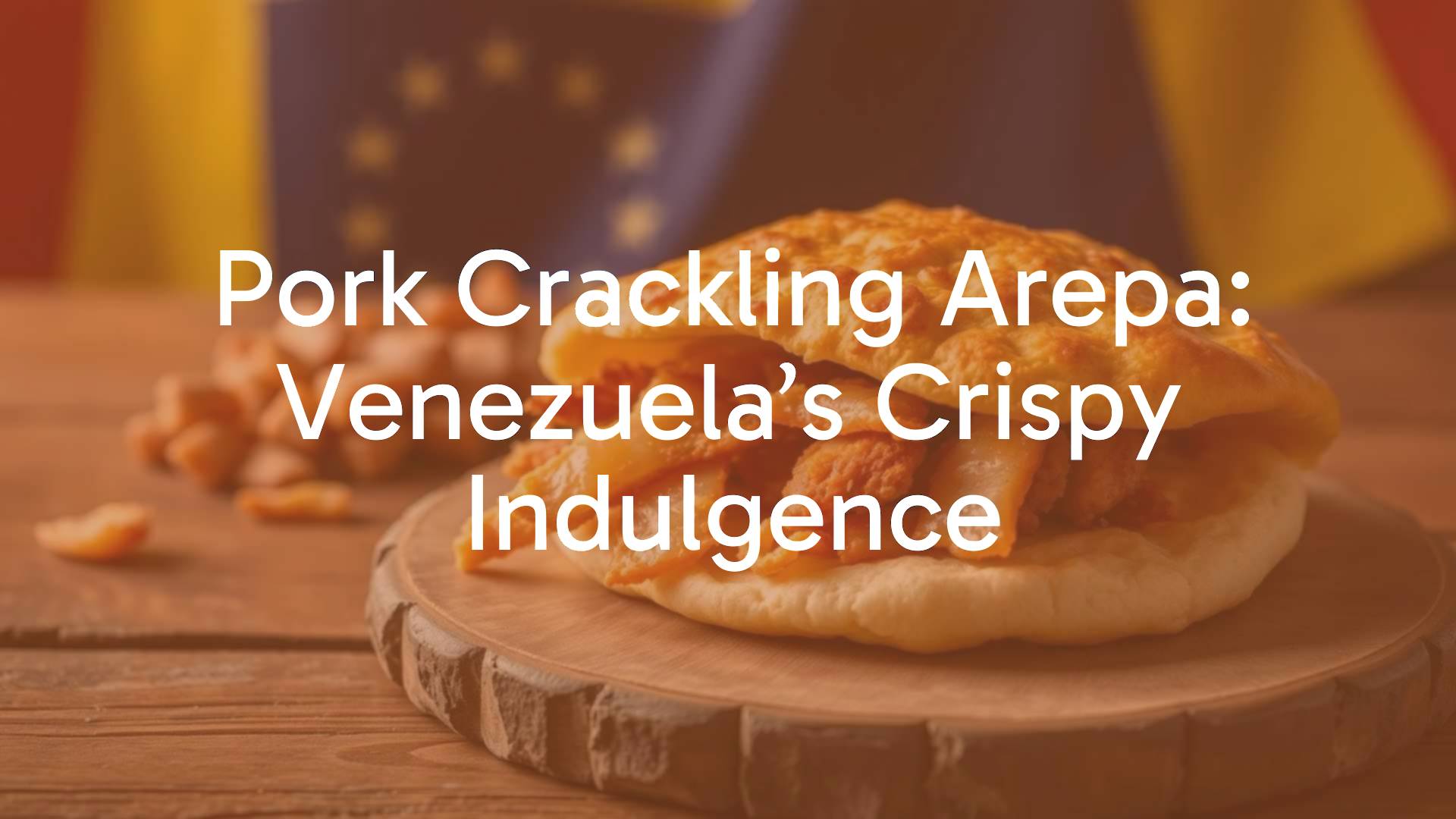
Pork Crackling Arepa: A Bite of Venezuelan Tradition
What is a Pork Crackling Arepa?
The pork crackling arepa, known locally as arepa de chicharrón, is an irresistible take on Venezuela’s celebrated cornmeal cake. This version uniquely incorporates crispy pork cracklings—pieces of pork skin and fat fried to golden, crunchy perfection—right into the dough or as a hearty filling. Renowned for its delightful blend of textures, the dish is treasured for its bold, savory flavor and crowd-pleasing appeal.
Historical and Cultural Footprint
Arepas are a defining emblem of Venezuelan cuisine, dating back to pre-Columbian times with indigenous roots deeply entwined in the nation’s identity. As pork was introduced by Spanish colonists, inventive cooks began adding pork cracklings to their arepas, especially in rural and Andean regions. Over time, the pork crackling arepa became a symbol of indulgent comfort food, often enjoyed during gatherings and celebrations.
The Anatomy: Flavors and Textures
The heart of this dish lies in the marriage of soft, slightly sweet cornmeal dough and the salty, savory crunch of pork cracklings. The arepa itself is typically pan-grilled or baked, developing a delicate crust that gives way to a tender interior with bursts of crispy chicharrón. The flavors balance rich smokiness, umami from the pork, and the rustic sweetness of corn.
Serving Styles and Common Pairings
Pork crackling arepas can be served in two main styles: either with finely crushed chicharrón kneaded directly into the dough, or as a stuffed arepa, split open and generously filled with chunks of pork crackling. Popular accompaniments include cream cheese, avocado slices, or pickled onions, which help balance the richness of the pork. They pair perfectly with a cup of hot café con leche or freshly squeezed tropical juices.
Regional and Stylistic Variations
While present across Venezuela, the arepa de chicharrón is especially beloved in the Andean states and plains regions. Variations abound—some regions season the pork cracklings with garlic or herbs, while others may add a touch of sugar for a sweet-savory interplay. Similar dishes appear throughout Latin America, such as Colombia’s arepa de chicharrón, but the Venezuelan version is distinct for its thicker, doughier base and particular seasoning traditions.
Frequently Asked Questions
Is the pork crackling arepa served as breakfast or a main meal?
Traditionally enjoyed for breakfast or as a mid-morning snack, it can also be featured as a filling lunch or dinner option due to its hearty nature.
Can I make a vegetarian version?
While the essence of this arepa is its porky crunch, creative cooks sometimes substitute crispy plantain or cheese for a similar textural excitement, though it won’t have the same flavor profile.
How does it compare to traditional arepas?
The main difference is the addition of pork crackling, which imparts a richer, more complex flavor and exciting crunch, distinguishing it from the plainer, classic versions.
