

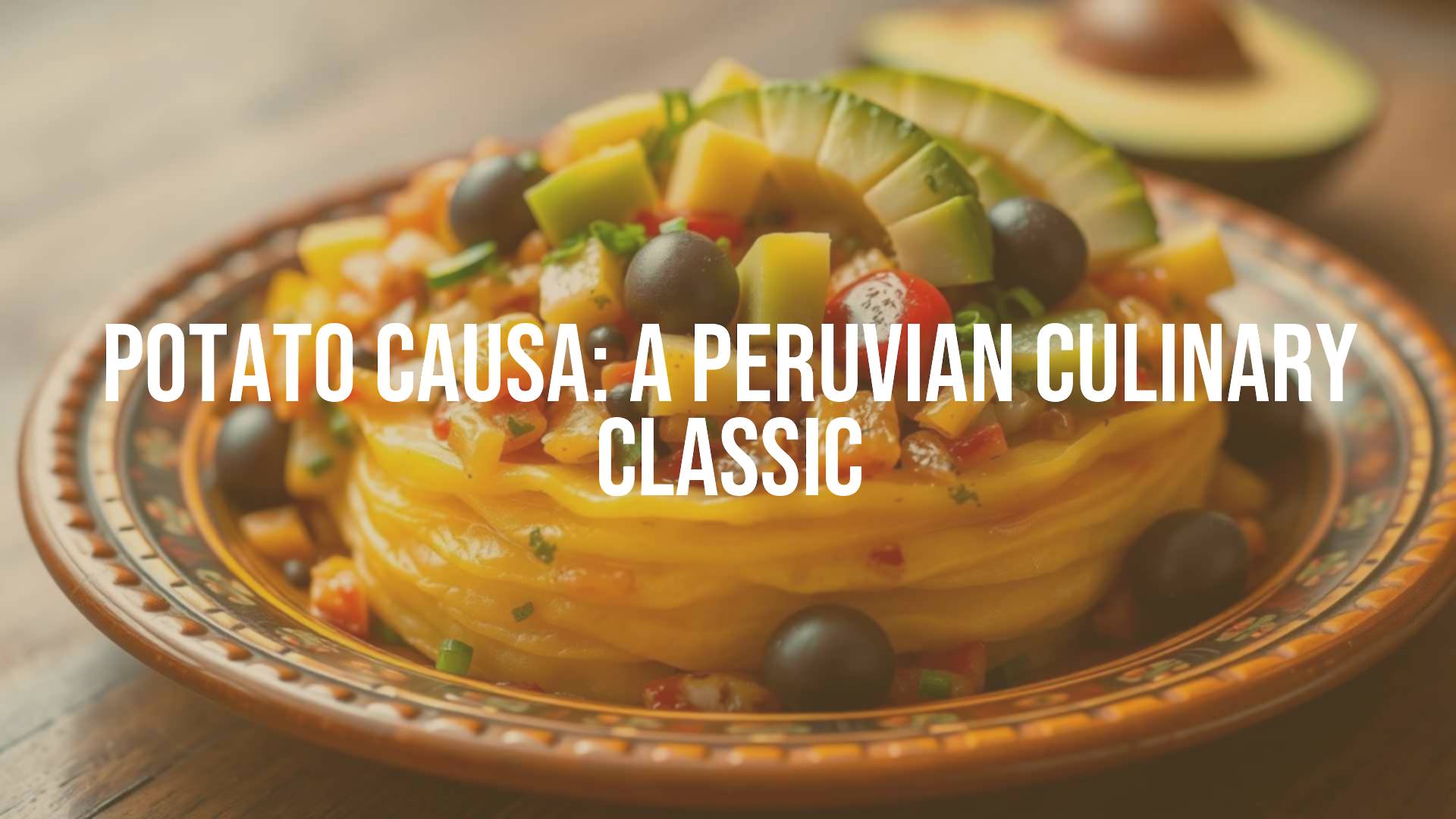
Potato Causa: A Peruvian Culinary Classic
Understanding Causa: A Dish Like No Other
Potato causa, often simply called “causa,” is a quintessential dish in Peruvian cuisine. Its uniqueness stems from its striking presentation and the harmonious layering of creamy yellow potatoes with vibrant fillings. Served cold, causa is both visually appealing and refreshingly light, making it a favorite across the country during festive occasions and as an appetizer in family gatherings.
Origins and Cultural Significance
The roots of potato causa trace back to pre-Columbian Peru, where native potatoes have been cultivated for millennia. The dish’s name is believed to have been derived from the Quechua word “kausay,” meaning “life” or “sustenance,” reflecting the potato’s crucial role in Andean diets. Causa gained new cultural resonance during Peru’s struggle for independence in the 19th century, when women reportedly sold the dish to support the cause—thus, the term “causa.” Today, the dish is a vibrant emblem of national identity, often served at celebrations and symbolizing the country’s ingenuity and history.
Key Ingredients: The Core of the Dish
At the heart of potato causa lies the Peruvian yellow potato, known for its buttery texture and bright golden color. These potatoes are mashed and mixed with lime juice, aji amarillo (Peruvian yellow chili pepper), oil, and salt, forming a silky, flavorful base. The filling varies widely by region and taste, ranging from traditional shredded chicken or tuna mixed with mayonnaise to modern vegetarian or seafood versions. Avocado slices often provide a creamy layer, while olives and hard-boiled eggs are popular garnishes that add flavor and visual contrast.
Preparation and Visual Appeal
What sets causa apart is its artful assembly. The mashed potato is typically molded in layers with the filling in between, creating a cake-like appearance. Bright hues from the yellow potato, green avocado, and colorful garnishes make the dish stand out on any table. Served chilled, it offers a refreshing contrast to Peru’s often robust, hearty dishes. The flavor profile balances creamy potato, tangy lime, gentle heat from aji amarillo, and savory notes from the filling. Each bite delivers a medley of textures, combining softness, richness, and occasional crunch from accompanying vegetables or garnishes.
Regional Variations and Serving Traditions
Causa is deeply associated with the coastal regions of Peru, particularly Lima, where it’s a mainstay in home kitchens and restaurants alike. While the core elements remain the same, each region adds its own spin—sometimes incorporating local seafood such as crab or shrimp, or using native herbs for added aroma. The dish is customarily served in individual portions, elegantly plated, and often accompanied by a light salad or additional garnishes. Its versatility and adaptability to new ingredients have cemented its place as a beloved, enduring feature of Peru’s culinary landscape.
