

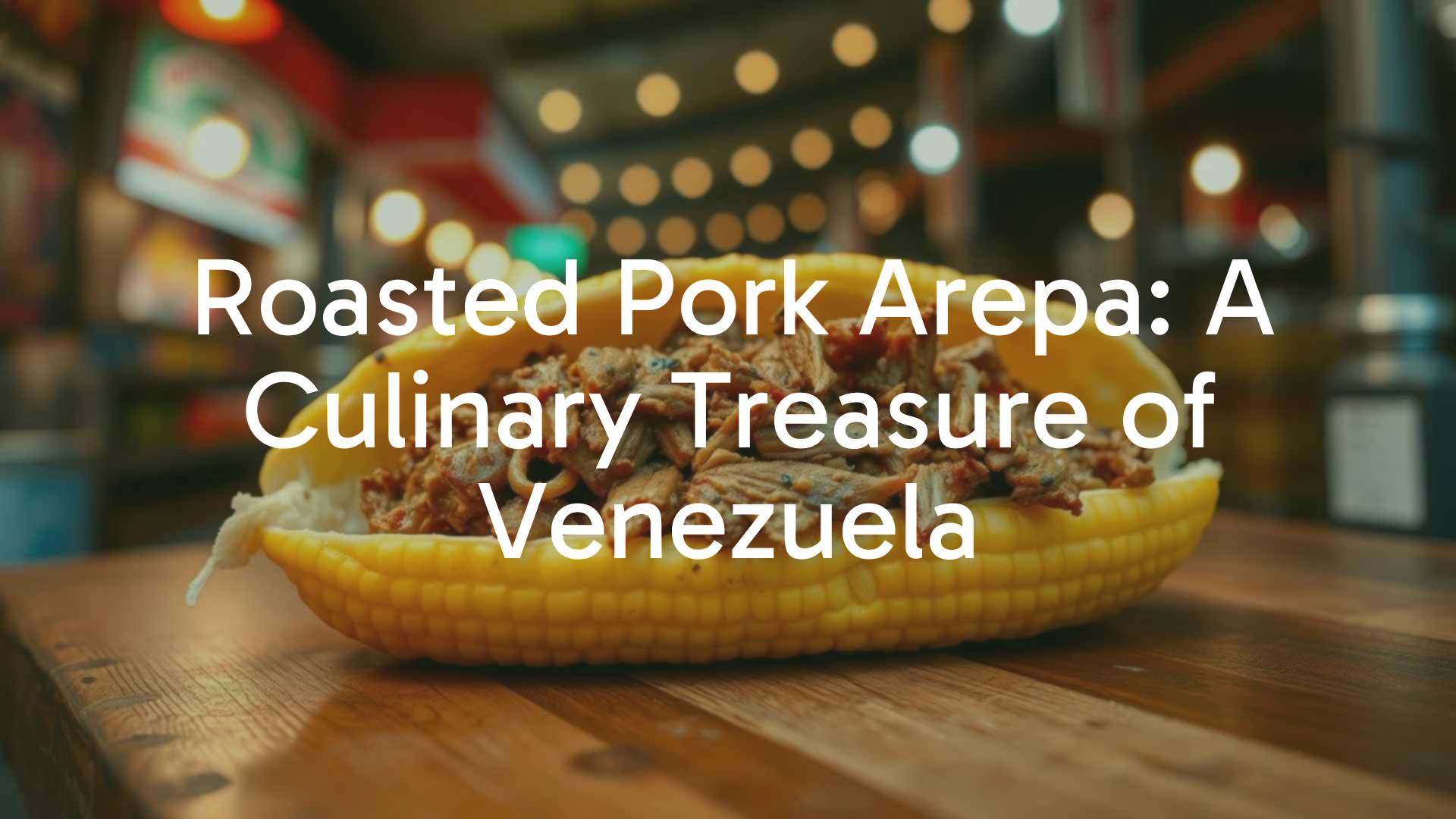
Discovering the Roasted Pork Arepa
The roasted pork arepa holds a beloved spot within the diverse landscape of Venezuelan cuisine. This hearty dish combines the iconic corn-masa arepa—a round, griddled bread—with tender, slow-roasted pork, creating a flavor-packed meal that bridges casual street food and celebratory feasts. Appreciated throughout Venezuela, especially during gatherings with friends and family, roasted pork arepas are emblematic of warmth, sharing, and the nation’s vibrant culinary culture.
Historical and Cultural Significance
Deeply rooted in Venezuelan tradition, arepas have been consumed since pre-Columbian times. The addition of roasted pork, known locally as “pernil,” became prominent with the introduction of pork by Spanish colonizers. Over centuries, the pairing of slow-cooked pork with the country’s staple bread grew popular, particularly during Christmas and festive occasions, reflecting the dish’s role as both everyday sustenance and celebratory delight.
What Sets Roasted Pork Arepas Apart?
The star ingredient, pernil (roasted pork shoulder), is marinated in citrus, garlic, and herbs, then roasted until juicy and flavorful. Shredded or sliced, the pork is nestled in a split arepa, whose crisp exterior and tender center contrast beautifully with the meat’s succulence. The corn arepa brings a subtle sweetness, making each bite a harmonious combination of textures and tastes. Some variations add tangy sauces, creamy avocado, or pickled onions for brightness and complexity.
Ways to Enjoy and Serve
Roasted pork arepas can be savored in countless settings: as a hearty breakfast, a casual lunch, or a festive dinner. They are often enjoyed alongside fresh juices, tangy “guasacaca” sauce, or a simple salad. At celebrations, it’s common to assemble an “arepera” station, letting guests fill their own arepas with pork and an array of toppings, making it an interactive, sociable dining experience.
Similar Dishes and Regional Variations
While roasted pork stands out as a classic filling, arepas themselves are incredibly versatile, holding shredded beef, cheese, beans, or chicken. The inclusion of pernil is especially popular in central and western Venezuela, where families may add local twists like plantain slices or spicy sauces. Comparatively, other Latin American countries offer similar corn-based breads—like Colombia’s arepa or Mexico’s gordita—but Venezuelan arepas, particularly with pork, are uniquely thick and filled after cooking, rather than before.
Frequently Asked Questions
Is a roasted pork arepa spicy?
No, the traditional version is savory and aromatic rather than spicy, though diners can add hot sauce to taste.
Are arepas gluten-free?
Yes, Venezuelan arepas are typically made with pre-cooked cornmeal, making them naturally gluten-free.
What toppings go well with roasted pork arepas?
Common toppings include slices of avocado, pickled vegetables, creamy cheese, or fresh cilantro. Adding a spicy or tangy sauce, such as guasacaca or “ají,” is also popular.
