

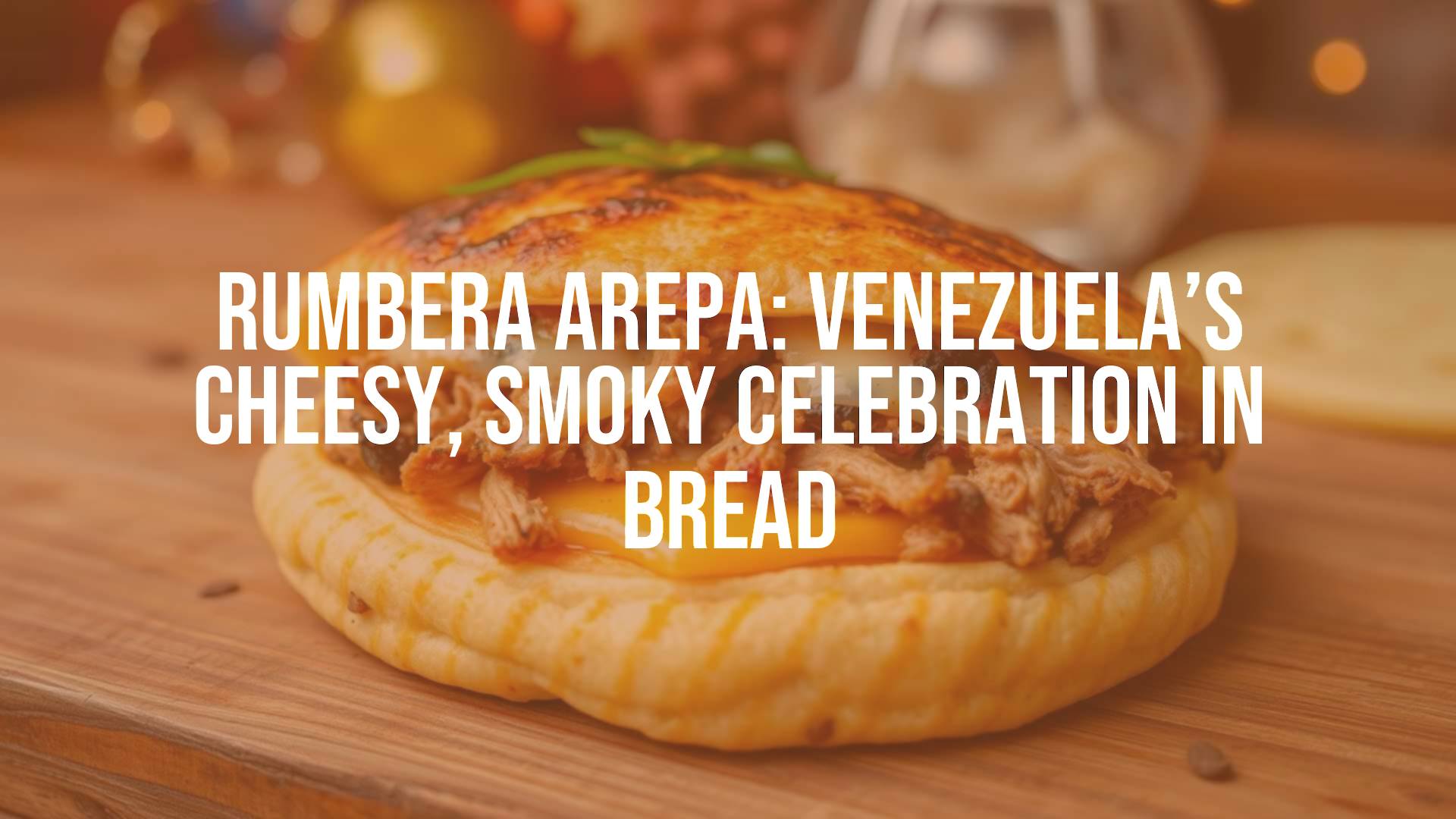
Rumbera Arepa: The Party-Filled Arepa of Venezuelan Cuisine
The arepa rumbera is one of Venezuela’s most festive and beloved stuffed arepas, known for its mouthwatering combination of shredded pork and cheese. This iconic sandwich not only satisfies hungry appetites but also evokes the spirit of Venezuelan celebrations, as its name—rumbera, meaning “party lover”—suggests. More than just street food, the rumbera arepa is a sociable, flavorful dish that brings people together around its savory fillings and unmistakable aroma.
Festive Roots: History and Cultural Importance
The rumbera arepa emerged from the ever-evolving world of Venezuelan areperas (arepa eateries), where creative cooks experiment with endless fillings. Traditionally, the rumbera gained popularity as a late-night snack—a delicious way to refuel after a night of dancing or celebrating. Over time, its irresistible flavors made it a favorite at any time of day, from lunches to communal gatherings, capturing the essence of a Venezuelan “rumba,” or lively party.
What Makes a Rumbera Arepa Unique?
At its core, the rumbera arepa consists of two essential ingredients: tender, juicy shredded pork and a generous helping of grated Venezuelan cheese, typically queso de mano or queso guayanés. The pork is slow-cooked or roasted until it achieves a smoky, succulent flavor, then bundled inside a freshly griddled cornmeal arepa, whose crunchy exterior and soft, steamy interior provide the perfect canvas. The addition of cheese brings creaminess and a touch of saltiness, balancing the meat’s rich depth for an indulgent bite.
Enjoying the Rumbera: How and When
Rumbera arepas are best enjoyed hot, often with a side of guasacaca (a zesty avocado salsa), and sometimes accompanied by pickled onions or a splash of hot sauce. Commonly served at gatherings, food stalls, and bustling areperas, they are a popular breakfast or dinner option. Many enjoy pairing their rumbera arepa with a cold malted beverage, fresh fruit juice, or even a cold beer during festivities.
Comparisons and Regional Twists
Compared to other classic Venezuelan arepas, the rumbera stands out for its use of pork—distinct from the Reina Pepiada (chicken and avocado) or the Dominó (black beans and cheese). Regional twists may substitute local cheeses or add touches like fried plantains or extra sauces, but the core remains shredded pork and cheese. Some areperas offer a “super rumbera,” stacking the filling high or adding spicy options for an extra kick.
FAQs: Understanding the Rumbera Arepa
Is rumbera arepa spicy?
The basic version is not spicy, but it pairs well with spicy sauces if you want extra heat.
Can you make a rumbera arepa with other meats?
Traditionally, it features pork, but some versions use chicken or beef as alternatives. However, the classic rumbera is celebrated for its pork filling.
What cheese is used in a rumbera arepa?
Queso de mano and queso guayanés are common for their stretchiness and flavor, but mozzarella or a mild white cheese can be used in other countries.
When is the rumbera arepa typically eaten?
Anytime! But it’s especially popular as a hearty breakfast or post-party snack.
The rumbera arepa is more than a meal—it’s a celebration of Venezuelan joy, sharing, and culinary creativity. With every bite, you taste the rhythm and warmth of Venezuela’s vibrant food culture.
