

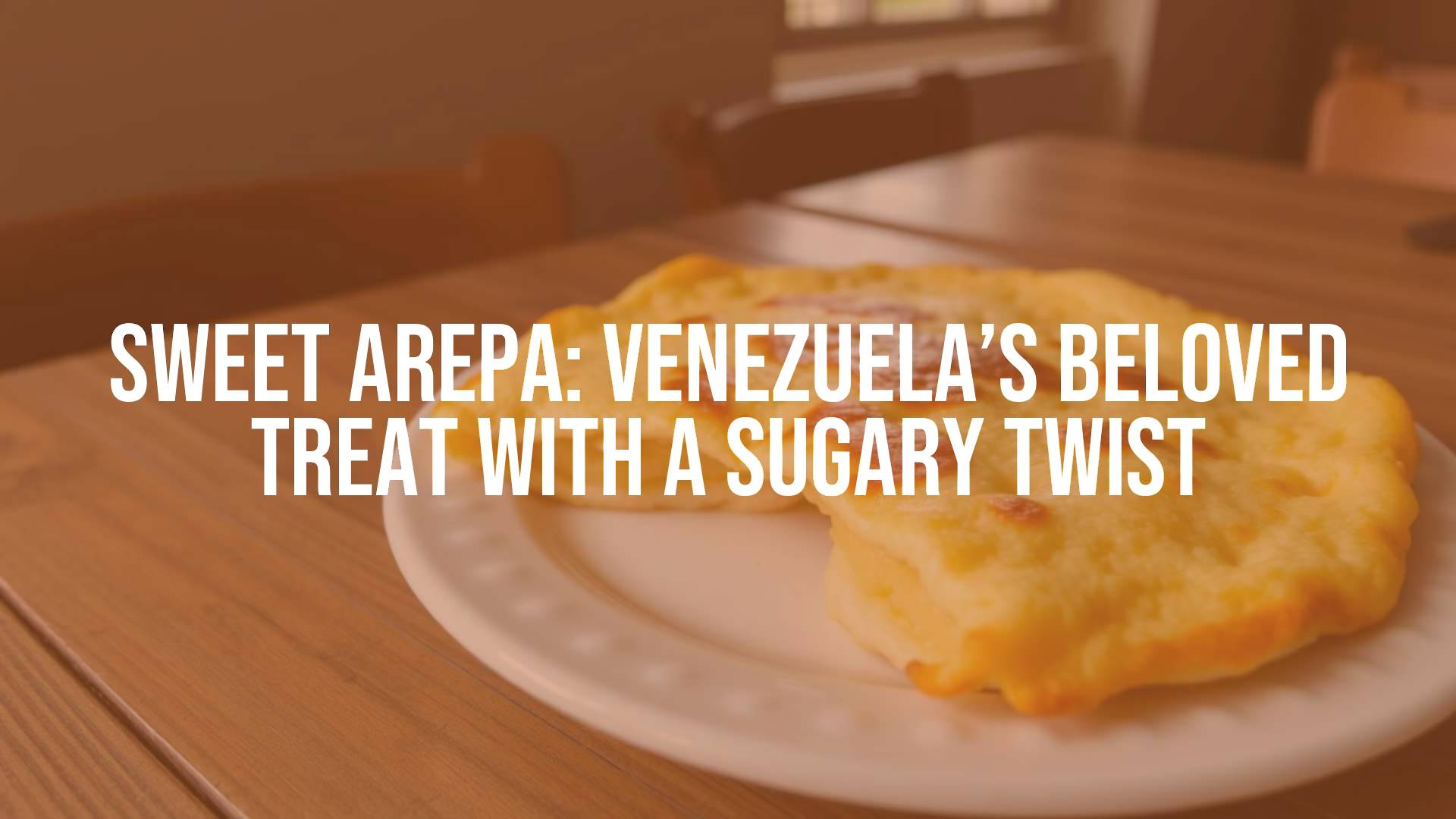
Discovering Sweet Arepa: Venezuela’s Sugary Take on a Classic
In the vibrant world of Venezuelan cuisine, few staples are as cherished as the arepa. While savory versions often steal the spotlight, the sweet arepa (arepa dulce) offers a delightful twist—turning a daily bread into a tender, comforting treat. Unique for its subtle sweetness and golden edges, the sweet arepa brings joy to breakfast tables and is a beloved snack across the country.
A Glimpse into the Origins and Significance
Arepas date back centuries, rooted deeply in pre-Columbian South America. Traditionally, they are made with ground maize (corn) flour—a testament to Venezuela’s agricultural heritage. The sweet variant developed as families introduced sugar and sometimes dairy, transforming the typical arepa into a dish tailored for special occasions and everyday indulgence alike. Sweet arepas bridge tradition and adaptation, showcasing Venezuelans’ creativity in the kitchen.
Key Ingredients and Tempting Character
What distinguishes sweet arepas from their savory relatives is the addition of sugar and, often, a touch of milk or evaporated milk in the dough. Some recipes enhance the flavor with anise seeds, vanilla, or even cheese for a subtle, complex sweetness. The result is a round, golden patty with a tender interior and a slightly crisp surface. Sweet arepas delight the palate with notes reminiscent of cornbread, but lighter and more aromatic.
How Sweet Arepas Are Served
Venezuelans commonly enjoy sweet arepas in the morning, sometimes split and slathered with butter, fresh cheese, or even drizzled with honey. They make an excellent accompaniment to coffee or hot chocolate in the afternoon, serving as both comfort food and a snack for gatherings. Family recipes vary, and homemade arepas are often fried or griddled for a caramelized finish.
Comparisons, Variations, and Regional Delights
Across Venezuela, sweet arepas can differ in ingredients and texture. In some regions, people incorporate coconut or panela (raw cane sugar), adding fragrance and a richer flavor. Unlike the typical savory arepa, which is popular nationwide and adopted globally, the sweet arepa is more common in home kitchens and is reminiscent of dessert breads elsewhere. Some compare it to Colombian arepas de chócolo, but the Venezuelan version is less dense and typically does not include whole corn kernels.
Common Questions About Sweet Arepa
Is the sweet arepa considered a dessert? While sweet, it’s enjoyed for breakfast or as a snack rather than as a formal dessert.
Can I fill sweet arepas? Absolutely. Soft cheese, jams, or even slices of fruit complement their gentle sweetness.
Are they gluten-free? Traditional sweet arepas use corn flour, naturally making them gluten-free—though checking packaging is always recommended.
Are sweet arepas only Venezuelan? While Colombia and other countries have similar corn patties, the sweet style and preparation are distinctively Venezuelan in spirit and flavor.
