

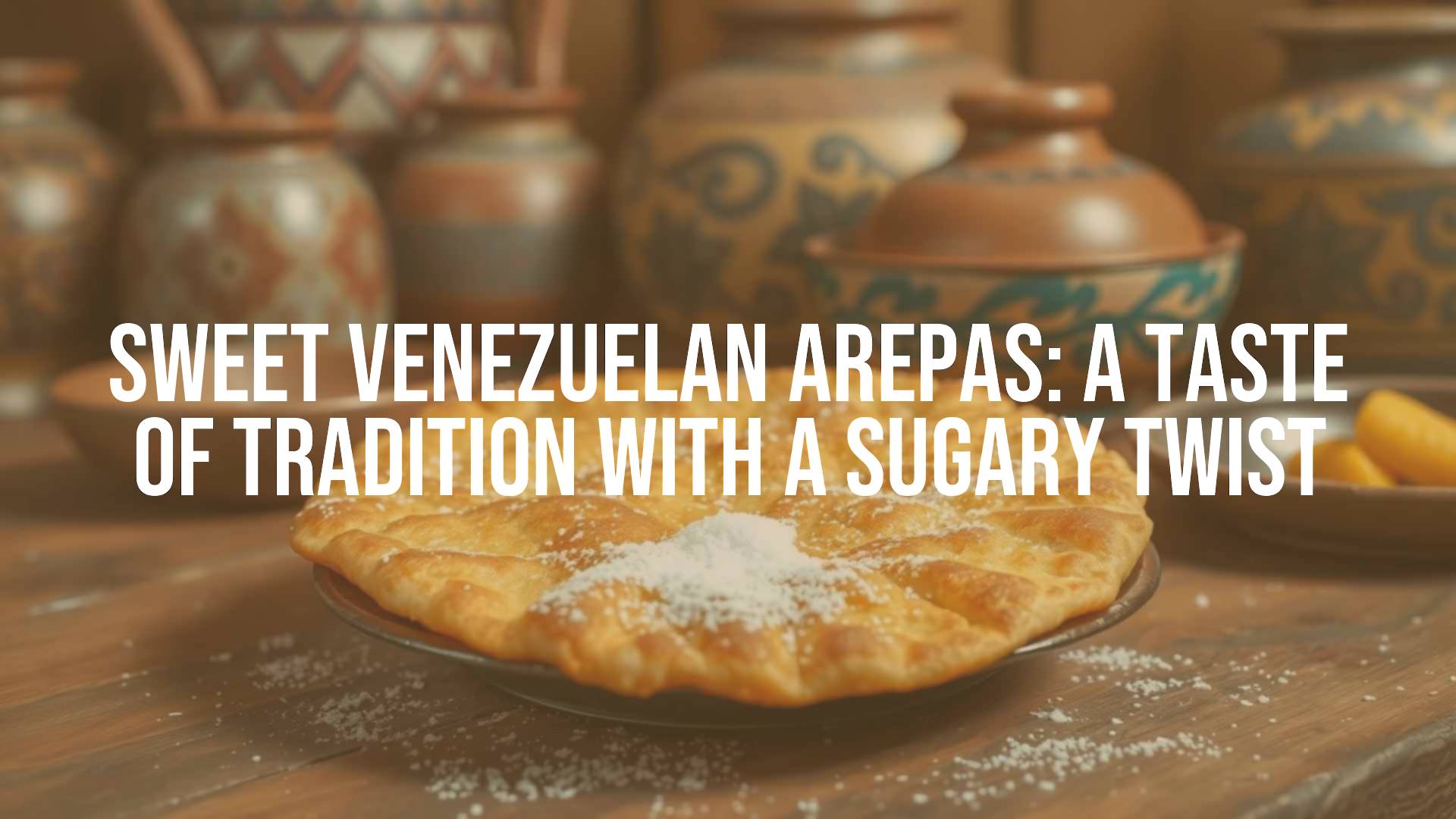
Discovering Sweet Venezuelan Arepas
While Venezuelan arepas are often associated with savory fillings and hearty meals, there is a delightful twist on this beloved staple: the sweet Venezuelan arepa. This lesser-known variant brings together the comforting familiarity of arepas with a touch of sweetness, making it a unique treat in the country’s extensive repertoire of breads and snacks.
A Brief Glimpse at Their Origins
The tradition of preparing arepas dates back to pre-Columbian times, forming an essential part of Venezuela’s culinary history. Sweet arepas emerged as a way to incorporate local ingredients like sugar, papelón (unrefined cane sugar), and sometimes anise, transforming the humble corn cake into a versatile delight for breakfast or merienda (afternoon snack). This adaptation highlights the creativity of Venezuelan home cooks in using simple ingredients to suit diverse tastes and occasions.
What Sets Sweet Arepas Apart
Unlike their savory counterparts, sweet arepas usually include a touch of sweetener in the dough—most commonly white sugar or papelón. Some recipes may enhance the dough with grated cheese or anise seeds, resulting in a complex flavor profile that balances the mild corn taste with subtle notes of caramel or spice. The texture remains characteristically soft and slightly dense, with a crisp exterior formed from pan-frying or baking.
Enjoying Sweet Arepas: Toppings and Pairings
Sweet arepas are typically enjoyed warm, split open and spread with a pat of butter that melts into the soft crumb. They pair wonderfully with fresh cheeses like queso fresco or a dollop of rich cream, and can also be accompanied by homemade jams or Venezuelan hot chocolate for a comforting snack. Whether served for breakfast or as an afternoon treat, these arepas are cherished for their ability to satisfy a craving for something both familiar and indulgent.
Regional Twists and Similar Dishes
Sweet arepas may be found throughout Venezuela, but each region adds its own touch. In the Andes, for instance, it is common to find versions with more pronounced anise flavor or filled with dulces (sweets). Compared to other Latin American corn-based delicacies, such as Colombian arepas dulces or Mexican gorditas de azúcar, Venezuelan sweet arepas are distinct in their corn varietal preference and traditional preparation methods, emphasizing a slightly more delicate sweetness and texture.
Frequently Asked Questions About Sweet Venezuelan Arepas
Can sweet arepas be filled like savory ones?
While typically enjoyed plain or with simple spreads, some people enjoy adding sweet fillings like guava paste, chocolate, or even sweetened cream cheese.
Are sweet arepas gluten-free?
Yes! Like traditional arepas, they are naturally gluten-free, making them an excellent option for those with gluten sensitivities.
How are sweet arepas different from cachapas?
Although both are Venezuelan and use corn, cachapas are more like pancakes, made with fresh corn kernels and much sweeter, whereas sweet arepas use pre-cooked corn flour and are subtly sweetened.
A Comforting Tradition to Savor
Sweet Venezuelan arepas are more than just a variation—they capture the essence of Venezuelan hospitality and ingenuity. Whether paired with a hot drink at sunrise or served alongside afternoon conversation, they continue to bring warmth and sweetness to Venezuelan tables everywhere.
