

An Introduction to Toyo Ceviche
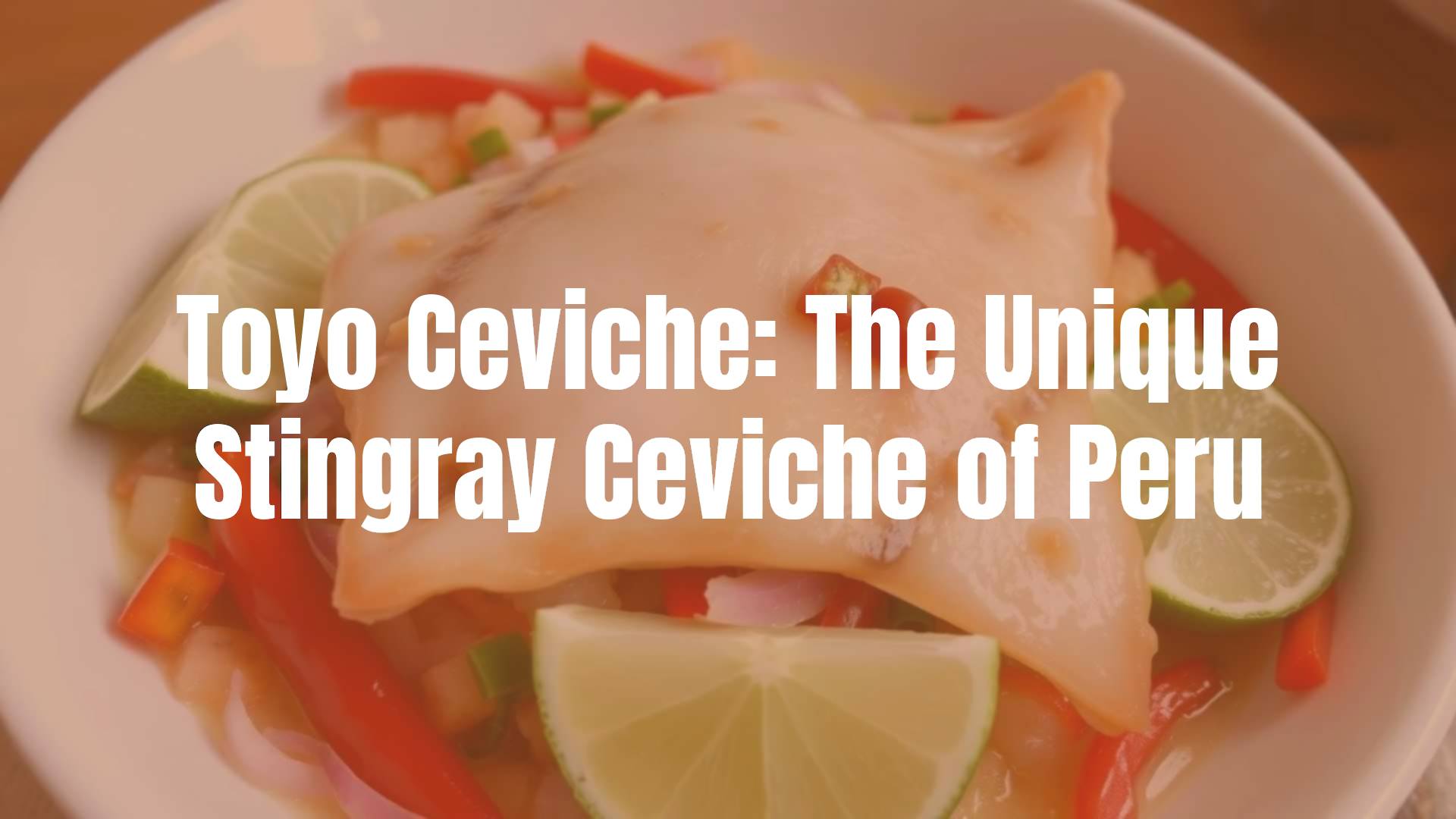
Toyo ceviche is a lesser-known but culturally cherished variation of ceviche found along the Peruvian north coast. The term “toyo” refers to the Peruvian name for a type of local stingray, which is the principal ingredient in this coastal delicacy. While classic ceviche typically showcases fish such as sea bass, toyo ceviche sets itself apart with its use of stingray, resulting in distinctive flavors and textures unlike any other ceviche in Peru.
Distinctive Traits and Preparation
What makes toyo ceviche truly unique is its tender yet slightly chewy texture, a trademark of stingray’s cartilaginous flesh. After being carefully cleaned, the rays are sliced or chopped, then marinated in the quintessential ceviche mixture of freshly squeezed Peruvian lime juice, finely chopped red onion, chili peppers, and salt. Occasionally, a touch of garlic and cilantro is added to enhance its aromatic qualities. The acidity of the marinade gently “cooks” the stingray meat, preserving its natural taste while imparting vibrant hints of citrus and spice.
Origins and Regional Roots
Toyo ceviche hails primarily from northern Peruvian coastal regions, especially around Piura, Tumbes, and Lambayeque. These areas are closely linked to a strong seafaring tradition, with local fishermen relying on the abundance of stingray in nearby waters. The use of toyo in ceviche is a testament to the resourcefulness of local communities, who adapted the dish to reflect the catch available to them. The culinary technique has centuries-old roots, possibly dating back to pre-Hispanic fishing communities who utilized both the bounty of the Pacific and native citrus-like fruits.
Cultural Importance and Occasion
In the north coast of Peru, toyo ceviche is more than just a dish—it’s a marker of local identity and fishing heritage. It is often enjoyed during festive gatherings, seafood fairs, and family meals. The dish represents a celebration of coastal life, connecting the community with the sea and highlighting the regional variation within Peruvian cuisine. For many, sharing toyo ceviche at the table underscores a deep respect for both traditional culinary skills and the marine resources of the Pacific.
Key Ingredients and Peruvian Touches
At the heart of toyo ceviche are ingredients that are quintessentially Peruvian: the indigenous stingray, Peruvian limes known for their assertive acidity, and ají limo or other native chili peppers offering fiery notes. Garnishes often include sweet potato (camote), sliced corn, and crunchy cancha (toasted maize), echoing the accompaniments of coastal ceviche traditions. The visual appeal comes from the interplay of snowy-white stingray, vibrant onions, green flecks of cilantro, and bright chilies—a colorful tableau reflecting the vivid Peruvian landscape.
Serving Style and Experience
Toyo ceviche is usually presented chilled, arranged on a shallow plate or dish, frequently accompanied by local garnishes that balance out the tangy and spicy profile of the ceviche itself. Traditionally, it is eaten as an appetizer during midday meals or as a light entrée on hot coastal afternoons. The first bite provides an explosion of Peruvian flavors—a harmony of zest, heat, freshness, and the sea—that makes toyo ceviche an enduring and celebrated dish among locals and visitors alike.
