

What Is Pan de Jamón?
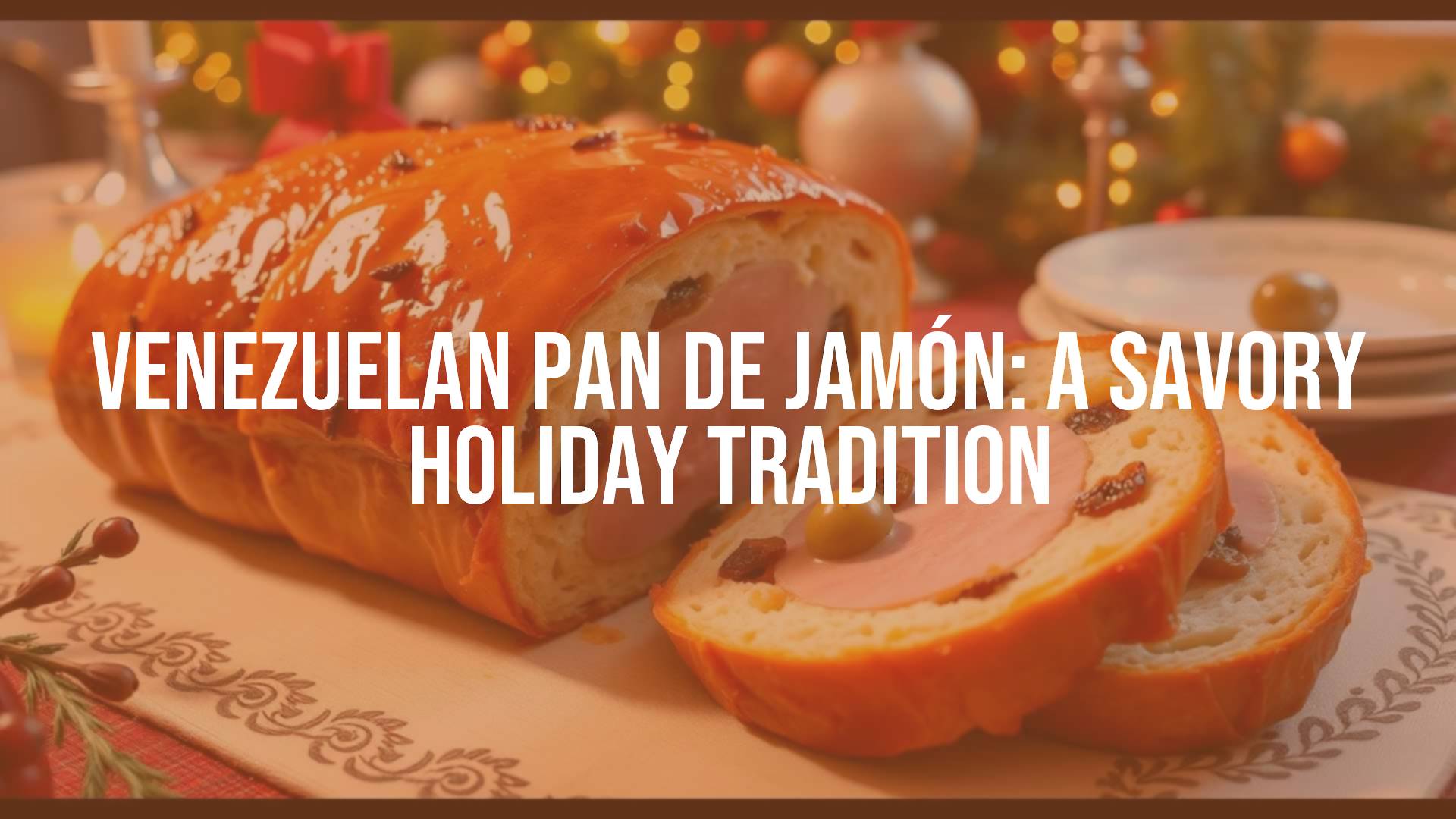
Pan de jamón is a cherished Venezuelan bread, filled with ham, raisins, and green olives, that embodies the warmth and celebration of the country’s holiday season. Its golden, glazed crust and savory-sweet filling have made it an essential centerpiece at Venezuelan Christmas tables, where it is enjoyed by families across generations.
Roots and Festive Origins
This iconic bread first appeared in Caracas in the early 20th century and quickly gained popularity as a symbol of Navidad (Christmas) in Venezuela. Originally stuffed only with ham, pan de jamón evolved as bakeries and home cooks began adding raisins and olives, enhancing both its flavor and visual appeal. Today, it remains a beloved sign of family gatherings and festive occasions, especially from December through early January.
Distinctive Flavors and Textures
The bread’s soft, slightly sweet dough encases a savory-sweet medley: thinly sliced ham delivers a salty richness, plump raisins introduce subtle bursts of sweetness, and sliced green olives add a tangy, briny note. The contrast of these ingredients against the pillowy bread creates a unique taste and texture profile—delicate yet vibrant.
Enjoying Pan de Jamón
Traditionally, pan de jamón is sliced and served warm or at room temperature, often as part of the main holiday meal. It is commonly paired with hallacas (Venezuelan tamales), ensalada de gallina (chicken salad), and pernil (roast pork), rounding out the festive table. While intrinsically tied to Christmas and New Year’s celebrations, its comforting flavors also make it a favorite for other special gatherings.
Variations and Regional Interpretations
While the classic filling features ham, raisins, and olives, some modern bakers get creative, using turkey, smoked meats, or even vegetarian alternatives. In some regions, capers, nuts, or strips of bacon may be added for extra flavor. Despite these twists, the core character of pan de jamón endures.
Similarities and Differences with Other Breads
Though similar in form to rolled breads or stuffed loaves from around the world, pan de jamón’s signature combination of meat, fruit, and olives sets it apart. Its closest culinary cousins might be Italy’s panettone (in texture) or Spain’s empanada gallega (in preparation), yet neither achieves the same balance of savory and sweet.
Frequently Asked Questions
Is pan de jamón eaten outside of Christmas?
While it is most strongly associated with the holiday season, pan de jamón can be found at Venezuelan bakeries throughout the year, especially in communities with large Venezuelan populations abroad.
Can it be made in advance?
Yes, pan de jamón is often made a day ahead. It maintains its freshness and flavor for several days when properly wrapped, making it ideal for busy holiday schedules.
What makes pan de jamón distinctly Venezuelan?
Beyond its ingredients, pan de jamón is a symbol of family and tradition. Its presence on the holiday table evokes nostalgia and a sense of home, particularly for Venezuelans living abroad.
