

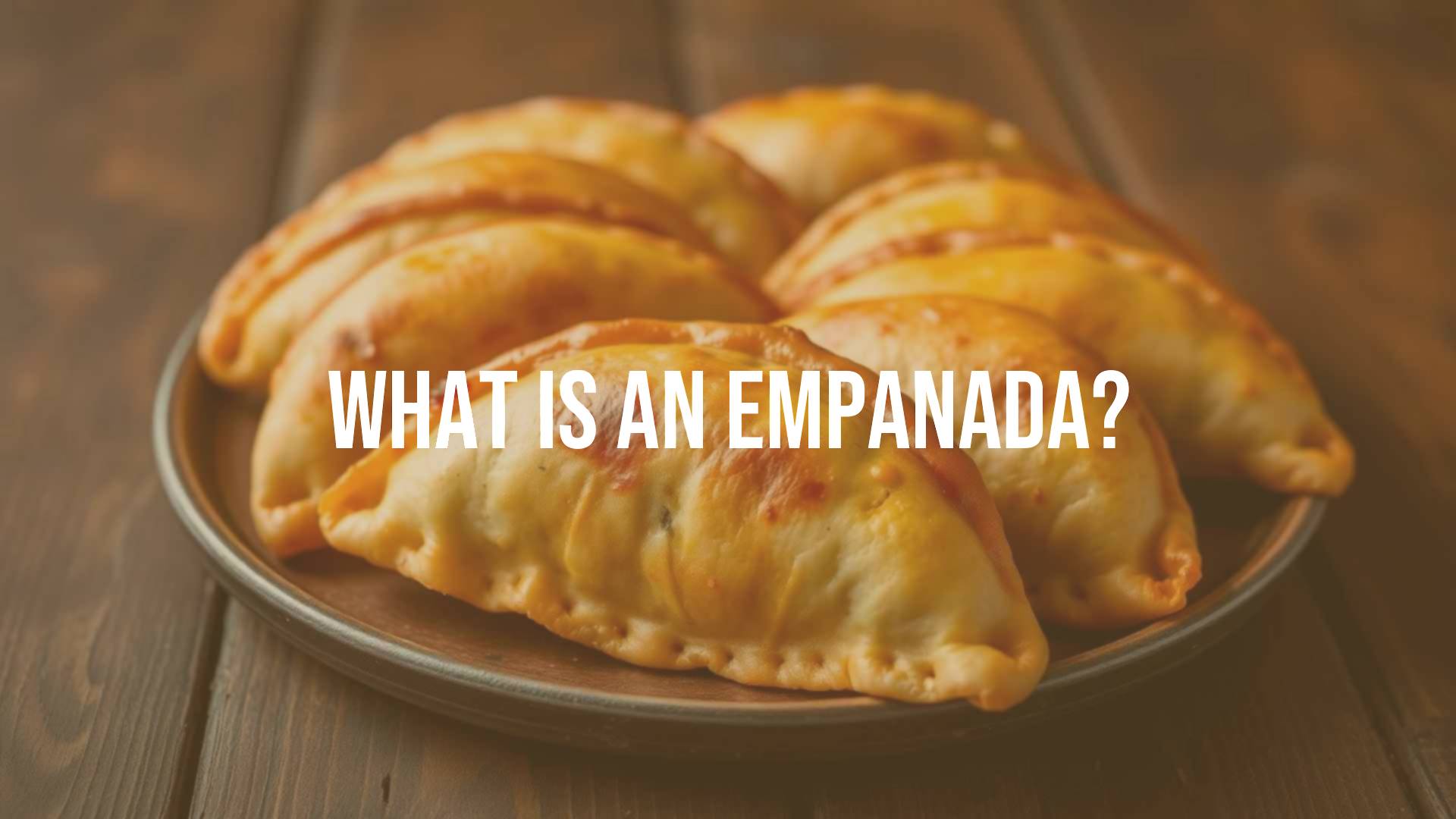
An empanada is a well-loved and adaptable pastry, made by wrapping a savory or sweet filling in dough and cooking it, usually by baking or frying. Empanadas are popular in Spain, many Southern European and North African countries, South Asia, Latin America, and the Philippines. The name “empanada” comes from the Spanish word “empanar,” meaning “to cover with bread” or “to wrap in bread.” These turnovers are enjoyed as snacks, appetizers, or main courses and are easy to take on the go, similar to a handheld pie or a gourmet version of a hot pocket.
What Is an Empanada?
At its simplest, an empanada is a portion of filling wrapped inside a dough, then baked or fried until golden. This basic idea has made room for many variations in different countries, each showing its own special food culture. Whether sold on the busy streets in Latin America or at markets in Southeast Asia, empanadas come in many styles and flavors, always offering comfort and satisfaction.
What makes the empanada special is how easily it can change. The way it’s made, the ingredients inside, and the meaning it holds in different places all change depending on where you are. This flexibility is why learning about empanadas can be so enjoyable, and why people everywhere find ways to make it their own.

Main Ingredients in Empanadas
Empanadas are built around two main parts: the dough and the filling. Dough is usually made from wheat flour, but sometimes from corn, and can be soft and flaky, crisp, or thin. The dough choice often affects whether the empanada is baked or fried.
The filling options are almost endless and depend on local food customs and what is available. Popular savory fillings include ground beef, chicken, or pork, mixed with onions, garlic, and spices like cumin, oregano, and paprika. Vegetables such as potatoes, peas, peppers, and corn show up often, and cheese is a common addition. In some areas, seafood like cod or shrimp is the favorite. Sweet empanadas are less common, but they might have fruit, custards, or sweet beans as their filling.
Where Did Empanadas Start?
Empanadas probably started in Galicia, a part of northwest Spain, as early as the 7th century. The first descriptions of something like an empanada appear in old works from around 1282. Jewish books from the same period also mention filled bread products called “inpanada” or “panada.”
By the 1500s, empanadas had a firm place in European cooking. A Catalan cookbook from 1520, the Llibre del Coch, even included recipes for seafood-filled empanadas. Covering food in dough made it easy to carry when traveling, since the crust kept out dirt and dust. Over the years, empanadas became popular across many cultures and adapted to local ingredients, showing just how well the idea travels.

Types of Empanadas by Region
Empanadas have changed and taken on new forms as they traveled around the world. Each region uses its own local ingredients and cooking styles, creating many different versions. Let’s see how they differ in various places:
Argentina
Argentina has a wide variety of empanadas, and each region has its own style. For example:
- Salta: Small, juicy, and a bit spicy, filled with potatoes, peppers, and chili.
- Jujuy: Uses peas and garlic, with a filling called “recado.” There are both “criollas” and “arabes.”
- La Rioja: Has hard-boiled egg, red bell pepper, olives, and raisins.
- Famaillá: Hosts a major empanada festival. Empanadas here are made with thin beef slices and sometimes chicken.
- Patagonia: Uses lamb or seafood for fillings.
Buenos Aires has even declared the empanada a Cultural Heritage food, showing how important it is to Argentine cuisine.
Spain and Galicia
In Spain, especially in Galicia, empanadas are everywhere, filled with seafood, sausage, or chicken. They are enjoyed hot or cold, making them a common food at festivals and for travelers. Galician empanadas go back to the 7th century. The hard covering helped keep food safe while traveling, which helped make them popular as portable meals.
Chile
Chile is known for its empanada de pino, baked and filled with ground beef, onions, olives, raisins, and hard-boiled eggs, giving a mix of sweet and savory flavors. Cheese empanadas are also popular and are usually fried, making them crunchy on the outside and gooey inside.
Colombia
Colombian empanadas are made with corn dough, not wheat, which gives a different taste and crunchy texture when fried. Fillings are commonly beef or chicken, and they’re often eaten with salsa de ají, a spicy chili sauce.

Venezuela
Venezuelan empanadas are also made from corn meal dough and fried, giving a crisp outside. Fillings include cheese, shredded beef, chicken, and local specialties like “cazón” (school shark). The “empanada de pabellón” includes beef, black beans, plantains, and cheese, taking after the country’s national dish.
Philippines
Filipino empanadas are often a little sweet and use a wheat flour dough. The filling might be a mix of ground meat, potatoes, onions, and raisins, or local vegetables. There are two main types: baked and fried. Special versions come from different regions like Ilocos (fried empanadas with rice flour dough, sausage, and egg) and Bulacan (flaky, scale-patterned crust). Sweet versions include coconut or custard fillings.
Mexico
Mexican empanadas often use a fried corn dough similar to masa, familiar from tacos and other dishes. Popular fillings are refried beans, chicken, potato with cheese, and pork. Toppings like pickled cabbage, crumbled cheese, and spicy sauces are common. They are a staple at fairs and street food stands.
Portugal
While “empanada” is not a common term in Portugal, similar snacks like “Pasteis de Bacalhau” (cod fritters) and “Rissols” (crescent-shaped pastries with creamy shrimp filling) are popular and resemble empanadas in style and preparation.
United States
Empanadas are easy to find in the US, especially in cities with large Hispanic communities, including New York, Miami, Los Angeles, and others. Food carts, trucks, and restaurants serve empanadas with many types of fillings, keeping traditional recipes but sometimes adding new twists for local tastes.
Other Places
Empanadas and similar stuffed pastries show up in other countries under different names:
- Belize (Panades): Made with corn dough, filled with fish, chicken, or beans.
- Brazil (Pastéis): Thin pastry, fried, with fillings like beef, chicken, or cheese, and sometimes sweet fillings.
- France (Chaussons): Puff pastry turnovers with both savory and sweet fillings.
- Indonesia (Panada): Thick fried bread with spicy fish filling.
- Malaysia/Singapore (Epok-epok/Karipap): Curried potato or meat fillings in a fried pastry shell.
Other examples include dumplings like Chinese jiaozi and Vietnamese bánh gối.
Popular Empanada Fillings
The filling is the most important part of the empanada and is where different countries show their flavors:
| Type | Description & Common Ingredients | Regions |
|---|---|---|
| Beef | Ground or chopped beef, with onions, garlic, spices (cumin, paprika), sometimes eggs, olives, or raisins | Latin America, especially Argentina, Chile |
| Chicken | Shredded or diced chicken, with onions, peppers, and spices; sometimes with raisins or potatoes | Colombia, Philippines, Latin America |
| Seafood | Fish (cod, tuna, shark), shrimp, with garlic, peppers, sometimes creamy or tomato sauces | Portugal, Spain, Venezuela, Argentina |
| Vegetarian / Vegan | Potatoes, peas, carrots, corn, black beans, lentils, plantains, and cheese (or vegan cheese) | Philippines, Latin America |
| Sweet | Fruit (guava, apple, banana), custards, coconut, peanut butter, sweetened beans | El Salvador, Philippines, Brazil, Argentina |
How to Make Empanada Dough
Good empanada dough is soft and easy to shape, but strong enough to hold the filling. Most doughs are simple to prepare. You don’t need to worry about making it perfect on the first try, as it’s very forgiving compared to other pastries.
Typical Empanada Dough Ingredients
- Flour: Most use regular wheat flour, but some (like in Colombia or Venezuela) use corn flour or masa.
- Fat: Butter makes baked empanadas flaky; shortening or lard is common for frying. Cold fat is cut into the flour.
- Liquid: Warm water or milk helps the dough come together.
- Salt: For taste.
- Egg: Sometimes included for a softer, richer dough.
- Extras: Paprika or annatto for color.
How to Prepare Empanada Dough
- Mix flour, salt, and any spices.
- Cut cold butter or shortening into the flour until crumbly.
- Add water (or milk and egg) little by little until the dough forms a ball.
- Gently knead just until smooth; do not overwork.
- Wrap and chill in the fridge for at least 30 minutes before rolling out.
- Roll dough to about 1/8 to 1/4 inch thick and cut into circles.

Empanada Assembly and Cooking Methods
Making empanadas involves filling, folding, and sealing the dough, then cooking them-methods that affect the final taste and texture.
Folding and Sealing
After putting filling in the center of the dough circle (1.5-2 tablespoons is enough), wet the edge of the dough with water or egg wash, fold to make a half-moon shape, and press out any air. Seal the edge by pressing with a fork or folding the edge over in small pinches (a “pleat” or “repulgue”). The goal is to keep the filling from leaking out.

Bake or Fry?
- Baking: Gives a lighter, flaky crust. Use 375-400°F (190-200°C), bake for 20-30 minutes until golden. Less greasy, easier for large batches, and healthier.
- Frying: Makes a crispier, golden crust. Use hot oil and fry until browned. More indulgent, but can be messier and higher in fat.
Air Fryer Option
You can cook empanadas in an air fryer for a result that’s crispy but uses much less oil. Preheat the air fryer, arrange in a single layer, and brush lightly with oil or egg wash for better color. The exact time depends on your air fryer, but start with 7-10 minutes at 370°F (188°C) and adjust as needed.
Empanada Dipping Sauces and Sides
Empanadas taste great alone but are even better with the right sauce or side:
Popular Sauces by Country
- Colombia: Salsa de ají-spicy chili sauce.
- Argentina: Chimichurri-herb sauce with parsley, garlic, oil, and vinegar.
- Mexico: Spicy tomato sauce, salsa, or guacamole.
- Philippines: Sweet vinegar dipping sauces.
- US/General: Sour cream, salsa, or avocado-based dips.
Sides to Serve With Empanadas
- Fresh salads
- Rice and beans
- Corn on the cob or corn salad
- Pickled vegetables
- Fried plantains
- Vegetable or clear soups

How to Store, Freeze, and Reheat Empanadas
Empanadas are easy to make in advance and store:
Storing
- Baked empanadas: Cool completely, then store in an airtight container in the fridge for up to 3 days.
- Unbaked, assembled empanadas: Cover and refrigerate for up to 2 days before baking.
Freezing
- Unbaked: Arrange on a tray, freeze until solid, then move to a sealed bag. Can go straight from freezer to oven (add a few extra minutes to baking time).
- Fully baked: Wrap in plastic then freeze. Reheat in an oven or toaster oven for best texture, no need to thaw.
Reheating
- Refrigerated: Heat in a 400°F (200°C) oven for 5-7 minutes for a crisp crust.
- Frozen (baked): Heat at 300°F (150°C) for 10-15 minutes, straight from frozen.
- Frozen (unbaked): Bake from frozen, adding 5-10 minutes to baking time.
Empanadas vs. Similar Foods
Many cultures have their own stuffed pastries. Here’s a comparison:
| Food | Main Filling/Dough | Difference |
|---|---|---|
| British Pasties | Meat, potato/shortcrust pastry | Heavier crust, usually larger |
| Calzones | Bread dough, cheese, meats | Yeast dough, always baked, often larger |
| Samosas | Potato, peas, meat/thin pastry | Triangular shape, heavily spiced, crisp shell |
| Pirozhki | Meat, veg, fruit/yeast dough | Softer, bread-like dough |
| Jamaican Patties | Spiced beef, turmeric dough | Yellow crust, often spicier |
| Chaussons | Puff pastry, sweet or savory | Lighter, puffier dough |
Frequently Asked Questions
Are Empanadas Gluten-Free?
- Most traditional empanada dough has wheat flour, so not gluten-free.
- However, Colombian, Venezuelan, or Belizean empanadas use corn dough, so these are gluten-free.
- You can make gluten-free empanadas at home using special flour blends.
Can You Make Empanadas Ahead of Time?
- Yes. Prepare the filling and/or dough up to 2-3 days in advance.
- Assemble completely and refrigerate, or freeze for longer storage.
Common Mistakes to Avoid
- Don’t overfill: Too much filling causes leaks.
- Cool filling before use: Hot filling melts the dough and makes it hard to shape.
- Chill the dough: Warm dough is sticky and hard to handle; cold dough makes better texture.
- Don’t over-knead: It makes the crust tough.
- Seal the edges well: Use water, egg wash, fork, or pleating to stop leaks.
- Roll dough evenly: Too thin can tear; too thick is heavy.
- Use right cooking temps: Oven or oil needs to be hot enough for browning but not burning.
- Filling not too wet: Wet fillings make dough soggy and cause bursts in baking/frying.
By keeping these tips in mind, you can make tasty and successful empanadas every time.
