

What Is Causa?
If you’ve ever wondered what “Causa” means-especially when talking about Peruvian food-this is a good place to start. Causa (or Causa Limeña) is a classic Peruvian dish that highlights the country’s food traditions. Served cold, this dish is popular as an appetizer or a light main dish. Picture it as a layered mini-casserole with each layer adding a different taste and texture.
Causa looks simple but is full of flavor. People in Peru have enjoyed it for hundreds of years, and now it’s well-liked all over the world. Its layers of potato and fillings have brought it international attention among those who enjoy trying new foods.

Causa as a Peruvian Dish
Causa is more than just another potato recipe. It’s an important part of Peru’s national cooking style. As Peruvian chef Nilo Do Carmo puts it, “Made with ingredients from the coast and Andes, causa limeña is a key appetizer and remains important, showing real Peruvian spirit.” Not only is it food-it represents pride in Peru’s culture.
People usually eat causa as a starter, but it can also work as a meal on its own if the filling is hearty. Its chilled serving style, and the mix of fresh ingredients, make it perfect for warm weather. This dish helps connect Peru’s traditional tastes with what people like to eat today.
Traditional Characteristics of Causa
Causa stands out for its layers and bright colors, mostly thanks to its main ingredients. The bottom and top are made from mashed yellow potatoes with a soft texture. This potato mix gets its unique taste from ají amarillo (a mild Peruvian chili pepper), lime juice, and oil, giving the dish a tangy, lightly spicy base.
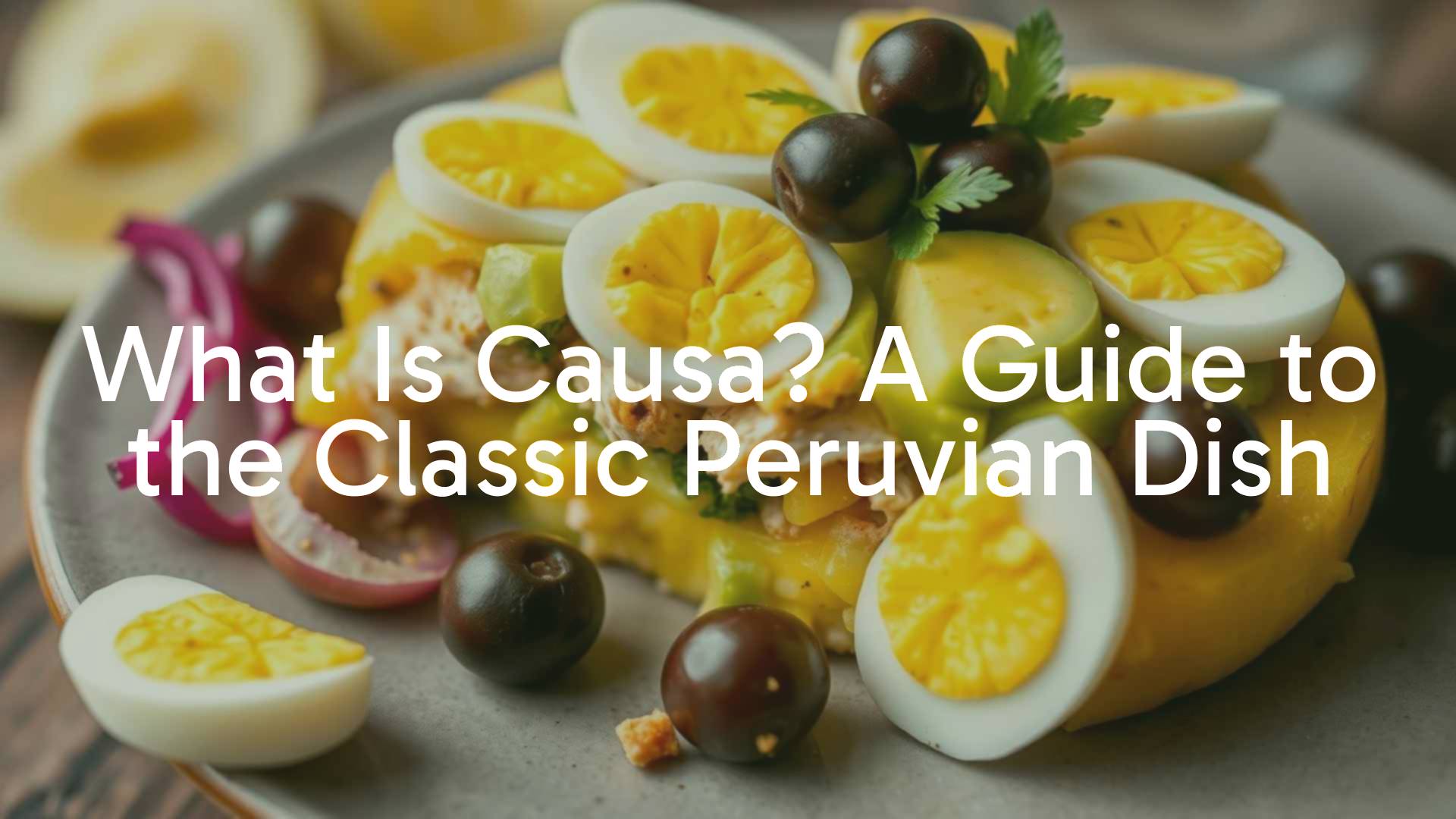
The fillings can differ, but traditional ones usually include shredded chicken or tuna mixed with mayonnaise, sometimes with slices of avocado. People also add hard-boiled eggs and black olives for extra taste and color. Causa is also topped with a little mayonnaise for smoothness. While the ingredients are simple, together they’re very flavorful, showing how basic foods can be combined with great results.
Origin and History of Causa
Causa has a long history going back to ancient Peru, showing both local and foreign influences over time. By learning about causa’s beginnings, you can better appreciate its role in Peruvian culture today.
This dish is a good example of how food connects people to their history and traditions, moving from a basic meal to a true symbol of Peruvian identity.
Cultural Roots of Causa in Peru
The early form of causa comes from pre-Columbian Peru. Back then, people used native yellow potatoes, which they mashed with spicy chili peppers. They called it “kausay,” which meant “food that is needed for life,” and this word was often used for the potato itself.

Later, when the Spanish brought new foods to Peru between the 16th and 19th centuries, people started adding ingredients like lemon, which changed and brightened the taste. This mix of native and introduced ingredients reflects how different cultures contributed to Peruvian food.
Etymology of the Term Causa
The name “causa” likely comes from the Quechua word “kawsay,” which means “essential food” or “life.” This refers to the importance of potatoes in Andean diets.
There’s another story, too. During Peru’s wars for independence, people say that Peruvian leader José de San Martín encouraged everyone to help “the cause” by making food for soldiers, mainly using potatoes. The dish prepared for “the cause” became known simply as “causa.” This link to national causes and support remained strong, especially through later wars. Either way, for many Peruvians, the name connects the food to a feeling of unity and support for the country.
How Causa Has Changed Over Time
At first, causa was just potatoes mashed with chili. Over time, as new foods like lemons and other vegetables became available under Spanish rule, people began including more fillings and flavors. The potato mix became tangier and the fillings more varied.
Today, besides the original chicken or tuna, people use fish, seafood, and even vegetables as fillings. Adding mayonnaise made the dish creamy, and avocado gave it a new layer of taste. The way causa is presented also developed-from a rustic dish to a more decorative, layered structure you’ll often see in restaurants. This journey shows how Peruvian cuisine changes while still remembering its roots.
Main Ingredients Used in Causa
Causa’s taste and texture come from a few main ingredients that work well together. Each part adds something special-earthiness, spice, sharpness, or creaminess-to make the dish complete. Knowing these key parts can help you make or enjoy causa at its best.
It’s this simple mix that raises causa from just mashed potatoes to something special in Peruvian food.

Potatoes as the Base
Potatoes are the main part of causa. While you can use any kind, the most common in Peru is the yellow potato. These are chosen for their soft, slightly waxy texture that holds its shape. The potatoes are boiled, mashed-usually with a ricer for smoothness-and mixed with oil, lime, and chili paste.
Outside Peru, Yukon Gold or Russet potatoes can be used. If you use Russets (which can be wetter), it’s helpful to bake them instead of boiling to keep the mash dry and moldable.
Role of Ají Amarillo
Ají amarillo, a yellow chili pepper from Peru, gives causa its mild spice and fruity flavor. Even though it’s called yellow, it really looks orange. The chili is used in a paste form and delivers taste without being too hot. Usually, seeds and veins are removed and peppers are boiled to lower their heat before being mashed into a paste.
Fresh or ready-made paste can be added to the potatoes a little at a time, depending on how spicy you want the dish. Ají amarillo is key for giving causa its genuine Peruvian flavor.
Different Fillings: Chicken, Tuna, Seafood, Vegetables
The base of potato and chili always stays, but the filling allows for flexibility. Many people use shredded chicken or canned tuna with mayonnaise, which makes it creamy and adds protein. Other common fillings include avocado, hard-boiled eggs, or black olives.
Seafood is popular, especially in coastal areas, so shrimp, crab, or octopus are sometimes used. If you want a vegetarian or vegan option, try chopped eggs, cooked vegetables like carrots and peas, or vegan mayonnaise and avocado. Because the fillings can change, causa can fit almost any diet.
| Ingredient | Role in Causa |
|---|---|
| Yellow potatoes | Main potato layers, soft yet firm base |
| Ají amarillo | Mild spice and distinctive flavor in the potatoes |
| Lime juice | Gives a fresh tang to the potato |
| Oil | Adds smoothness to the mash |
| Mayonnaise | Binds fillings and adds creaminess |
| Chicken, tuna, seafood, or vegetables | The filling-provides flavor variety and makes the dish filling |
| Avocado | Offers extra creaminess and color |
| Hard-boiled eggs and black olives | Main toppings and garnishes |
Popular Causa Variations
Causa comes in many styles, shaped by local ingredients, tastes, and creativity. The potato base and a tasty filling are always there, but the type of filling and presentation can change, offering new flavors and looks every time.
This flexibility keeps causa interesting and accessible for different meals and people, showing how a classic can grow and suit modern tastes.
Causa Limeña
This is the most recognizable form of causa and comes from Lima, Peru’s capital. In Causa Limeña, the potato layers are bright yellow with chili and lime, and the filling is usually shredded chicken, tuna, or seafood with mayonnaise. The dish is often built in a rectangular or round mold, with layers of potato, filling, and sliced avocado. Garnishes usually include hard-boiled eggs and olives for taste and decoration.

Causa de Pollo
Causa de Pollo means “chicken causa.” Here, the filling is shredded chicken and mayonnaise, which is mild and loved by many people. Often, a bit of onion or celery is added. Its gentle flavors make it welcoming to many, especially families or those new to Peruvian cooking.
The chicken is usually boiled and shredded before mixing with mayonnaise, then layered with potato and avocado for a soft and flavorful dish.
Seafood Causa
Thanks to the coast, seafood versions of causa are common in Peru. Shrimp, crab, or octopus are used, often mixed with mayonnaise or another light dressing. Tuna causa, using canned tuna, is also a classic. These seafood fillings give the dish a lighter, fresher taste compared to meat or chicken.
Vegetarian and Vegan Causa
Causa can be made vegetarian or vegan very easily. For vegetarians, hard-boiled eggs and mayonnaise work as a filling, possibly with onions or tomatoes. Vegans can use cooked vegetables (like carrots and peas) mixed with vegan mayonnaise. The potato layer is already plant-based, and avocado always adds creaminess and color. These versions make it possible for almost anyone to try this dish at any meal.
Causa in Peruvian Culture Today
Today, causa is still a key part of life in Peru. It’s no longer just a source of food but is often seen as a symbol of national pride. People eat it every day and also serve it during festivals, family parties, and on restaurant menus both small and fancy. Its appeal comes from its bold taste and ability to adapt to changing trends while keeping its strong link to tradition.
Role of Causa in Peruvian Cooking
Causa holds a valued spot in Peruvian cooking. It’s a staple appetizer and an easy way to introduce people to local flavors. It balances fresh, light tastes and works with almost any main dish. At home, families often make causa for meals or gatherings because it feeds many people and is easy to prepare.
Causa also blends native Peruvian crops and ingredients from other cultures, showing off the country’s mixed cooking style. It’s more than delicious-it tells a story of how Peru’s food brings people and influences together.
Causa at Events and Celebrations
Causa is often featured at big events in Peru. Its bright colors and tidy layers make it perfect for celebrations, whether for national holidays, birthdays, or community parties. It can be served family-style on large trays or in small, individual portions.

Because it’s served cold, it’s handy for outdoor or summer events as a cool, tasty option. Hosts can change the filling to suit everyone’s tastes, so everyone can enjoy it. With its cheerful look and flavors, causa always brings people together at any gathering in Peru.
