

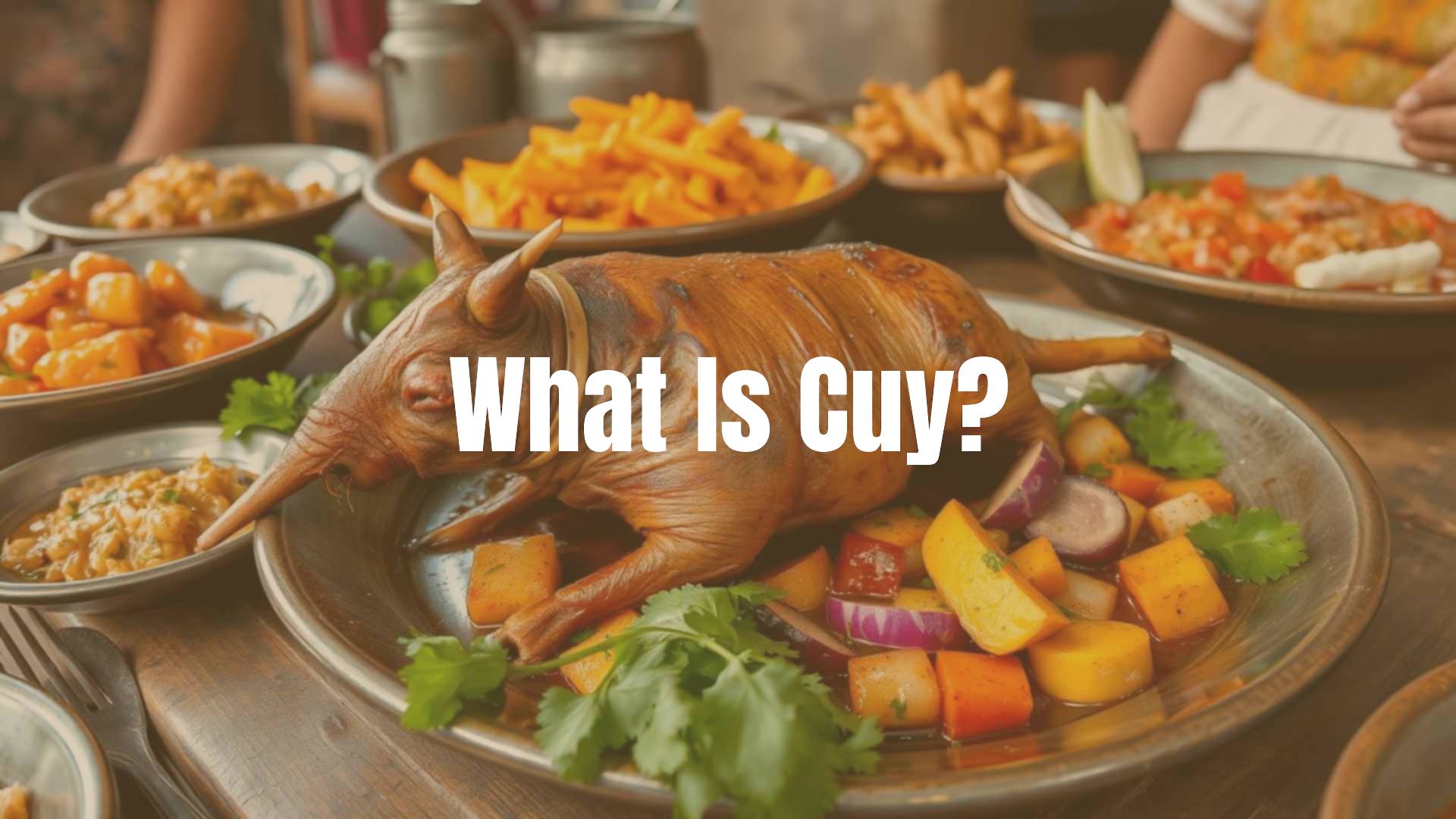
Cuy, or guinea pig, is a small domesticated rodent originally from South America and is especially important in the Andean region. In Western countries, guinea pigs are common pets, but in places like Peru, Ecuador, and Bolivia, they have long been a traditional and valued food. Cuy has been part of the Andean diet for thousands of years, dating back before the time of the Incas, around 5000 BC.
This article explains different aspects of cuy, including its biological features, its role in Andean history and culture, its use in cooking, and its place in science and modern culture. You’ll see why this small animal is so meaningful and popular among Andean people-both in daily life and special events.

What Is Cuy?
Cuy (pronounced “coo-ee”) is how people in the Andes refer to the domestic guinea pig. In these countries, the name has much more meaning than in English-it stands for not only an animal but a food tradition, a cultural symbol, and a way to earn a living. Despite its English name, guinea pigs aren’t from Guinea, and they aren’t pigs either. This mix-up often interests those new to the Andean version of this animal.
Naming and Origins
The word “cuy” probably comes from the squeaking sound they make: “kwee, kwee.” The animal’s scientific name is Cavia porcellus. “Cavia” comes from the Galibi word “cabiai” from French Guiana. “Porcellus” means “little pig” in Latin, likely because of its rounded body and pig-like sounds. Other names include “cavy” or “cobayo” in Spanish, and “quwi” or “jaca” in Quechua.
The English name “guinea pig” is confusing. One idea is that it’s a mistake from “Guiana” (a South American region). Another is that they were sent to Europe through Guinea. In general English, “guinea” was a term for a distant place. The “pig” part might be because of their looks, noises, or the way they are kept. Older English texts even called them “pig coneys,” connecting them to rabbits.
Classification
Guinea pigs are rodents of the genus Cavia in the family Caviidae. While some scientists once questioned this classification, most now agree that guinea pigs are rodents. The domestic guinea pig, Cavia porcellus, does not live in the wild. Studies show that today’s guinea pigs come from wild cavy species still in South America, like C. tschudii, C. aperea, and C. fulgida. This shows the modern guinea pig is a result of many generations of domestication by Andean people for food purposes.
Cuy in Andean Culture and History
Cuy is deeply woven into the history and daily life of the Andes. It has been valued far longer than most new foods, and plays a role in food, ritual, and identity.
History of Cuy Use
People began raising guinea pigs for food as early as 5000 BC in areas now known as Colombia, Ecuador, Peru, and Bolivia-before the domestication of llamas and alpacas. For the Incas and earlier groups, cuy was a reliable source of protein, easy to keep on small farms. Ancient Peruvian art frequently shows guinea pigs, showing their importance in daily life and religion. Breeding for different varieties started well before the arrival of Europeans.
Traditional Uses Beyond Food
Cuy was more than a meal. It was also eaten during special celebrations and offered to gods as a sacrifice. In folk medicine, healers used guinea pigs to identify illnesses, sometimes rubbing them over the sick person’s body to draw out sickness. Black cuy were thought to be the best for these practices, and in some cases, the animal’s body was examined after the ritual to check for disease. These traditions still exist, especially in places where people don’t trust or can’t reach hospitals.
Role in Festivals and Community Events
Cuy is also the focus of many festivals. For example, a famous painting in Cusco’s main cathedral shows Jesus and his disciples eating guinea pig at the Last Supper. In some Peruvian villages, people celebrate a festival called jaca tsariy that combines Catholic and old local beliefs, with guinea pigs as centerpieces in giving and games. In Ecuador, guinea pigs are a highlight of the Corpus Christi holiday. There are also festivals in places like Churin where cuy are dressed up for competitions-many of these events end with communal meals featuring guinea pig. National Guinea Pig Day is celebrated in Peru on the second Friday in October.

Biology and Features of Cuy
Guinea pigs have traits that make them well-suited to their environments and lifestyles, whether wild or living with people.
Physical Description
Guinea pigs are fairly large for rodents. Adults usually weigh 0.5-1.2 kg (1-2.5 lbs) and are 20-40 cm (8-16 inches) long, though breeds raised for meat can get up to 3 kg (about 6.5 lbs). They usually have fur, ranging from short to long and smooth, depending on the breed. Their front and back teeth keep growing, so they need to gnaw often to keep them short. Cuy have rounded bodies, short legs, and no tail. It is hard to tell males from females just by looking, apart from size.

Behavior and Social Life
Wild guinea pigs form small groups-usually one male, several females, and their young. They eat grass and hide in shelters or burrows made by other animals. They don’t build their own nests. Most are active at dawn and dusk, helping them avoid predators. If scared, they might freeze or dash for cover, and groups often scatter in all directions at a threat.
Guinea Pig Sounds
Guinea pigs use sounds to talk with each other:
- “Wheek”: A loud whistle, usually when hungry or excited.
- Purring: A soft sound when happy or relaxed.
- Rumble: A deeper sound; at times this shows dominance or, if high-pitched, fear.
- Teeth Chattering: A warning or sign of annoyance.
- Squeal or Shriek: A sign of pain or distress.
- Chirp: A rare sound, similar to a bird, often when stressed.
Breeding and Life Span
Guinea pigs breed quickly. Males mature at about 3-5 weeks, females at 4 weeks. Females can have babies all year, often up to five times a year. Pregnancy lasts 59-72 days, and the babies are born with fur and open eyes, ready to move right away. Litters usually have 1-6 pups, though more are possible. Sometimes, females in the same cage will help nurse each other’s young. Pregnant females can face serious health risks, especially if they haven’t given birth by six months, as their pelvic bones can fuse, which may cause problems during birth and even death.
Cuy as Livestock: How They Are Raised
In the Andes, people raise cuy for food because they reproduce quickly and don’t need much space, making them easy to care for compared to larger animals.
Farmed vs. Wild Guinea Pigs
Domestic guinea pigs do not live wild-they are products of selective breeding meant for food. While wild cousins still live in South America, farmed cuy are bigger and grow faster for the table. Peruvians usually see cuy only as food, not as pets. Raising them costs little and they need minimal space, so it’s a practical choice for many families and small farmers. They are sold at markets across the Andes.

Diet and Nutrition
Guinea pigs primarily eat grass, which suits their teeth and digestion. On farms, they eat hay and pellets. Alfalfa is given to young or nursing cuy, but too much can cause health issues in adults. Guinea pigs cannot make their own vitamin C and must get it from their food, so their diet includes vegetables, fruit, or vitamin C supplements. Poor diets can cause disease, muscle problems, or dental issues.
| Safe Foods | Foods to Avoid |
|---|---|
| Hay (timothy, alfalfa), grass, carrots, celery, spinach, apple, broccoli | Iceberg lettuce, rhubarb, processed foods, junk food |
Health and Disease
Guinea pigs tend to hide illness, making it hard to spot problems early. Common issues include respiratory infections, diarrhea, vitamin C deficiency, and skin parasites from mites and lice. Good care includes clean housing, a healthy diet, and routine health checks. Wire bottom cages can hurt their feet, so a solid base is better. They are sensitive to certain antibiotics that can upset their stomachs, so medical treatment should be handled with care.
Housing
Cuy need enough space to move around, with solid flooring and safe bedding. Softwoods like cedar or pine should be avoided as their oils can harm guinea pigs; alternatives are aspen or paper bedding. Their cages should be cleaned often, and the animals do best in temperatures between 18-24°C (65-75°F) and moderate humidity. High heat can make them sick.
Breeding Programs
In Peru and nearby countries, research centers have worked to produce better meat guinea pigs, like the large cuy mejorados. La Molina National Agrarian University developed breeds that grow quickly and reach big sizes. This helps farmers earn more and provides a reliable protein source for communities. These efforts have influenced guinea pig farming in other developing regions, too.
Cuy as Food: How It’s Eaten
For many, eating guinea pig is unfamiliar, but in the Andes, it is normal and even a treat. Below is an overview of its taste, dishes, and where you can find it.
What Does Cuy Taste Like?
People who try cuy say it tastes somewhat like a cross between chicken and rabbit, but a bit fattier and with a slight wild or earthy flavor. It is high in protein and low in fat, often compared to dark turkey meat. The taste can differ depending on how it is cooked.
Regional Cooking Styles
Cuy is common in the Andes, with each country and area having its own recipes. In Peru it is especially important in the highlands, and in Ecuador it’s often served at large gatherings or on special days. Some modern chefs include cuy in creative “New Andean” dishes that mix old and new cooking methods.
Common Ways to Prepare Cuy
- Cuy al Horno (Roasted): Roast the whole animal in an oven or over an open fire, seasoned and served with potatoes and onion relish.
- Cuy Chactado (Fried): Butterfly the guinea pig, coat it in flour, and deep-fry it until crisp. Often served with fries and sauces.
- Cuy al Palo (On a Stick): Season, stuff, skewer, and grill over a fire, often during festivals.
- Picante de Cuy: Fried with spicy pepper and served with potatoes-many local variations exist.
- Pepian de Cuy: Cooked in a peanut sauce stew, usually with rice and salad.
- Pachamanca: Cooked underground with hot stones along with other meats and vegetables-great for family gatherings.
- Chiriuchu: A festive plate from Cusco that includes baked guinea pig among many other foods, served especially during June festivals.

Simple Recipe: Cuy al Horno (Roast Guinea Pig)
- Clean and gut the guinea pig.
- Soak in water with lime juice, then dry it thoroughly.
- Season with salt, pepper, cumin, and garlic-rub well into the skin.
- Coat lightly in cornmeal and roast or fry until golden and crispy.
- Serve with potatoes and onion relish-or dip in spicy Peruvian sauces.
Other Cooking Tips
You can also cook cuy by grilling, broiling, or using it in stews. Many restaurants in Peru offer creative versions, like Peking-style guinea pig, or fry it with Chinese-style sauces. The meat is lean, so avoid overcooking to keep it moist. The skin should be crisp and the meat juicy.
Where to Eat Cuy
Cuy can be found in traditional restaurants called cuyerías-mainly in the Andean highlands around cities like Cusco and Arequipa. These places often serve several styles of cuy and are where locals eat out. For travelers, some tourist restaurants will carve the animal in the kitchen and present just the meat, while others show the whole animal for a photo and then serve it sliced.
Buying and Preparing Cuy at Home
If you want to cook cuy at home, you need to know where to buy it and how to care for the meat.
Finding Cuy
In the Andes, cuy is easy to find in markets and fairs. Outside South America, it’s rare-you may need to look for it in specialty butcher shops, online meat vendors, or ethnic markets, often frozen and whole.
Storing the Meat
Fresh cuy should be kept cold, sealed in containers or bags. It will last about a week refrigerated. If not using right away, freeze the cuy in airtight packaging to keep it good longer.
Getting Cuy Ready to Cook
If the cuy still has hair, remove it. Make sure it’s gutted and cleaned. Many suppliers sell it already skinless and ready to season. A wash with lime water and air/oven drying helps develop tasty skin. After seasoning, you can choose your preferred cooking method. It goes well with potatoes, corn, and spicy sauces.
Cuy in Modern Times: Pets, Research, and Culture
Cuy is still important in the Andes for food and tradition, but it also plays roles as a pet and in science around the world.
Cuy as Pets
In the Western world, guinea pigs are popular pets, partly due to their gentle nature, easy care, and their reaction to being handled (many “wheek” happily when their owner is near). They do better in pairs or groups, so in some countries, it’s the law to own more than one. Pet guinea pigs need roomy cages with safe bedding, plenty of fresh hay for teeth and digestion, pellets, and daily vegetables for vitamin C.
- Grooming: Short-haired pets need a weekly brushing; long-haired types need daily care. Also, trim their nails regularly.
- Allergies: Some people are allergic to guinea pigs, with possible symptoms like sneezing or asthma.

Guinea Pigs in Science
Guinea pigs have long been used for research, which is why “being a guinea pig” means being a test subject. They helped in early studies of diseases, and because, like humans, they cannot make their own vitamin C, they are important in studies of nutrition and certain illnesses. They were even part of space missions carried out by the USSR and China. Their DNA was sequenced in 2008, helping in genetics and disease research.
Guinea Pigs in Popular Culture
Guinea pigs appear in books and movies, such as in Alice’s Adventures in Wonderland, The Magician’s Nephew, and films like Dr. Dolittle and G-Force. They are also used in TV shows and advertising, showing their appeal as cute and friendly animals.
Cuy Compared to Other Small Mammals
People often compare cuy with rabbits, as both have been kept as pets and food animals for many years.
| Feature | Cuy (Guinea Pig) | Rabbit |
|---|---|---|
| Appearance | Short ears, rounded body, small | Long ears, bigger size, hops |
| Classification | Rodent | Lagomorph, not a rodent |
| Vitamin C Needs | Cannot make their own, must get from food | Can make their own |
| Meat | Lean, dark, slightly gamey | Lean, mild, similar to chicken |
| Preparation | Often roasted or fried whole | Commonly stewed or roasted in pieces |
Cuy and rabbits may seem similar because both breed quickly and are easy to raise, but they have different dietary needs and risks-especially if housed together.
To sum up, cuy (guinea pig) is not just a pet-it is a valued source of food, a figure in traditions, and useful in science. From ancient communal meals to today’s kitchens and laboratories, it continues to connect people and cultures, offering nutrition and meaning to millions across the globe.
