

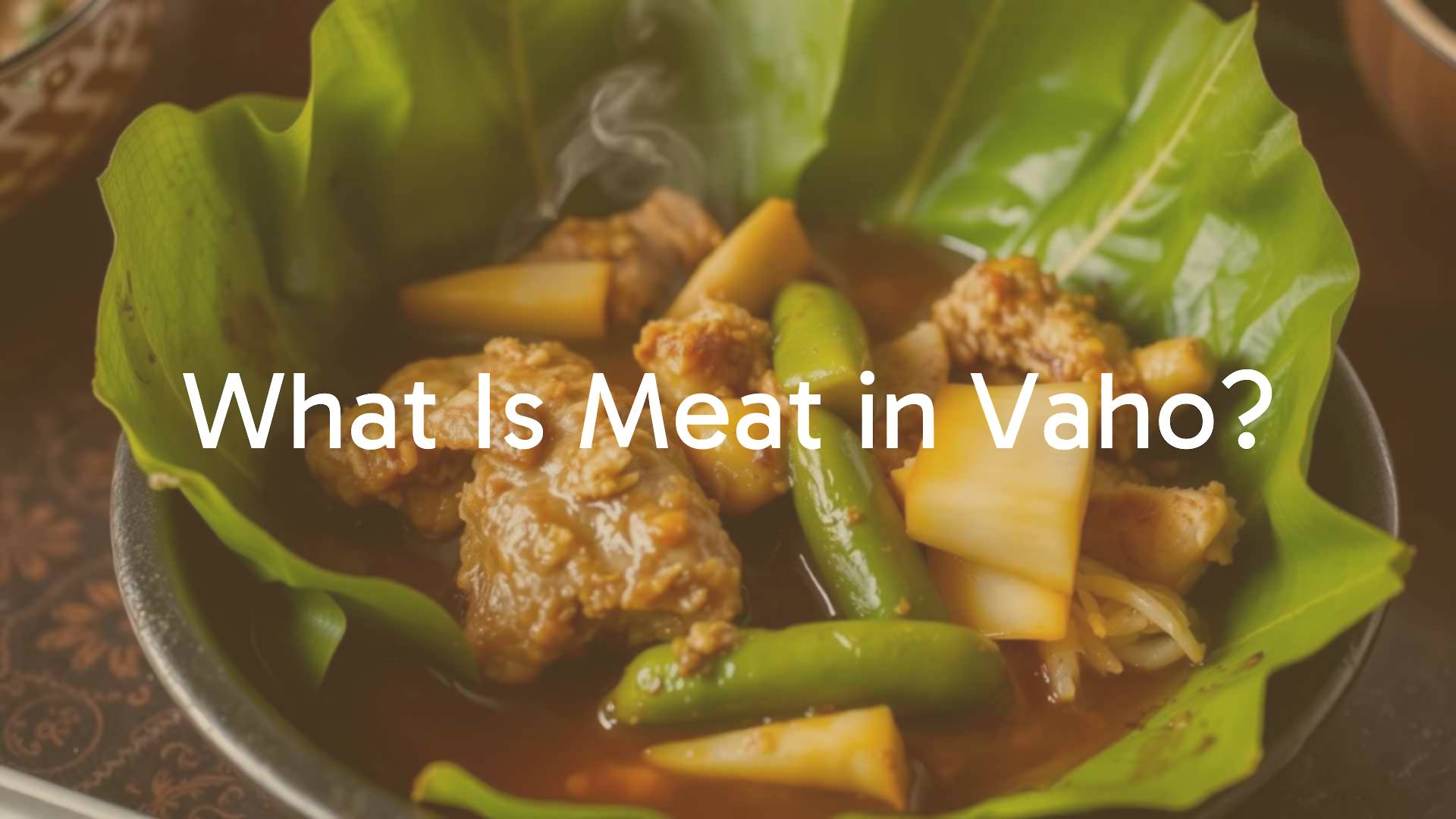
“Meat in vaho” is a well-known Nicaraguan dish also called Vaho or Baho. It combines meat, green plantains, and yuca, all steamed together inside banana leaves. This dish is a big part of Nicaraguan food culture and is often enjoyed at family gatherings and on special weekends.
The way Vaho is cooked is what makes it unique-ingredients are wrapped in banana leaves and then steamed over low heat. The word “vaho” actually means “steam” or “mist” in Spanish, describing how the dish gets its tender texture and flavor. Vaho is usually made in large batches for shared meals, bringing people together and showing the importance of tradition in Nicaragua.

History of Vaho
Vaho comes from a blend of different cultures in Nicaragua, including Indigenous, mixed (mestizo), and Afro-Nicaraguan backgrounds. This dish shows how people brought together their own ways of cooking to create something special over time.
Using banana leaves to cook food is common in warm climates. The leaves keep food moist, add a light flavor, and make for a natural “steamer.” Vaho is usually made over a wood fire, showing a slower, more community-driven way of preparing meals.
Origin of the Name Vaho or Baho
The name “Vaho” or “Baho” comes from the Spanish word for “steam” or “mist,” which perfectly describes the cooking process. When vaho cooks, steam rises as meat, plantains, and yuca soften and release their flavors into each other. This gentle steaming is what makes the dish special, giving it a softness and deep taste that isn’t possible with other cooking methods.
The spelling sometimes changes (vaho, baho, vajo, or bajo) because of how people say it in different regions. No matter the spelling, it always refers to the slow steaming inside banana leaves that makes this dish so loved.
Which Meats Are Used in Vaho?
When talking about the “meat in vaho,” beef brisket is usually what people use, though other types of meat can work too. The meat needs to hold up well to long cooking and pick up lots of flavor during steaming.
Traditional Beef Cuts
Beef brisket, called “tapa barriga” in Nicaragua, is used for its mix of meat and fat. Brisket becomes very tender during steaming and adds rich flavor to the whole dish. It’s often marinated the night before to let the flavors get deep into the meat. The fat is important; as it melts, it keeps the meat moist and flavors the plantains and yuca as they steam underneath.
Other Meat Options
While brisket is the main choice, sometimes people use other meats like veal liver or corned beef. These give the dish a different taste and texture. The most important thing is to use a cut of meat that can handle several hours of steaming without falling apart too much but still turning soft.
Why Beef Is the Best Choice for Vaho
Beef brisket is chosen because its fat melts slowly, keeping the meat juicy. This fat also shares its taste with the plantains and yuca. Brisket is tough if cooked fast but turns very soft and flavorful after long, slow cooking. The typical four-hour cooking time helps the brisket turn truly tender, making it a good scientific match for this dish.
How Is Meat in Vaho Prepared?
Making Vaho is a careful, hands-on process that usually starts the day before you eat it. The long marinating and steaming steps are both important for getting the right taste and feel.
Main Ingredients of Vaho
- Beef brisket
- Green plantains
- Yuca (cassava)
- Banana leaves for steaming
- Marinade: tomatoes, green peppers, onions, garlic, orange juice, lime juice (or bitter orange), and salt
- (Optional) Ripe plantains or bananas for sweetness

The fresh vegetables and citrus juices in the marinade help soften the meat and add a bright, fresh taste. This mix is what gives Vaho its signature flavor.
Why Banana Leaves and Veggies Are Important
Banana leaves are not just for wrapping. They make a natural “lid,” keeping in steam and giving a gentle taste to all the ingredients. The leaves stop food from touching water, so it gets steamed, not boiled. This keeps everything tender and ensures flavors mix without getting soggy.
A stack of banana leaves lines the pot and lifts the food above the water. Meat, plantains, and yuca are layered inside, and any extra marinade and vegetables are poured over the top. This keeps everything juicy as the dish cooks.
Cooking Steps
- Marinate the brisket overnight with the chopped marinade ingredients.
- Add water to a big pot and place a rack or balled-up foil at the bottom.
- Line the pot with banana leaves, leaving some hanging over the edges.
- Add green and/or ripe plantains first, then the marinated brisket, followed by yuca.
- Pour any leftover marinade and veggies over top.
- Fold banana leaves over everything and cover with a lid.
- Bring to a boil, then lower the heat and simmer for about 4 hours, adding water as needed so it doesn’t dry out.
- When finished, serve on fresh banana leaves with cabbage salad.

Tips for Great Meat in Vaho
Getting soft, flavorful meat in Vaho means paying attention to a few important steps. Skipping these can lead to dry, chewy meat or bland food.
Things to Watch Out For
- Don’t rush marinating; overnight marination gives the best results for tender meat and bold flavor.
- Make sure to seal the banana leaves well to trap steam-holes or gaps will let the dish dry out.
- Check the water level while the dish steams. Add hot water as needed so the bottom doesn’t burn and everything stays moist.
Advice for Tender Meat
- Use brisket if possible; its mix of fat and tough meat is perfect for steaming.
- For the most traditional taste, use bitter oranges in the marinade. If those aren’t available, a mix of orange and lime juice, with a bit of vinegar if needed, will work.
- Layer plantains at the bottom, then meat, then yuca, so juices flavor the whole dish from top to bottom.
- Be patient! Don’t lift the lid too often or you’ll lose steam and slow down the cooking.
Taste and Texture: What to Expect from Vaho Meat
Vaho offers a unique mix of flavors and textures thanks to its steamed preparation. The meat and vegetables become soft and flavorful, and the taste is both bold and balanced.
How Steaming Changes the Meat
Steaming in banana leaves softens tough cuts like brisket. Heat and moisture slowly break down this meat, making it easy to pull apart but not mushy. This method lets meat soak up flavors from the marinade and the banana leaves. The fat melts slowly, keeping everything nice and juicy.
Flavor and Smell
Vaho meat is tangy from the citrus marinade, savory from onion and garlic, and just a bit sweet if you add ripe plantains. The banana leaves give a light, earthy perfume. Serving it with cabbage salad adds a crisp, tangy crunch that balances the rich meat and soft plantains and yuca.

Nutritional Facts and Special Diets
Vaho is filling and hearty, with a mix of protein, fats, and carbohydrates. It fits some diets well but may need changes for others.
Protein and Fat Details
| Nutrient | Main Source | Note |
|---|---|---|
| Protein | Beef brisket | Good for muscle repair |
| Fat | Beef brisket | Makes the dish rich but also high in calories |
| Carbohydrates | Yuca, plantains | Long-lasting energy |
| Vitamins, fiber | Vegetables in marinade | Balance out the dish |
Who Can Eat Vaho?
- Gluten-free: Yes, if traditional ingredients are used.
- Dairy-free: Yes, unless modern recipes add dairy.
- Low-fat/low-salt: Needs changes, e.g., using leaner beef and less salt.
- Vegetarians/vegans: Not suitable unless using meat alternatives like jackfruit or mushrooms.
Common Variations and Local Styles
Though Vaho is usually made one way, some cooks like to change things up, especially based on what meat or vegetables they have.
New Takes on Vaho
- Other meats like pork or chicken are sometimes used but change the taste and texture.
- Extra seasonings (like paprika or cumin) might be added in modern recipes.
- Some cooks use a pressure cooker or slow cooker instead of the traditional big pot to save time.
Regional Choices in Meat
Most Nicaraguans stick to brisket, but in some areas, other meats are used if they are easier to find or cheaper. The main thing that stays the same is the steaming in banana leaves with yuca and plantains-this is what makes Vaho, no matter what meat is used.
Vaho brings people together and highlights the value placed on value placed on community meals in Nicaragua. Whether made the traditional way or with a few updates, the dish always stands out for its soft meat, mixed flavors, and the warm feeling of sharing food with others.
