

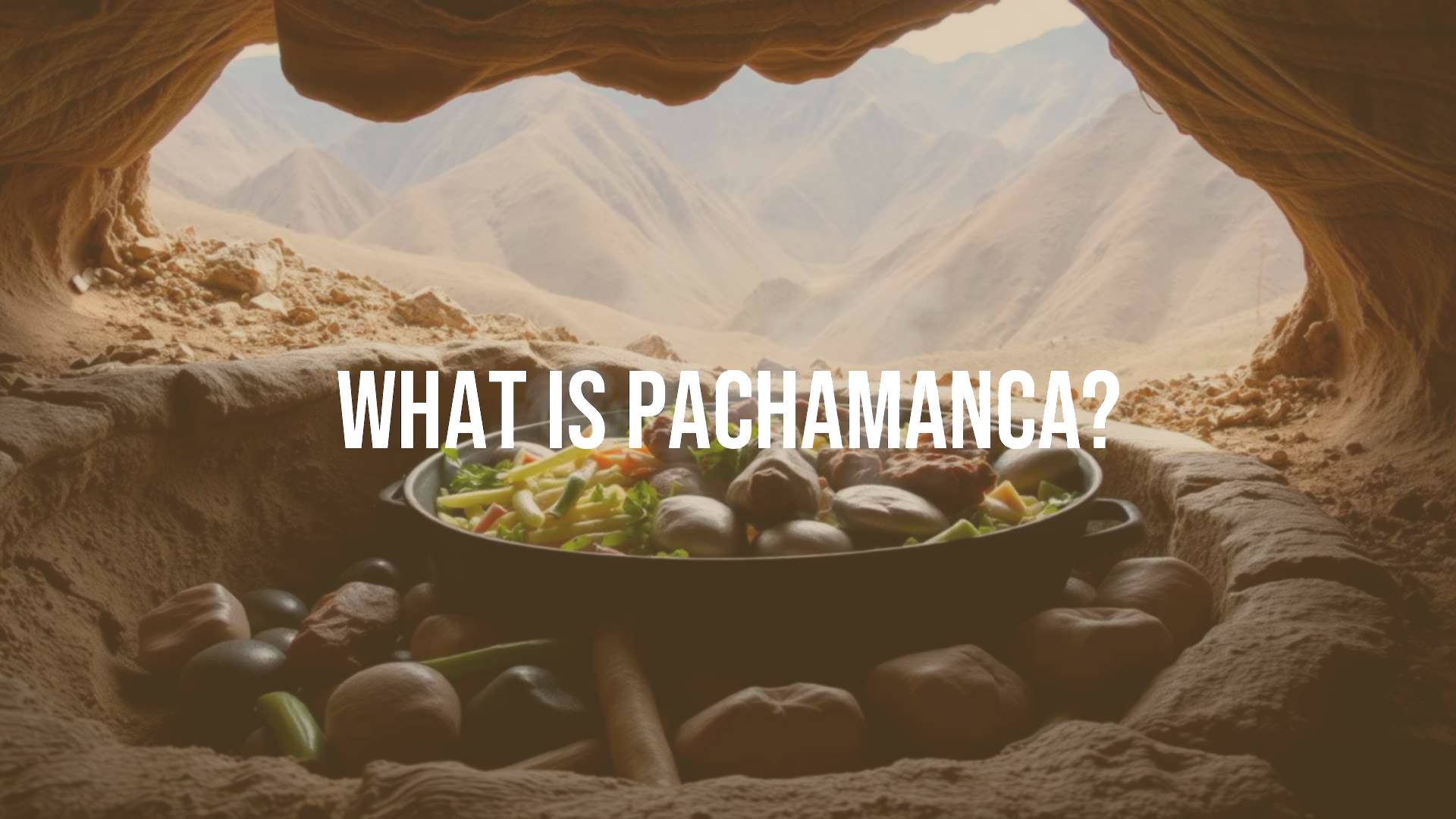
Pachamanca is more than a dish-it is an old Peruvian tradition that brings people together to cook and celebrate. At its core, Pachamanca is a classic Peruvian meal where meats and native vegetables are marinated and cooked underground using hot stones. This cooking style gives the food a special earthy flavor. Cooking Pachamanca is an important event in the Andes and a way for people to stay connected with their heritage and the land. Though making it involves digging a pit and heating stones, the result is a shared meal that is both delicious and meaningful.
The practice of Pachamanca comes from times before the Incas, and it has stayed much the same for thousands of years. The process shows how ancient people figured out smart ways to cook with what they had, always showing a strong respect for nature. Making Pachamanca can be a big job, but the community effort and the tasty outcome make it worthwhile. It’s a great example of how food can bring people together and preserve old customs.

What Does Pachamanca Mean?
The word “Pachamanca” comes from the Quechua language. It is made up of two words: “pacha” means “earth,” and “manka” means “pot.” So, Pachamanca means “earth pot” or “earthen pot.” This fits well because the dish is cooked in a pit dug into the ground, covered with stones and earth to make a natural oven.
The name shows the strong link between this meal and the earth. Cooking food in the ground is not just about the method-it also shows a belief in working with nature and honoring Pachamama, or Mother Earth, a very important figure in Andean beliefs.
Key Characteristics of Pachamanca
- Earthen oven (huatia): Food is cooked with hot stones inside a pit in the ground, not over open fire.
- Community celebration: Pachamanca is usually made for big events like family gatherings, festivals, weddings, and birthdays. The preparation is done together, making it a shared activity.
- Traditional ingredients: Different types of meat-such as lamb, pork, chicken, beef, alpaca, or guinea pig-are used, all marinated with herbs and spices. The dish also includes Andean vegetables like potatoes (in many colors), sweet potatoes, fava beans, corn, and sometimes fruits like plantains and pineapples.
- Slow cooking: The food cooks slowly with heat from stones, making everything tender and full of flavor.
Origins and Cultural Importance
Pachamanca has deep roots in Andean history and tradition. It is not just about cooking food, but about keeping old customs alive and showing respect for nature. The use of earth ovens in the Andes dates back 7,000 to 8,000 years, making Pachamanca one of the oldest known cooking methods still used today.
Pachamanca in Inca and Andean Traditions
For the Incas and earlier people, cooking in the earth was a special way to thank nature. The whole process-from picking stones to layering the food-was considered important, even sacred. In many places today, some customs remain unchanged, such as having a godmother and godfather help with the ceremony by placing a cross and flowers on the buried food during festivals.
Role in Festivals and Gatherings
Pachamanca is made for special events like festivals, holidays, and family celebrations, mostly in the Andes. Since it’s a big job, it’s usually done when many people are coming together. While the food cooks underground, people enjoy talking, playing music, and waiting for the meal. The excitement builds until it is time to dig up the meal and share it.
Symbolism and the Connection to Pachamama
Pachamanca symbolizes the connection between people and the earth. Burying food in the ground and using stones (which can stand for the Sun God) is a way to thank nature and return something to it. When the food is ready and uncovered, it’s viewed as a gift from Mother Earth. The meaning behind Pachamanca stretches beyond just eating-it’s a way to honor and work with the environment.

Classic Pachamanca Ingredients
The special flavors of Pachamanca come from the ingredients used. While details can change from place to place, the main foods represent the best of what grows in the Andes.
Common Meats in Pachamanca
| Meat Type | Where Common | Notes |
|---|---|---|
| Lamb | Mantaro Valley | Often marinated overnight |
| Pork | Upper Huallaga valley | Cut into thick pieces |
| Chicken, Beef | Many regions | Common choices |
| Alpaca, Guinea pig | High Andes | Traditional Andean meats |
Native Tubers, Vegetables, and Corn
- Potatoes (many Andean types, including purple and pink)
- Sweet potatoes, mashua, oca, ulluco
- Fava beans (often in pods), cassava (yucca), yacon
- Corn, often on the cob or used as humitas (corn cakes)
Marinade Herbs and Spices
- Huacatay: a local mint with a strong aroma
- Chincho: another fragrant Andean herb
- Garlic, cumin, chili peppers (like aji panca), and salt
- Liquids: sometimes vinegar, black beer, lemon or orange juice, or chicha (a fermented corn drink)
How Pachamanca Is Made: Step by Step
Making Pachamanca follows a series of traditional steps, often involving many people working together.
1. Build the Oven and Heat the Stones
- Dig a shallow pit in the ground (about 10 cm to several feet deep, depending on how much food you’re making).
- Line the hole with hard stones (usually volcanic).
- Build a wood fire inside and keep it burning for about an hour until stones become very hot and start to turn white.
2. Prepare and Marinate Food
- Cut meat into chunks (about 1-2 kg and 2 inches thick is typical).
- Marinate overnight in herbs, spices, and liquids; poke with a fork to let flavors in.
- Wash and prepare potatoes, corn, beans, and any other vegetables.
3. Layer Ingredients in the Pit
- Remove the wood after the stones are hot and lay some stones on the pit bottom.
- Add ingredients in layers: first tubers, then more stones, then meats, then more stones again. Place quicker-cooking foods closer to the top.
- Pour marinade juices over the meat for steaming and flavor.

4. Cover the Pit and Cook
- Place herbs like muña or huacatay, and sometimes grass, over the food to keep soil out and add taste.
- Cover with a sack, cloth, or plastic, then pile on soil (about 5 cm). This seals in the heat and steam.
- Cook for 45-60 minutes. While waiting, people gather, talk, and celebrate.
5. Uncover and Serve
- Carefully dig away soil, cloth, and herbs. Remove the food with gloves or utensils, as everything will be very hot.
- Serve immediately, usually at large tables with salads, sauces, and drinks like chicha or beer.
Pachamanca Variations
Pachamanca recipes change from one region to another in Peru. Each area uses meats, vegetables, and seasonings that are common locally.
Regional Styles in Peru
| Region | Main Meats | Main Flavors | Firewood Used |
|---|---|---|---|
| Huánuco / Pasco (Central Andes) | Pork | Chincho, huacatay | Various |
| Mantaro Valley | Lamb | Local herbs | Various |
| Ayacucho | Beef, pork, chicken, more | Chili, garlic, cumin, spinach | Molle, huarango |
| Junin | Guinea pig, alpaca, others | Red chili, chincho | Eucalyptus, retama |
| Cusco | Pork, mutton | Huacatay, chincho | Various |
| La Libertad | Mutton, plantains | Chili, chicha de jora | Carob tree |
| Ancash | Pork, beef, chicken, more | Garlic, green chili, huacatay | Eucalyptus, molle |
Pachamanca a la Olla (Pot Method)
If you don’t have space for an earth oven, it’s possible to make “Pachamanca a la Olla” in a traditional pot on a stove. The layers and ingredients stay mostly the same. Put herbs and a bit of water at the pot’s bottom, then add marinated meat and vegetables in layers, separating them with corn husks if possible. Cover tightly and cook slowly, letting the steam do the work. This version brings Pachamanca flavors to city kitchens everywhere.

Pachamanca in Peru Today
Pachamanca is still a big part of Peruvian culture. While the dish comes from the mountains and rural areas, it is now known in cities and is popular with tourists. Many restaurants serve Pachamanca, and it is a highlight for visitors who want to taste real Peruvian flavors and learn about its traditions.
Best Places to Try Pachamanca
- Central highlands like Cusco, Sacred Valley, and Junin
- Ayacucho and Huánuco
- Farmhouse restaurants and rural communities
- Tour companies offer Pachamanca feasts during special tours, sometimes on organic farms or overlooking Inca ruins
These experiences often include seeing the cooking process and sharing food with the local community, making your visit both fun and educational.
Pachamanca in Tours and Trekking
Pachamanca is also part of many trekking and cultural tours in Peru, especially on trips in the Andes or to Machu Picchu. Sometimes, if pits aren’t allowed (like on the main Inca Trail), you’ll find the pot-cooked version. Either way, you get to enjoy the flavors and learn from local cooks-an important part of modern Peruvian food tourism.
Impact on Modern Peruvian Food
The techniques and ingredients of Pachamanca have influenced chefs across Peru. Many now use local roots, herbs, and slow-cooking styles inspired by Pachamanca. Even without the earth oven, ideas from this old tradition add to Peru’s reputation for great food, both at home and abroad.
Frequently Asked Questions about Pachamanca
Why Try Pachamanca?
- The flavors are deep and smoky-a result you can’t get from a regular oven.
- The cooking process involves everyone and tells a story about tradition and togetherness.
- You get to taste food prepared the same way people did thousands of years ago.
- It’s a good way to experience how Peruvians honor the land and their ancestors.
Is Authentic Pachamanca Found Outside Peru?
Real Pachamanca is a Peruvian dish and is best experienced in the Andes, where the right stones, ingredients, and traditions are part of daily life. In some other Andean countries, or in Peruvian restaurants abroad, you can try similar food, especially the “pot” version. But the full, traditional experience-with the earth oven and community celebration-is easiest to find in Peru itself.
