

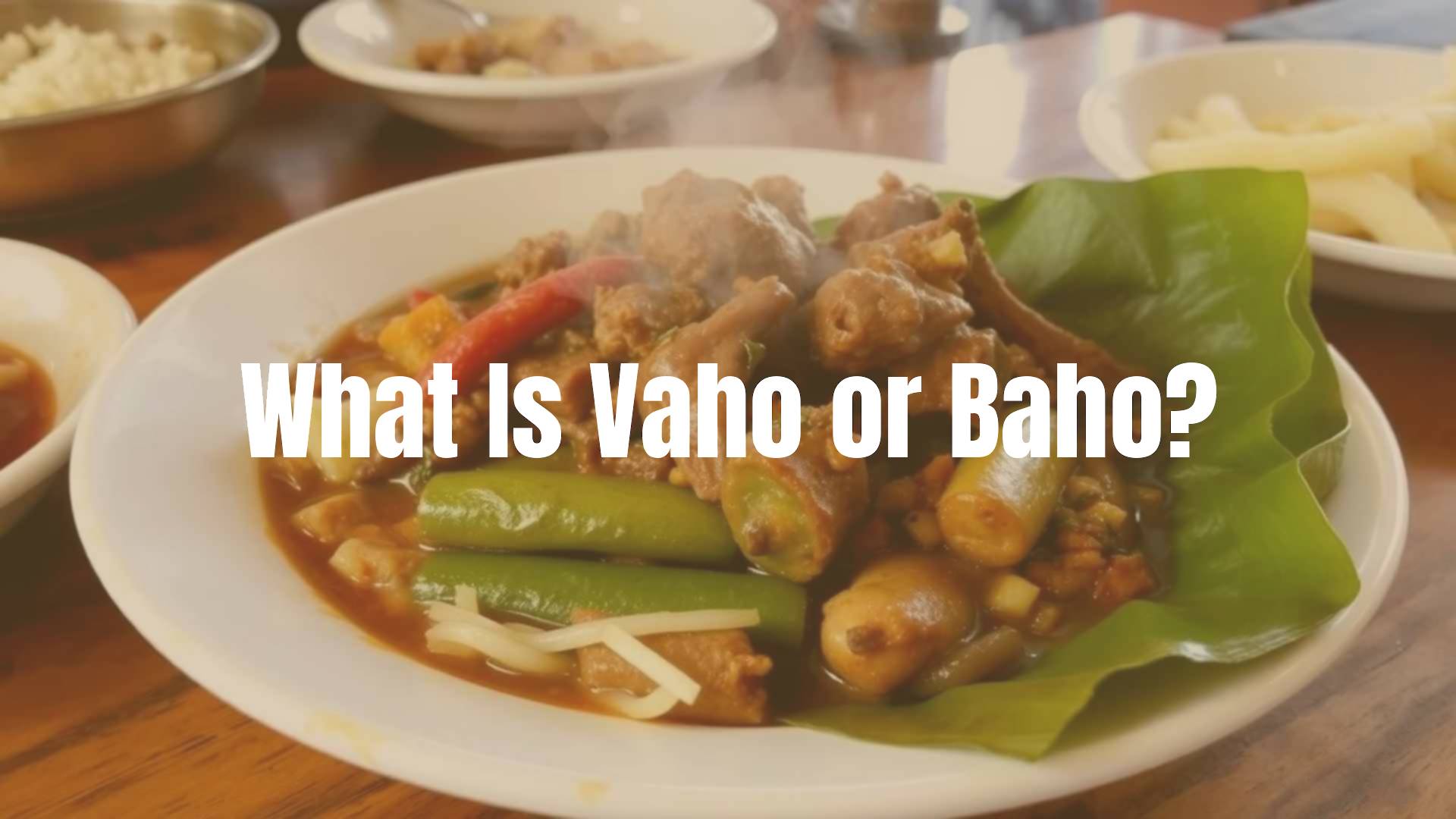
When people talk about “vaho” or “baho,” they are describing a classic dish from Nicaragua. This popular meal brings together soft beef, green plantains, and yuca, all slowly cooked together, wrapped in banana leaves. More than just food, it’s a dish that celebrates tradition and is often shared with family and friends, showing off the cooking skills passed down over the years in Nicaragua.
The name “vaho” or “baho” often starts friendly discussions, usually because of the way Nicaraguan Spanish is spoken. No matter how you write or say it, the dish is always the same: packed with flavor, filled with steam, and loved by many Nicaraguans. It usually takes center stage during family events and special gatherings.

What Is Vaho or Baho?
Vaho (or baho) is a well-known Nicaraguan meal famous for its taste and unique way of cooking. The main parts are beef, green plantains, and yuca, all cooked, covered with banana leaves, and steamed slowly. Cooking this way lets everything blend together for a soft, flavorful meal.
This dish shows the mix of cultures in Nicaragua, including indigenous, mestizo, and Afro-Nicaraguan roots. Using banana leaves isn’t just for looks; it adds a special earthy flavor and keeps everything juicy and tender.
Origin and History of Vaho in Nicaragua
Vaho has a long history in Nicaragua, built from native cooking habits mixed with new ideas over time. Using plantain leaves goes back to ancient times, while adding beef and the steaming method came later. Vaho isn’t just traditional food-it tells the story of how Nicaraguan cooking has changed and grown, all while bringing families together to make and share it.
Why Is It Sometimes Called ‘Baho’?
The difference between “vaho” and “baho” comes from how Spanish is spoken in Nicaragua. Sometimes the letter “v” sounds more like a “b” (as in “baho”) because of local pronunciation. In standard Spanish, “vaho” means steam, and that’s technically correct, but “baho” is a common way of saying it in Nicaragua. No matter which word you use, both point to the same signature dish.
Cultural Importance in Nicaraguan Cooking
Vaho means more to Nicaraguans than just food. It’s a key part of family life and local food culture. Making vaho is often a group activity, bringing people together for special days and Sunday meals. Sharing vaho is a way to show Nicaraguan warmth and welcome, making sure everyone at the table feels at home.
What Ingredients Are Used in Vaho or Baho?
The real taste of vaho comes from its simple but tasty mix of ingredients. Each part has a job, and together they create the special flavor loved by so many. The ingredients are fresh and natural, which gives vaho its unique, home-cooked taste.
| Ingredient | Role in the Dish |
|---|---|
| Beef (usually brisket) | Main protein; becomes soft and full of flavor after long steaming |
| Green Plantains | Add starchy, slightly sweet taste and thick texture |
| Yuca (cassava) | Gives a soft and filling base, soaking up the spices and juices |
| Banana leaves | Wrap and steam the food; add a natural, earthy smell |
| Tomatoes, onions, bell peppers | Add color, juicy texture, and extra taste |
Main Meats and Cuts
The main meat in vaho is beef, usually brisket (called pecho de vaca or tapa barriga). This cut works well because it turns soft and juicy after hours of steaming. The meat is cut into thin slices to soak up the marinade and cook well. While brisket is the favorite, any cut that becomes soft after long cooking can work.
Vegetables and Sides
Besides beef, vaho includes hearty vegetables. Green plantains are a must for texture and a hint of sweetness, while yuca adds a filling, comforting bite. Sliced tomatoes, onions, and bell peppers also go in, making the dish colorful and helping the flavors come together as everything cooks.
Importance of Plantain Leaves
Plantain leaves make a real difference in vaho. They cover the food while it steams, help keep everything moist, and fill the dish with a gentle earth smell and taste. They also act as a natural cooking pouch, holding all the juices and steam in, which makes every bite tender and tasty.

How Is Vaho or Baho Made?
Making vaho is a slow and careful process. It takes several hours, but each step is important for getting the right taste and tenderness.
- Marinating the Meat: The meat is soaked for hours-usually overnight-in a mix of sour orange juice, garlic, onions, tomatoes, and bell peppers. This gives it lots of flavor before cooking even starts.
- Layering the Ingredients: In a big pot lined with branches (often guava or avocado) and banana leaves, the yuca goes in first, then the plantains, then the meat, with more vegetables layered throughout.
- Steaming: Water is added but kept below the ingredients to create steam. The pot is sealed tightly and left to cook slowly for 3-5 hours, making everything soft and full of flavor.
- Serving: Vaho is usually served hot, still on the plantain leaves. A tangy cabbage and tomato salad (ensalada de repollo) is a traditional side, adding freshness and a bit of crunch to the meal.

Simple Preparation Guide
| Step | Description |
|---|---|
| Marinate | Soak beef in a blend of citrus juice and spices-best overnight |
| Arrange Layers | First yuca, then green/ripe plantains, then marinated beef, all in banana leaves |
| Steam | Cover and cook on low heat for 3-5 hours |
| Serve | Dish up meat and vegetables with cabbage salad |
When Do People Eat Vaho or Baho?
Vaho is often made for big get-togethers or special days because of how long it takes to prepare and how much it makes. In Nicaragua, Sunday lunch is a popular time for vaho, turning a simple meal into a reason to gather as a family. It also appears at parties, family reunions, and festive times, offering enough food to feed everyone at the table.
Even though it’s special for weekends, you can find vaho in some cafes and food stalls during the week, especially in bigger towns or where there are lots of visitors. Whether at a festival or just as a filling weekday meal, vaho keeps its role as food to share.

Where Can You Try Vaho or Baho?
If you want to taste real vaho, you can visit Nicaraguan restaurants, search out local food markets, or make it at home if you have time and patience.
- Traditional Restaurants: Many spots in cities like Managua and Granada serve vaho, often made using family recipes.
- Food Stalls and Markets: In smaller towns or local markets, you’ll find home-style vaho often served on banana leaves for a real taste of Nicaraguan life.
- Homemade Version: If cooking at home, focus on fresh brisket, plantains, yuca, and banana leaves. Let the beef soak in its marinade for a day, then steam everything together for several hours. Don’t forget the cabbage salad-it’s the classic side!
How Is Vaho or Baho Different From Other Nicaraguan Dishes?
Nicaragua’s kitchen includes many filling dishes with local veggies and meats. Vaho stands out because of its unique mix of beef, plantains, and yuca, and because it is all cooked together in a stack, wrapped in leaves, then steamed for a long time.
Comparison Table: Vaho, Nacatamales, and Indio Viejo
| Dish | Main Ingredients | Cooking Method | Serving Style |
|---|---|---|---|
| Vaho | Beef, green/ripe plantains, yuca | Steamed in banana leaves | Served in large portions, often shared |
| Nacatamales | Pork or beef, corn masa, vegetables | Individually wrapped and steamed | Individual portions |
| Indio Viejo | Beef, vegetables, corn dough | Simmered as a stew | Served in bowls |
What Makes Vaho or Baho Special?
Vaho is different because it uses both green and ripe plantains along with yuca and beef, all steamed together. Nacatamales also use banana leaves but are made as small packets, usually with corn dough, while Indio Viejo is a stew. Vaho’s slow steaming and shared serving style make it a unique and memorable meal in Nicaraguan cooking.
Common Questions and Misunderstandings about Vaho or Baho
People often have questions about vaho, especially if they’ve never tried it before. Below are some answers to the most common things people ask or get confused about.
-
Is there a difference between “vaho” and “baho”?
No-the names mean the same dish. The difference comes from how Spanish is spoken in Nicaragua; “vaho” is the original word, but “baho” is common in conversation. -
Is vaho a soup?
No, vaho is not a soup. Although it’s moist and cooked by steaming, you eat it with a fork, not from a bowl with broth. -
How do you say “vaho” or “baho”?
Most Nicaraguans say “BAH-ho” or “BAH-oh,” with the “h” being soft or barely there. Either way, locals will know what you mean.
If you’re curious about Nicaraguan food, trying vaho-or making it yourself-offers a fun (and filling) way to explore the country’s food traditions.
