

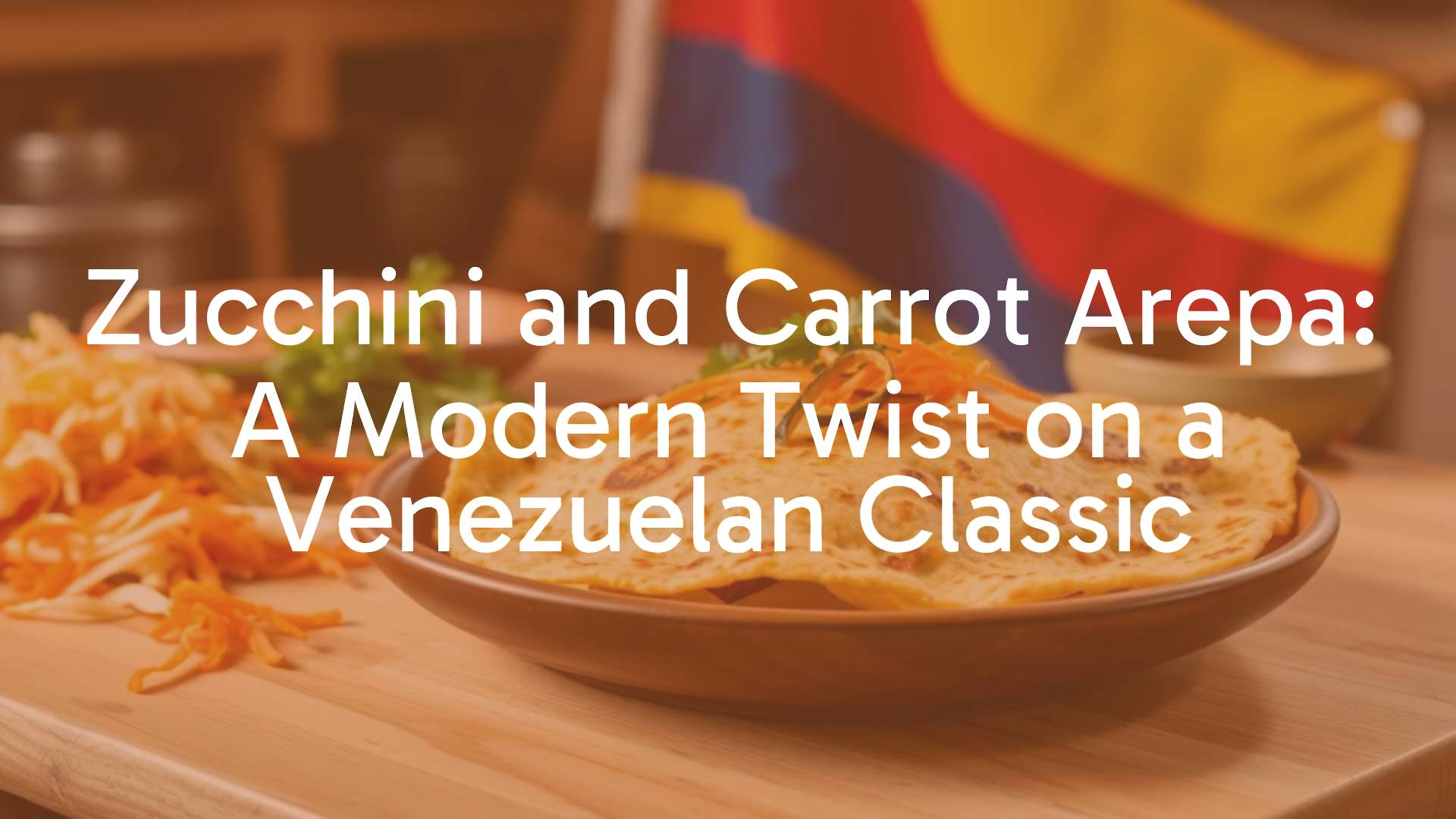
Zucchini and Carrot Arepa: A Modern Twist on a Venezuelan Classic
What is a Zucchini and Carrot Arepa?
The zucchini and carrot arepa is a contemporary adaptation of Venezuela’s iconic arepa—a cornmeal patty that serves as a culinary staple throughout the country. In this variation, shredded zucchini and carrot are mixed directly into the dough, resulting in a nutritious, colorful, and slightly sweet alternative to the traditional recipe. This arepa exemplifies the fusion of wholesome ingredients with time-honored Venezuelan food culture.
Origins and Evolving Tradition
The arepa has deep roots in pre-Columbian Venezuelan and Colombian societies, where it began as a simple bread made from corn. Over generations, the arepa evolved to reflect various regional tastes and the influence of new ingredients. The zucchini and carrot arepa is a recent innovation, representative of a broader trend towards incorporating more vegetables into everyday meals. This creative approach not only enhances flavor but also aligns with modern preferences for healthier eating.
Components, Flavors, and Textural Appeal
The heart of a zucchini and carrot arepa lies in its dough: pre-cooked cornmeal (often called masarepa or harina PAN), water, salt, and, importantly, freshly grated zucchini and carrot. The vegetables bring a natural moistness, a subtle sweetness, and vibrant color, while the cornmeal provides structure and the classic, slightly nutty flavor. The exterior crisps beautifully when griddled or baked, giving way to a tender, moist interior speckled with vegetable shreds and gentle earthiness.
How Are They Enjoyed?
Much like other arepas, the zucchini and carrot variant is highly versatile. It can be split open and stuffed with a variety of fillings—think grilled cheese, shredded chicken, black beans, avocado, or even scrambled eggs. Some enjoy it simply with a pat of butter or a dollop of fresh cheese to let the flavors of the vegetables shine. It’s equally suitable for breakfast, lunch, or dinner, reflecting the arepa’s all-day appeal in Venezuela.
Pairings and Serving Suggestions
This vibrant arepa pairs well with creamy toppings and sauces, such as guasacaca (Venezuelan avocado sauce), soft white cheeses, or yogurt-based spreads. Salads and light soups also complement its hearty-yet-refreshing character. A glass of freshly squeezed juice or a hot Venezuelan coffee makes for a balanced meal.
How Does It Compare to Other Arepa Varieties?
Traditional arepas are made with only cornmeal, water, and salt, offering a neutral canvas for robust fillings. By integrating zucchini and carrot, this version introduces additional nutrition and an extra layer of flavor complexity. Similar vegetable-enriched arepas might also use spinach, pumpkin, or beets, especially in regions or among home cooks who enjoy experimenting. However, the zucchini and carrot combination remains uniquely moist and subtly sweet, making it a favorite among health-conscious eaters and families with children.
Frequently Asked Questions
Are zucchini and carrot arepas still gluten-free? Yes, as long as the cornmeal used is certified gluten-free, this variation remains a safe and delicious choice for those avoiding gluten.
Can the vegetables be substituted? Absolutely. Many cooks swap in other shredded vegetables according to season or taste, adjusting moisture levels as needed in the dough.
Is this dish popular in Venezuela? While not as traditional as the plain arepa, innovative vegetable versions like this one are increasingly common in Venezuelan households and trendy eateries focused on modern, healthy fare.
The zucchini and carrot arepa is a shining example of how Venezuela’s beloved food traditions continually adapt to the times, embracing new ingredients while retaining their essential spirit.
