

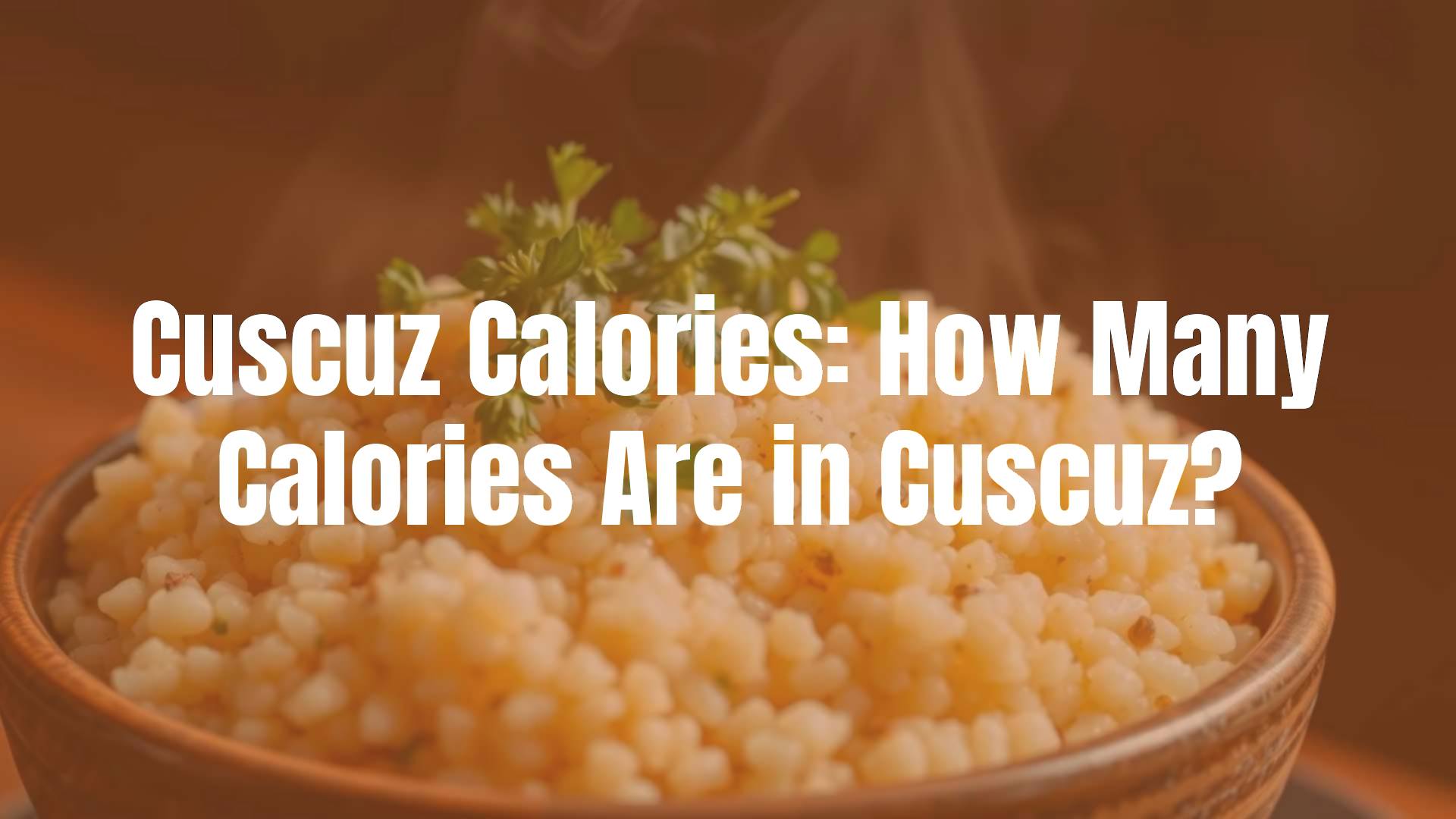
Cuscuz is a simple and adaptable food that shows up in many North African and Middle Eastern dishes. While it’s often thought of as a grain, it’s really a tiny pasta. Cuscuz can be used as a side or can be made into a main meal. For anyone watching what they eat, it’s common to wonder: how many calories does cuscuz have? The answer changes based on how it’s made and what you add, but plain, cooked cuscuz is generally not high in calories. This makes it a good option for a healthy, balanced diet.

How Many Calories Are in Cuscuz?
When you make cuscuz with just water and no extra fats or heavy ingredients, its calories stay reasonable. Knowing these numbers helps if you want to fit cuscuz into your meals.
Calories in 100g of Cooked Cuscuz
If you look at plain cuscuz, cooked only in water, the calorie count is lower than many other sides. One cup (about 157g) of cooked cuscuz has around 176 calories. Most of these calories (about 85%) are from carbohydrates your body burns for energy. Proteins are about 14% and fats just 1% of the total.
To be specific, a cup of cooked cuscuz has about 36 grams of carbs (about 2g fiber, so 34g net carbs), 6g protein, and just 0.25g fat. It doesn’t have sugar or cholesterol, and only a very small amount of sodium (usually 8-13 mg).
| Nutrient | Amount (per cup, cooked) |
|---|---|
| Calories | 176 kcal |
| Carbohydrates | 36 g |
| Fiber | 2 g |
| Protein | 6 g |
| Fat | 0.25 g |
| Sodium | 8-13 mg |
| Sugar | 0 g |
Calories per Serving Size
Even though a cup is a common serving size for cuscuz, amounts can change. A 1/4 cup of uncooked, refined cuscuz has about 150 calories. Whole-wheat cuscuz, which is a bit healthier, has about 160 calories for 1/4 cup. Keep in mind, these are uncooked numbers-the cuscuz will take up more space and the calories are spread out after cooking. Usually, 1 cup cooked is considered a regular serving.
Pay attention to serving sizes on packaged cuscuz, especially flavored or instant types which might have extra ingredients and more calories. Always read the label to know exactly what you’re getting.
Calorie Comparison: Cuscuz vs Other Grains
How does cuscuz compare to other foods like rice or pasta? Here’s a quick look at one cup (about 157g cooked) of each:
- Cuscuz: 176 calories
- Brown Rice: 218 calories
- White Rice: 242 calories
- Quinoa: 222 calories
- Pasta: 222 calories
Cuscuz usually has fewer calories and carbs than both types of rice. Brown rice does have more fiber, but cuscuz has more protein than either brown or white rice. Because of this, cuscuz can be a smart pick for those who want to eat fewer calories while still feeling satisfied and getting nutrients like energy, protein, and some fiber.

What Factors Affect Cuscuz Calories?
The calories in cuscuz can change a lot depending on how it’s made and what’s added to it. Cuscuz itself is simple and mild, so whatever you cook or mix it with will determine the final calorie amount.
Types of Flour: Corn, Rice, Wheat
Most cuscuz in stores is made from semolina, which is a kind of wheat. This is the usual type you’ll find. Whole-wheat cuscuz has a little more fiber and protein, and about 160 calories per uncooked 1/4 cup (compared to 150 for regular). This added fiber is helpful for digestion and makes the food more filling.
Sometimes, cuscuz can be made from corn (like the Brazilian type) or rice flour, which changes the calories and nutrients. To know what you’re eating, check the package ingredients if you try different types of cuscuz.
Toppings and Additions: Coconut, Cheese, Meats
What you add to cuscuz can quickly increase its calories. Though plain cuscuz is low in fat, adding things like:
- Oils and Fats: Adding olive oil, butter, or other fats during cooking or before serving raises the calories a lot.
- Cheese: Adding cheese (like in broccoli and cheese flavored cuscuz) boosts calories and fat. Some mixes go up to 230 calories each serving.
- Coconut: Using coconut or coconut milk adds a lot of fat, especially in sweet or breakfast versions.
- Meats: Lean meats are lower in calories, but fatty meats or creamy sauces can make a cuscuz dish heavy.
- Dried fruits and nuts: These are healthy in small amounts, but a handful can add a lot of calories very quickly.
Remember, add-ins often bring extra benefits (like protein or healthy fat), but they also increase the overall calorie count.

Cooking Methods and Water Ratio
How you cook cuscuz also changes the calorie total. Cooking cuscuz with just water and no salt or fat keeps calories low. If you use chicken broth, the calories don’t go up much but sodium will. Using butter or olive oil makes it more flavorful but adds extra calories and fat.
Usually, it’s best to use a 1:1 water to cuscuz ratio. More water can make it sticky and tempt you to add fats, while too little makes it dry. Some people like to sauté cuscuz in oil before adding water-this gives a nuttier taste but adds a little fat, too. Keeping your cooking simple is the easiest way to keep calories in check.
Tips for Enjoying Low-Calorie Cuscuz
Cuscuz is easy to fit into a healthy, low-calorie diet if you make smart choices with what you pair it with and how you cook it.
Choosing Healthy Ingredients
Start with whole-wheat cuscuz if you can-it has a bit more calories, but added fiber and protein which help you feel full and support digestion. Fiber also helps keep your blood sugar steady.
When mixing cuscuz into meals, go for fresh ingredients. Skip heavy sauces and choose lighter flavors, like fresh herbs (parsley, mint, cilantro), a squeeze of lemon, or a splash of vinegar. Team it up with grilled chicken, fish, or plant-based proteins such as beans or lentils for extra nutrition without too many added calories.
Reducing Oil, Sugar, and Fat
This is one of the best ways to lower cuscuz calories:
- Cooking Liquid: Use water or low-sodium broth instead of adding oil or butter. If you use oil to stop sticking, use as little as possible.
- Salad Dressings: Dress cuscuz salads with light vinaigrettes or lemon juice, not creamy or oily dressings.
- Toppings: Use small amounts of cheese or nuts; avoid piling on high-fat toppings.
- Sweeteners: For sweet cuscuz, use fresh fruit or a little honey instead of sugar or dried fruit.
Even small changes in recipes or toppings can make a big difference in total calories over time.
Increasing Vegetables and Lean Proteins
Adding non-starchy vegetables and lean proteins makes your cuscuz dish more filling and nutritious without adding too many calories. Veggies are naturally low-calorie and high in vitamins and fiber.
- Roasted Vegetables: Bell peppers, zucchini, eggplant, or cherry tomatoes work well mixed with cuscuz.
- Salads: Mix cooked cuscuz with greens, cucumber, tomatoes, or any fresh veggies for a filling salad.
- Lean Proteins: Pair cuscuz with baked or grilled fish, skinless chicken, turkey, or beans and lentils for a complete meal. Plant-based proteins are just as good as animal options for adding fullness with fewer calories.
With these choices, cuscuz stays a flexible, tasty, and healthy base for your meals.

Frequently Asked Questions about Cuscuz Calories
Lots of people have questions about food and nutrition, and cuscuz is no different. Here are some common ones:
Does Cuscuz Help with Weight Loss?
Cuscuz by itself isn’t a diet food, but it can help you reach your weight loss goals. It’s low in fat and calories, and the mix of carbs, protein, and some fiber helps you feel full. That means you might eat less at your next meal. But if you add a lot of butter, oil, or heavy sauces, you lose those benefits. If you eat it with lots of vegetables and lean protein, and watch your portion sizes, cuscuz can definitely be part of a weight control plan.
How Does Cuscuz Affect Blood Sugar?
People who need to manage their blood sugar should know that regular cuscuz (made from semolina wheat) has a glycemic index (GI) of about 65, which is considered medium-high. That means it can raise blood sugar faster than some other grains, like brown rice. Choosing whole-wheat cuscuz helps because the added fiber slows down digestion and keeps blood sugar steadier. If you eat it with protein and healthy fats, it helps lessen blood sugar spikes even more.
Is Cuscuz Good for Athletes?
Yes, cuscuz is a good meal choice for athletes and active people. It’s high in carbohydrates, which help refuel energy after a workout. One cup has about 36 grams of carbs. It also supplies a decent amount of plant-based protein (6 grams per cup) for muscle repair and growth. Cuscuz has useful minerals and B vitamins, and you can cook it fast, which makes it convenient. Team it with lean meats or beans and veggies for a balanced post-workout meal.

Overall, cuscuz is more than just a plain side. Its low calorie count (if you keep it simple) and quick cooking time make it great for healthy eating, even if you’re busy. Cuscuz can take on many flavors and be part of lots of worldwide cuisines, making it fun and useful in the kitchen. With a little planning, cuscuz can help you put together nutritious meals quickly, so you don’t have to turn to pre-packaged or less healthy options. By learning how to use basic foods like cuscuz, you can enjoy simple dishes that fit into almost any healthy diet.
