

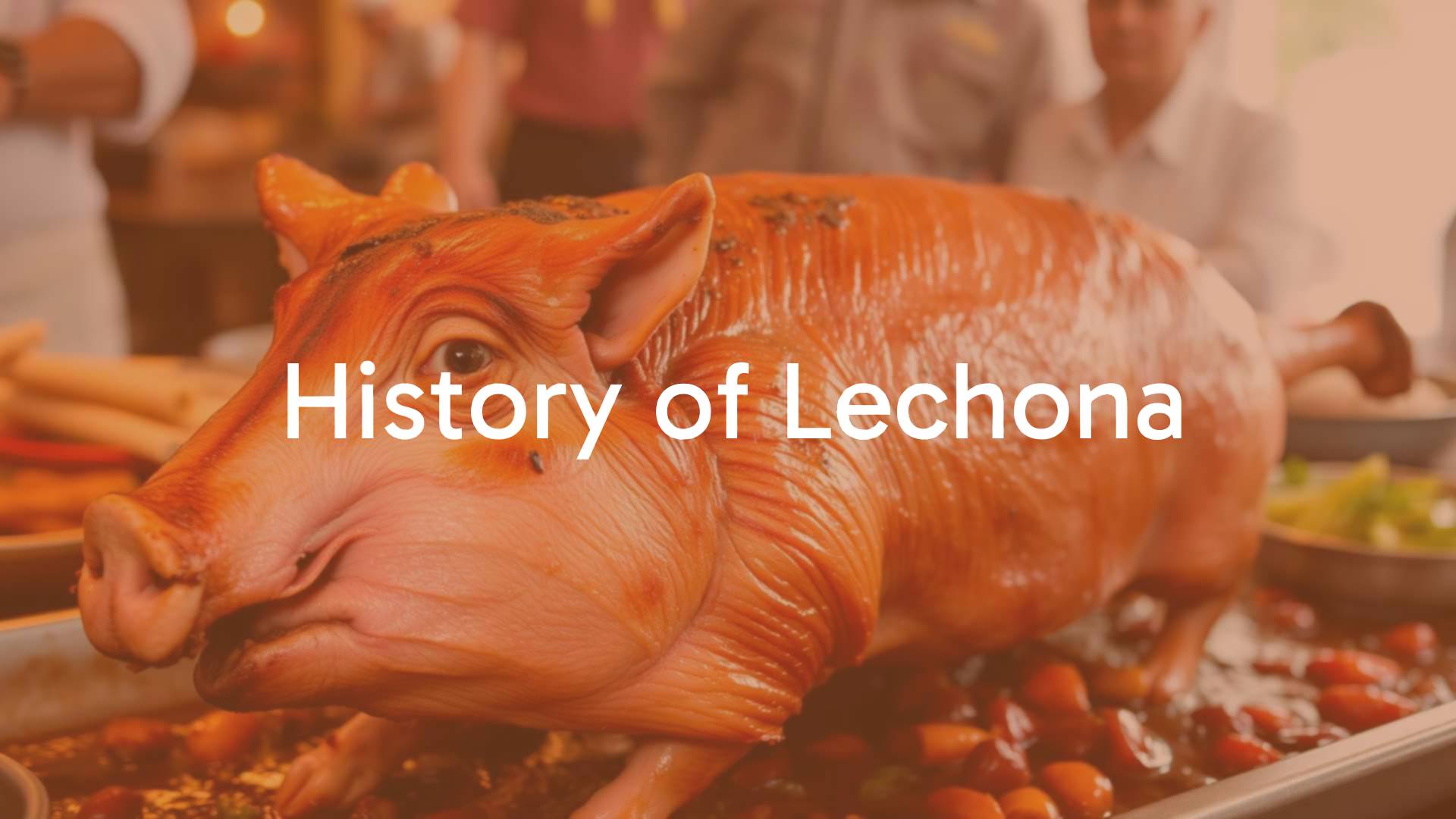
Lechona is a popular Colombian dish made from a whole roasted pig stuffed with a flavorful mixture and cooked until the skin turns crisp. It’s more than just food – it’s a part of Colombia’s cultural traditions. But how did lechona become so important in Colombia? Its beginnings come from both the early indigenous people and Spanish settlers, developing over many years into the festive and well-loved dish it is now.
Lechona isn’t just about eating. It shows hospitality, plenty, and a strong link to Colombia’s farming past. Whether served at a big wedding or bought at a busy market stall, lechona brings people together, showing the warmth and generosity of Colombian life.

How did lechona start?
Early Indigenous Traditions
Lechona’s story starts before the Spanish arrived, in the days when Colombia’s indigenous communities lived off the land. These groups often prepared whole animals for gatherings and celebrations. Although pigs didn’t exist in the Americas then, roasting a whole animal slowly for important events was already part of local customs.
These old ways of group feasting and careful preparation of a main animal helped set the stage for lechona. The focus was on feeding many people and celebrating together, making it a key part of special occasions and unity within the community.
Spanish Influence
When the Spanish came to the Americas, they introduced pigs to Colombia. In their own culture, roasted pig had long been a dish reserved for important celebrations. The Spanish also brought their methods of seasoning and slow-cooking meat.
The meeting of these two traditions – the local custom of roasting whole animals and the Spanish way of preparing pork – led to the creation of lechona. The Spanish love for crispy, golden pork skin remains a big part of the dish even today. Over the years, the dish developed its own style in Colombia, mixing native and European cooking ideas.

How lechona grew in Colombian culture
As time passed, lechona became more established in Colombia, using local spices and ingredients. It turned into a truly Colombian meal, representing family, gatherings, and special events. Each region and family added their own techniques and ingredients.
Families passed down their recipes and methods from one generation to the next. Lechona became the go-to dish for big events, such as national holidays and family festivals, and its ability to feed many people made it a part of Colombia’s farming lifestyle.
How lechona changed over time
Changes in Preparation
Traditionally, making lechona takes a lot of care and time. The whole pig is cleaned, its skin scraped, and any leftover hair is removed with hot water. It is often cooked over charcoal or in a brick oven for several hours, making sure the meat is tender and the skin turns crispy.
Today, some things have changed. The pig is still marinated with spices like garlic, cumin, and achiote, then stuffed with a mix usually including rice, peas, onions, and pork. Pre-cooked yellow rice is common, absorbing the pork flavor as it cooks. The process is still long, but now, besides brick ovens, other types of ovens may be used. The aim remains the same – juicy meat and crunchy skin.

| Traditional Ingredients | Modern Adaptations |
|---|---|
| Full pig, rice, peas, onions, pork meat, garlic, cumin, achiote | Same as traditional, some add carrots, peppers, or use different rice types |
Modern-day Changes
Lechona has kept its main features, but modern life has led to some updates. While people still make whole lechonas for big parties, it’s now possible to buy single servings at local markets or supermarkets for everyday meals.
Some restaurants have tried new takes on the dish, adding different ingredients or changing how it’s presented. Even with these changes, most keep the dish close to its roots, and the community cooking spirit continues to be important in Colombia.
Lechona around Colombia: Tolima and beyond
Lechona in Tolima
Lechona is eaten all over Colombia, but the Tolima region is especially known for it. Here, it’s more than just food – it’s a point of local pride and a symbol of regional culture. People in Tolima have made their own version, called lechona tolimense, which is now considered the gold standard for the dish.
Pig farming is common in Tolima, making it a natural place for lechona to become popular. Generations of cooks here have honed their recipes, making this version famous throughout Colombia.

Regional Differences
| Region | Ingredients | Distinct Features |
|---|---|---|
| Tolima | Rice, yellow peas, onions, pork | Usually no potatoes, seasoned with garlic, cumin, achiote |
| Antioquia (“lechona paisa”) | May include vegetables, different spices | Tweaked stuffing, local influences |
| Other regions (Huila, Cali, Santander, coast) | Carrots, bell peppers, various spices | Changes based on local produce and preferences |
Even though all versions involve a stuffed, roasted pig, each region puts its own spin on the ingredients and spices used. Taste differences can be small but are important to local identities.
How Lechona Shapes Local Identities
For places like Tolima, lechona is a symbol of local identity, featured at community events, festivals, and celebrations. It’s a source of pride and brings both locals and tourists together.
Across the country, debates continue about whose lechona is best, highlighting the dish’s importance. Each variation celebrates the local flavors and food traditions of the area, making lechona a way for Colombians to show their diverse culture.
Lechona and Colombian history
At Celebrations and Festivals
Lechona is always present at big Colombian gatherings. Its size and the way it is served make it perfect for feeding large groups at festivals, religious events, and fairs. The sight and smell of a roasted lechona are part of the celebration.
Its history as a dish for sharing shows ideas of plenty and working together. Preparing lechona is a group activity, creating excitement and making events more memorable.

Part of Social Life
Lechona isn’t just for festivals. It’s also important for any social gathering, including family reunions, birthdays, and Sunday get-togethers. Sharing lechona is a way to show care, generosity, and hospitality.
It turns normal events into special moments, reflecting Colombia’s focus on family, friends, and enjoying time together.
In Literature and Art
While no famous books or poems are dedicated just to lechona, it does appear in stories and art as a marker of Colombian life. Writers might describe its smell or mention it to set a festive scene. Artists sometimes paint lechona as part of celebrations, showing the dish’s role in bringing people together.
In these ways, lechona is more than just food-it’s a sign of culture and tradition. It reminds people of their roots and the importance of coming together.
Common misunderstandings about lechona’s history
Differences from Other Roasted Pig Dishes
| Dish | Country | Main Features |
|---|---|---|
| Lechona | Colombia | Pig stuffed with rice, peas, onions, pork; slow-roasted, focus on stuffing |
| Lechon | Philippines | Pig roasted whole, usually less stuffing, focus on meat |
| Lechón asado | Puerto Rico, Cuba | Pig roasted whole, simpler seasoning, sometimes not stuffed |
Some people think lechona is just another kind of roasted pig, but the difference is in the stuffing and how it’s cooked – letting the juices run into the filling, making it rich and flavorful inside as well as out.
Misunderstandings about Its Origin
It’s not correct to say lechona is fully indigenous or completely Spanish. Instead, it’s a mix of both – indigenous ways of slow-cooking and group feasting joined with Spanish pigs and cooking techniques. Also, even though Tolima is most famous for it, lechona is popular all over Colombia, with different versions in every area.
Frequently asked questions about lechona’s history
What makes lechona special in Latin America?
Unlike many other Latin American pork dishes, lechona stands out because of its stuffing, which cooks inside the pig. The rice, peas, and pork inside soak up the flavor from the meat and spices. This way, the stuffing is just as important as the pork itself. Many other roasted pig dishes focus only on the meat, but here, the stuffing is central to the experience.
Why is Tolima known for lechona?
Tolima is famous for lechona because, for many years, it has been the region where the dish has been most developed and celebrated. Families have passed down recipes, and local cooks are known for their skill, especially with the well-known rice and yellow peas stuffing. The dish is a big part of Tolima’s economy and tourism, and people from other parts of Colombia agree that Tolima’s lechona is the classic version everyone tries to copy.
