

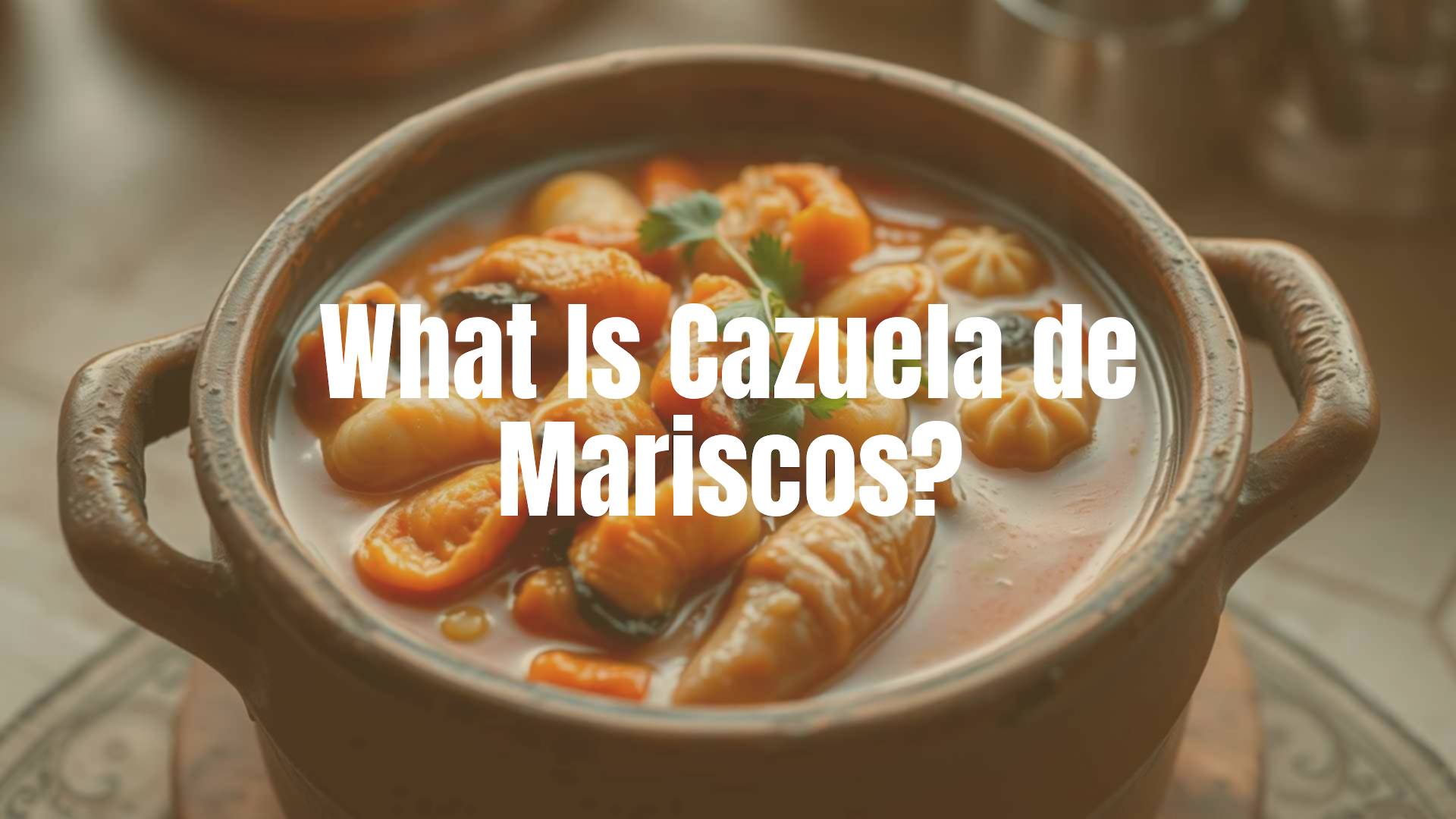
Cazuela de Mariscos is a tasty and comforting seafood stew from coastal areas. Imagine a bowl filled with fresh seafood cooked in a creamy, flavorful broth. This dish is made to be the main focus of a meal, especially when enjoyed with family or friends. The name might seem fancy, but the real beauty of Cazuela de Mariscos is how fresh, simple ingredients come together to make a delicious stew-hearty, thick, and packed with the taste of the sea.
This is more than just a soup. It’s a rich, satisfying stew-each spoonful can make you feel like you’re sitting by the ocean, enjoying the best each wave brings in.

Where Does Cazuela de Mariscos Come From?
This dish has a long and interesting background. Many connect it with the coasts of Colombia, especially in places like Cartagena, Barranquilla, Riohacha, and Santa Marta. However, a similar version has been around for years in the Catalonia region of Spain, where it’s often cooked in a traditional clay pot-also called a “cazuela.”
Cazuela de Mariscos is deeply rooted in local traditions and is a staple in Colombian and Ecuadorian coastal cooking. Each family has their own version, often passed down through generations, making it a symbol of celebration and community. It’s not just food-it brings people together and is a highlight during gatherings or special events on the coast.
What’s Special About Cazuela de Mariscos?
The star of this dish is definitely the seafood. You’ll get a mix of ocean favorites, all cooked so they stay soft and tasty. The broth stands out, too. Depending on where you try it, the broth might be flavored with saffron, be creamy with coconut milk, or have a tomato base. The stew is thick-not watery-thanks to ingredients like tomato sauce, a bit of flour or ground almonds, and sometimes a splash of cream. Herbs, vegetables, and spices also add layers of flavor, making each bite both rich and refreshing.
What Goes Into Cazuela de Mariscos?
This stew is flexible. You can adjust the recipe to include your favorite seafood or whatever is available and affordable, and you’ll still end up with something delicious.
Common Seafood Choices
- Shrimp
- Clams
- Mussels
- Scallops
- Other options: lobster, oysters, squid, octopus, crab, and firm white fish (such as sea bass, cod, or halibut)
Fresh seafood really makes a difference, whether you use just a few types or try a big mix.

Vegetables, Herbs, and Spices
- Finely chopped onion
- Garlic
- Red and green bell peppers
- Celery or carrot (sometimes)
- Herbs: parsley and cilantro (some use these in the stew and as garnish)
- Spices: paprika, oregano, sometimes saffron
Usually, these are cooked together to release their flavors and create the base of the stew.
Main Flavor Boosters
- White wine (adds acidity and depth)
- Brandy or cognac (optional, for more flavor after the alcohol cooks off)
- Tomato sauce or paste
- Coconut milk (common in Colombian versions)
- Heavy cream (for extra creaminess in some recipes)
- Ground almonds or regular flour (to make the broth thicker)
How To Serve It
- Top with fresh parsley or cilantro
- Add lemon wedges on the side for squeezing
- Serve with crusty bread, white rice, plantain chips, or patacones (fried plantain slices)
- Some people enjoy side dishes like a simple salad or sliced avocado
- If you like, sprinkle some Parmesan cheese on top before broiling for a cheesy finish
How To Make Cazuela de Mariscos At Home
Making Cazuela de Mariscos at home isn’t as hard as it sounds. Most recipes take about 75 minutes total (15 minutes for prep) and make about 6 servings. Here’s a basic way to do it:
Step-by-Step Cooking
- Prepare the shrimp by peeling and deveining. Use the shells and heads to simmer with onion and bay leaf for about 20 minutes to make shrimp broth.
- Soak clams and mussels in cold salted water for 20 minutes to remove sand.
- Heat olive oil in a large pot and quickly cook (sear) the scallops and shrimp until just done, then set them aside.
- Sauté onion, then add garlic and your mixture of chopped vegetables and herbs (sofrito), cooking until soft.
- Add tomato sauce. Pour in brandy or cognac if you like, then cook until the alcohol smell disappears.
- Add white wine and reduce by half. Add shrimp broth, then bring to a boil.
- Add clams and mussels, cover and cook 5-8 minutes until shells open. Remove any that stay closed.
- Stir in a bit of almond flour or regular flour if you wish to thicken.
- Return the seared seafood to the pot, heat through, and season to taste with salt and pepper.

Tips For Getting The Best Taste
- Always use the freshest seafood you can find.
- Making homemade broth with seafood shells gives the stew a lot more flavor than using ready-made broth.
- Pick a good white wine that you would actually sip-bad wine can ruin the stew’s taste.
- Saffron adds a nice aroma and color, if you have it.
- Let the soup simmer long enough so all the flavors combine well.
Ingredient Swaps and Options
- Try other fish like mahi-mahi or halibut if swordfish isn’t available.
- If you want it lighter, use just coconut milk, skip the heavy cream, or make a pure broth version.
- Use wheat flour instead of almond flour for thickening, or skip both for a thinner broth.
- Replace alcohol with more broth if you prefer not to use it.
- Parmesan cheese on top before broiling adds a different style to the dish.
- Pre-cooked seafood can be used if fresh is unavailable, but creating your own broth is still possible with fish heads or shells.
How To Serve Cazuela de Mariscos
Presentation and sides help make this stew even more inviting. This dish is mainly enjoyed hot and served as the centerpiece of the meal.
Good Sides And Drinks
- Crusty bread for dipping
- White rice (especially popular in Colombia)
- Plantain chips or fried green plantains (patacones)
- Simple green salad with vinaigrette
- Avocado slices
- Crisp, dry white wine, or sparkling water with lemon or a light fruit juice

How To Present The Dish
- Use shallow bowls or deep plates to show off the seafood and broth.
- If you made the stew in a clay pot, serve it right from the pot at the table.
- Garnish with fresh herbs and lemon wedges.
- If using clams or mussels in the shell, put a few on top for looks.
- Warm your serving bowls beforehand if you want the meal to stay hot longer.
Cazuela de Mariscos: Nutrition Facts and Things To Know
Cazuela de Mariscos is good for you, thanks to its seafood and vegetables. It offers a mix of protein, vitamins, and minerals, making it a wholesome meal-though it can be rich, so portion control is wise.
What’s In a Serving? Calories and Macros
| Nutrient | Comes From |
|---|---|
| Protein | Seafood (shrimp, fish, oysters, etc.) |
| Fat | Olive oil, butter, coconut milk, heavy cream |
| Carbs | Vegetables (onions, peppers, carrots), flour or almond flour if used |
| Vitamins/Minerals | Vitamin A, C, calcium, iron, potassium (from seafood and veggies) |
Calories depend on your recipe. Some versions may have about 1398 kcal per serving (especially if heavy on cream), but numbers change based on ingredients and serving size.
Allergens and Dietary Notes
- Shellfish (shrimp, clams, mussels, scallops, crab, lobster, oysters) and fish are common allergens.
- For those avoiding dairy, use extra coconut milk instead of cream or butter.
- Gluten: Use almond flour or another thickener instead of wheat flour if needed.
- Lower fat by skipping or reducing cream and butter.
- Homemade broth lets you control the salt content.
You can always adjust the recipe for allergies or dietary needs, giving everyone a chance to enjoy this tasty meal.
Cazuela de Mariscos: Common Questions
People often have questions about how to make and serve this dish. Here are answers to some you might have:
How is Cazuela de Mariscos different from seafood soup?
This stew is much thicker and richer than most seafood soups. In seafood soups, the broth is often thin and the seafood is just another ingredient. In Cazuela de Mariscos, the broth is usually thick and creamy, and seafood is the main focus. It’s a heavier, all-in-one meal.
Can you make Cazuela de Mariscos ahead of time?
Yes, you can make the base (the broth and vegetables) a day before. Keep it in the fridge so the flavors develop. But add the seafood only when you’re almost ready to eat so it stays tender and not rubbery. Heat the broth, then add your seafood so it cooks just until done.
Do you need any special pot?
Traditionally, people use a clay pot called a “cazuela,” but you don’t have to. Any large, heavy-bottomed pot or Dutch oven will work fine. The important thing is that it holds all the ingredients and keeps heat well. Use what you have on hand and you’ll still get a great result.
