

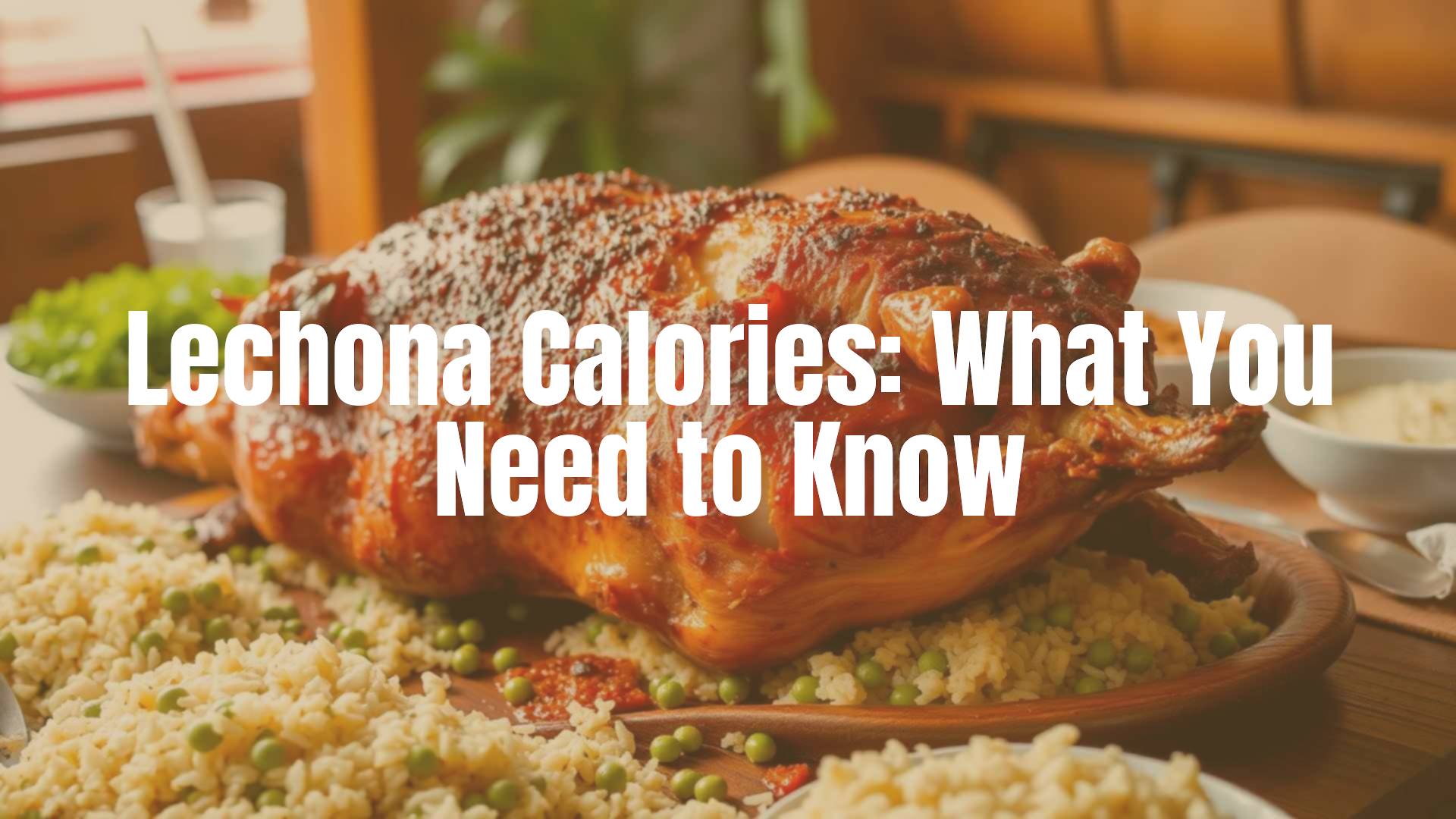
Lechona brings to mind large gatherings, delicious smells, and the sight of crispy, roasted pork. This well-known Colombian dish-a whole pig filled with tasty ingredients and slow-roasted-is both comforting and satisfying. But if you’re wondering how many calories are in a serving of lechona, the answer depends on the recipe, the size of your portion, and where it’s made. On average, a serving can have anywhere from about 450 up to almost 900 calories, showing just how filling this traditional food can be.

How Many Calories Are in Lechona?
Lechona is all about pork, and it packs a lot of calories. If you’re keeping an eye on what you eat, knowing the calorie content can help. The calorie count isn’t fixed because recipes vary; aside from the pork itself, there might be rice, peas, and other ingredients that boost the energy value. Each type adds its own calories, making lechona more than just a simple meat dish.
Calories per Typical Serving Size
Let’s look at some numbers. A standard portion can cover a wide range. A “plato” (270g) of lechona from Mr. Lechón has about 459 calories. A similar serving, “Lechona Pulled Pork Rice by Berbeo Berbeo,” is close at 457 calories. Move up to a larger “porción” (392g) from “Lechona Colombiana” and the calories jump to 876. That’s nearly double the smaller serving. Clearly, the portion size makes a big difference.
One home recipe for “Colombian Lechona (Stuffed Roasted Pig)” lists 496 kcal per serving (serves 4 people). The calories here are from both the pork and the generous amounts of rice, peas, and other ingredients in the stuffing. So, both the filling and meat count toward the total calories.

Variations in Calorie Content by Recipe and Region
Lechona isn’t the same everywhere. Each family and region in Colombia may do things a little differently. In Tolima, the original home of lechona, the stuffing is usually pork and yellow peas. In other places, cooks might add rice, potatoes, or more veggies, which can raise the calorie count. The pork cut and the amount of fat used also make a difference; fattier cuts or extra lard add more calories. So, what’s in your lechona changes the final energy count.

Lechona Serving Sizes and Calorie Counts
Paying close attention to how much lechona you serve yourself is important if calories matter to you. This dish is very filling, even in smaller servings, but bigger plates bring many more calories with them.
Comparing Common Portion Sizes
At parties or restaurants, portion sizes can change. A “plato” might have 270g, while a bigger “porción” could have 392g-that’s a big jump in calories from 459 to 876. Some places serve even smaller “filete” pieces: a small filete may be 80g, a medium 120g, and a large 150g. While there aren’t always exact calories for these, it’s safe to say these smaller cuts have fewer calories than full plates. Still, having several smaller pieces adds up quickly.
Calorie Table by Weight
Here’s a basic table to show how lechona calories can look at different serving sizes, using the numbers above:
| Serving Size | Approximate Weight | Approximate Calories (kcal) |
|---|---|---|
| 1 plato (Mr. Lechón) | 270 g | 459 |
| 1 porción (Lechona Colombiana) | 392 g | 876 |
| Lechona Pulled Pork Rice (Berbeo Berbeo) | (one serving) | 457 |
| Colombian Lechona (DelishGlobe Recipe) | (one serving, serves 4) | 496 |
| 100 g (from 270g serving) | 100 g | ~170 |
| 100 g (from 392g serving) | 100 g | ~223 |
So, if you want just 100g of lechona, expect between 170 and 223 calories, depending on how it’s made. These numbers can add up fast if you eat a larger serving.

What Changes the Calorie Count of Lechona?
Lechona doesn’t have a fixed calorie number. Different recipes, ingredients, and cooking styles all influence the total calories. Knowing what goes in and how it’s cooked helps you understand-and maybe control-the calorie count if that’s important to you.
Ingredient Choices (Rice, Veggies, etc.)
The main difference comes from what’s inside. Traditional Tolima-style lechona uses pork and yellow peas. Other recipes may add rice or potatoes-adding more carbs and bringing up the calorie number. The more rice or potatoes, the higher the calories. Extra vegetables add some nutrients and fiber, but not too many calories. However, lots of added lard or pork fat can push the calorie count up quickly and make the dish even richer.
Cooking Methods
Lechona is typically slow-roasted for many hours, letting the pork fat melt out. Some of this fat is kept to make the skin extra crispy, while some drains away, lowering the fat and calories a bit in the finished dish. When cooked at home, cooks might use only pork skin stuffed with the filling and roast it in a regular oven. How the fat is handled-and how crispy the skin gets-makes a real difference in calorie content. More crispy skin almost always means more calories, since most of the flavor and energy comes from the fat.
Lechona Nutritional Information
Lechona isn’t just about calories-it also has other important nutrients. The amounts of protein, carbs, and fat can vary, but here are some examples:
Protein, Carbohydrates, and Fat
- A 270g “plato” from Mr. Lechón contains about 30.0g of protein.
- A larger 392g “porción” (Lechona Colombiana) gives you 86.0g of protein.
- Carbohydrates: The 270g serving has 54.0g, while the 392g serving has 25.0g. This gap mainly comes from differences in rice amounts.
- Fat: The Mr. Lechón serving has 12.2g, and the bigger Lechona Colombiana has 45.0g. How much fat depends on pork cuts and how much extra fat is added during cooking, especially in the skin.
Lechona can be high in protein and sometimes high in fiber, thanks to peas or vegetables. Sugar is usually low.

How Lechona Measures Up to Other Pork Dishes
Compared to other pork dishes, lechona is on the higher end for calories, especially when you count the stuffing and pork skin. Similar foods like Filipino Lechon-roast pork without much stuffing-have fewer calories per serving. Filipino Lechon is about 242 calories per serving, which is lower mostly because it doesn’t include the rich filling.
Pulled pork, without added sauces or bread, can also be lighter in calories. Fatty pork belly dishes, though, might be even heavier than lechona. Other meat dishes, like Milanesa Napolitana (651 kcal), Milanesa Rellena (654 kcal), or Puchero Argentino (563 kcal), can range around or below typical lechona servings, but their calories mostly come from frying or cheese, not slow-roasted stuffing.
How to Enjoy Lechona in a Balanced Diet
You can still have lechona as part of a healthy diet if you plan ahead and eat reasonable amounts. Here are some basic tips:
Watch Your Portions and Choose Smart Sides
- Choose smaller portions, like a “plato” instead of a big “porción,” or even a small “filete.”
- Pair lechona with light, fresh sides like salad instead of extra arepas (corn cakes). If you want an arepa, pick a smaller one and add more salad or fresh vegetables.
- Have water with your meal to help you feel full and avoid overeating.
- Try to enjoy lechona as your main dish, rather than as part of a big, multi-course meal.

Making Lechona Healthier at Home
If you cook lechona yourself, you can use these easy tips to cut calories:
- Pick leaner pork: Use pork loin or other lean cuts in the stuffing instead of fatty pork belly or shoulder.
- Use less lard/fat: Limit the amount of pork fat or lard added. Keep enough for flavor, but not too much.
- Add more vegetables: Include more peas, carrots, or other healthy vegetables, and use less rice in the filling.
- Trim pork skin: Before roasting, trim some fat under the skin if you want to reduce calories, though you’ll still get crispy skin.
- Let fat drain off: Use a rack when roasting so extra grease drips away, making the finished lechona a bit lighter.
Frequently Asked Questions about Lechona Calories
How Many Calories in Homemade vs. Restaurant Lechona?
Restaurant lechona often has more calories per serving because restaurants use traditional, richer recipes with more fat and stuffing. For example, the 392g “Lechona Colombiana” (876 calories) is likely a restaurant-sized portion. Homemade lechona can have fewer calories if you use leaner pork, add less fat, and stuff with more veggies and less rice. But if you follow a traditional recipe at home, it can be just as rich.
Is Lechona Okay for Weight Loss?
Lechona is high in protein, carbs, and fat, which means it’s not very low in calories. If you’re trying to lose weight, it’s better to have lechona just once in a while, not every day. Eat smaller portions, skip large arepas, and fill your plate with vegetables to help stay within your goals. You can also use less fat and more veggies if you make it at home. The key is moderation-leaving room in your calorie plan for a special treat now and then.
