

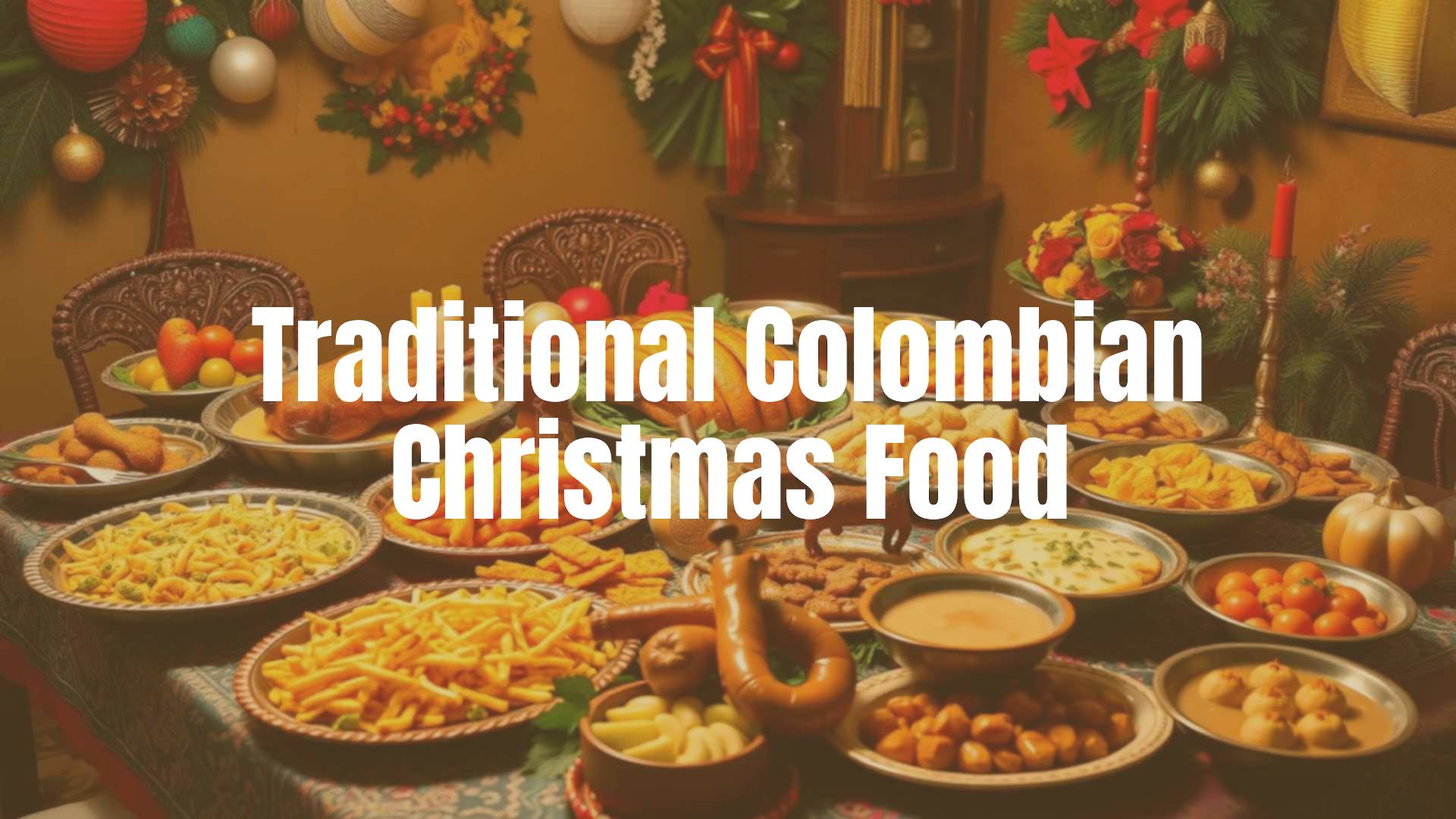
Traditional Colombian Christmas food brings together flavors and cooking styles from the country’s Indigenous, Spanish, and African history. These foods are not just something to eat-they are an important part of family life and holiday traditions. Instead of gingerbread cookies or mulled wine, what you’ll find on Colombian Christmas tables are rich meats, fried foods, cheesy snacks, and sweet desserts. Every dish tells its own story, creating a holiday menu that brings people together and celebrates the season.

What Makes Food a Traditional Colombian Christmas Dish?
A true Colombian Christmas dish reminds people of home, their family’s story, and the joy of celebrating together. Many of these dishes are recipes shared through generations, prepared with care, and offered to everyone present. Colombia’s mixed cultures and regions mean that, while many foods are popular everywhere, each part of the country has its own local twists and flavors. Preparing and serving these special foods is a key part of the Christmas holidays, turning kitchens and dining rooms into busy, happy places full of life and tradition.
Key ingredients used in Christmas recipes
Colombian Christmas cooking relies on ingredients found in many dishes across the country, like:
- Corn: Found in arepas and tamales, corn is basic to most recipes and is used for dough or to thicken soups.
- Cheese: Many regions are known for their cheese-making, and cheese gets added to drinks (like hot chocolate), bread, and, of course, buñuelos.
- Rice: Given its ability to soak up flavors and feed a group, rice is found in both main dishes and desserts.
- Potatoes: Especially in the highlands, potatoes make soups like Ajiaco hearty and filling.
Regional differences in Christmas food traditions
While there are many dishes you’ll see in every part of Colombia during Christmas, each region adds something special:
- Bogotá & Highlands: Warming soups like Ajiaco are popular on cool nights.
- Tolima: Lechona, a whole-roasted pig with rice and peas, is the main event for big groups.
- Tamales: All over Colombia, tamales differ in fillings and wrapping-some use banana leaves, some plantain leaves, and the meats and veggies change depending on local customs.
So, Christmas in Colombia is a great time to see how different parts of the country celebrate with their own flavors and recipes.
When Are Traditional Colombian Christmas Foods Served?
The Christmas season in Colombia lasts for weeks, not just days, which means food is always part of the celebration. Starting in early December and going into January, families and friends gather often to share meals, snacks, and drinks that capture the spirit of the season.
Nochebuena: Christmas Eve food traditions
Christmas Eve, or Nochebuena, is the biggest night for food and family. The main meal usually starts late in the evening, after 10 PM, as people wait for midnight to mark the start of Christmas Day. Before dinner, snacks like buñuelos and empanadas are critical, helping with hunger as everyone celebrates. After eating, some families go to Midnight Mass, others stay home and open presents at midnight. Food is the center of the night, helping make memories that last for years.
Snacks and meals during Novena de Aguinaldos
The Christmas season really begins with the Novena de Aguinaldos, a nine-night celebration from December 16th to the 24th. Friends and neighbors take turns hosting evenings full of prayer and songs, but food is just as important. Each night, people share traditional holiday snacks and drinks like buñuelos, natilla, and hojuelas, creating a warm, festive atmosphere as Christmas Day approaches.

Feasting and customs on Christmas Day and beyond
Christmas Day tends to be quieter-a day to relax, enjoy leftovers, and continue spending time with family. On December 28th, Colombians celebrate “El Día de Los Inocentes,” similar to April Fool’s Day, with jokes and fun. While not a feast day, holiday treats from earlier in the week are often enjoyed, keeping the festive mood alive through the end of the month.
Popular Savory Colombian Christmas Foods
Colombian Christmas is filled with savory foods made for sharing, from fried cheese balls to big pots of soup and slow-cooked meats. These dishes fill up tables and bring everyone together.
Buñuelos: Cheese fritters and their significance
Buñuelos are deep-fried cheese balls with a crispy outside and a soft, cheesy inside. People love them for their mix of sweet and salty flavors, and they always show up during Christmas. Served warm with natilla and hot chocolate, sharing buñuelos means sharing holiday happiness.
Tamal: Varieties, fillings, and festive importance
Colombian tamales are wrapped in banana or plantain leaves instead of corn husks and are filled with cornmeal dough, meats, and vegetables. Fillings change depending on the region:
| Type | Common Fillings |
|---|---|
| Tamales Tolimenses | Chicken, pork, rice, and potatoes |
| Tamales Santafereños | Pork, chicken, and assorted vegetables |
Families often make tamales together in big batches, making them a symbol of unity and celebration.
Lechona: Roasted stuffed pork traditions
Lechona comes from the Tolima region. It’s a whole, boneless pig stuffed with rice, peas, onions, and potatoes and roasted for hours. The crispy skin and tender meat make lechona a centerpiece dish served at large gatherings with sides like arepas or lime. Making lechona is a big job-families often start in the early morning so it’s ready by night.

Ajiaco and Sancocho: Soups served during the holidays
On chilly nights in places like Bogotá, soups like Ajiaco (a chicken and potato soup with herbs, corn, and cream) and Sancocho (a mix of meats, potatoes, yuca, and plantains) are family favorites. These soups are filling, warm, and made in large pots for sharing.
Empanadas and snacks for gatherings
No holiday party is complete without snacks such as empanadas-savory turnovers filled with beef, pork, or vegetables-or platters of assorted fried meats (fritanga or picada). These foods are easy to pick up and share, perfect for keeping guests happy at any time during the busy holiday season.
Traditional Colombian Christmas Desserts
Sweets are just as important as the main dishes at Christmas in Colombia. Special desserts appear only at this time of year, providing the perfect end to any holiday meal.
Natilla: Custard, flavors, and serving style
Natilla is a thick, sweet custard commonly made with milk, panela, and cinnamon. It sometimes comes in flavors like coconut, and almost always appears next to buñuelos. People share big plates of natilla at gatherings, often topping it with cinnamon or raisins.
Hojuelas: Crispy holiday pastries
Hojuelas are thin, fried pastries dusted with powdered sugar. The dough often includes orange juice for extra flavor. They’re light, crunchy, and best enjoyed with hot drinks during parties and Novena gatherings.

Arroz con leche: Rice pudding at Christmas
Arroz con leche, or rice pudding, is made with rice, milk, and sugar, plus cinnamon or raisins for extra taste. Easy to prepare for a crowd, this dessert is a longtime favorite to share at Christmas and can be served warm or cold.
Torta negra: Colombian Christmas black cake
Torta Negra (black cake) is Colombia’s version of fruitcake, but richer and moister. Packed with raisins, prunes, and sometimes figs soaked in wine or rum, this spiced cake is often made weeks ahead so the flavors deepen. It’s a special treat for holiday dessert tables.
Cocadas and other coconut confections
If you like coconut, cocadas are a must. These are chewy coconut candies made from shredded coconut, condensed milk, and sugar. Shaped into balls or small cakes, cocadas are popular especially where coconut is grown, and they offer a sweet tropical taste among all the spices and nuts of other Christmas desserts.
Colombian Christmas Drinks and Beverages
Drinks are an important part of Colombian Christmas traditions too, ranging from hot chocolate with cheese to sweet punches and even eggnog-like cocktails. They help set the mood and bring everyone together.
Hot chocolate with cheese and its significance
One of the most unusual yet beloved Christmas drinks is hot chocolate with cheese. A chunk of mild cheese is dropped into a mug of hot chocolate-the cheese softens, and you scoop it out to eat. This cozy drink is especially popular in the mountains and goes perfectly with snacks like buñuelos.

Aguapanela and festive fruit punches
Aguapanela is a sweet drink made from panela and water, sometimes with lime or spices. It can be served hot or cold. Fresh fruit punches are also popular, using local tropical fruits. For adults, canelazo-a warm punch with aguardiente (an anise-flavored spirit), cinnamon, and panela-or sabajón (similar to eggnog with liquor, eggs, and spices) are classic festive drinks.
Tips for Preparing and Enjoying Traditional Colombian Christmas Food
Getting into Colombian Christmas cooking is about more than recipes-it’s about sharing, enjoying, and understanding the meaning behind each dish. Here’s how you can make your holiday table more Colombian:
Choosing authentic ingredients for festive recipes
- Use panela (unrefined cane sugar) in custards like natilla for the best flavor.
- Find Colombian cheese for buñuelos and hot chocolate. Their mild flavor and melting quality are key.
- Go for fresh banana or plantain leaves and the right kind of cornmeal when making tamales.
- Even small choices, like picking the correct potato for Ajiaco, make a big difference.
A visit to a Latin market may be needed, but these special ingredients are a big part of why these foods taste like Christmas in Colombia.
Recommended ways to serve Christmas dishes
- Most foods are served family-style in big bowls or on large platters-perfect for sharing and encouraging everyone to join in.
- Always serve buñuelos with natilla for the traditional sweet-and-salty combo.
- Offer hot chocolate with cheese in personal mugs so that everyone can enjoy the special cheese-melting experience.
- Tamales should be handed out wrapped, one per person, which keeps things tidy and festive.
- Set the table with decorations, turn on music, and focus on spending time together to make the meal extra special.
Sharing these foods is just as important as eating them, making every bite more meaningful and joyful.
