


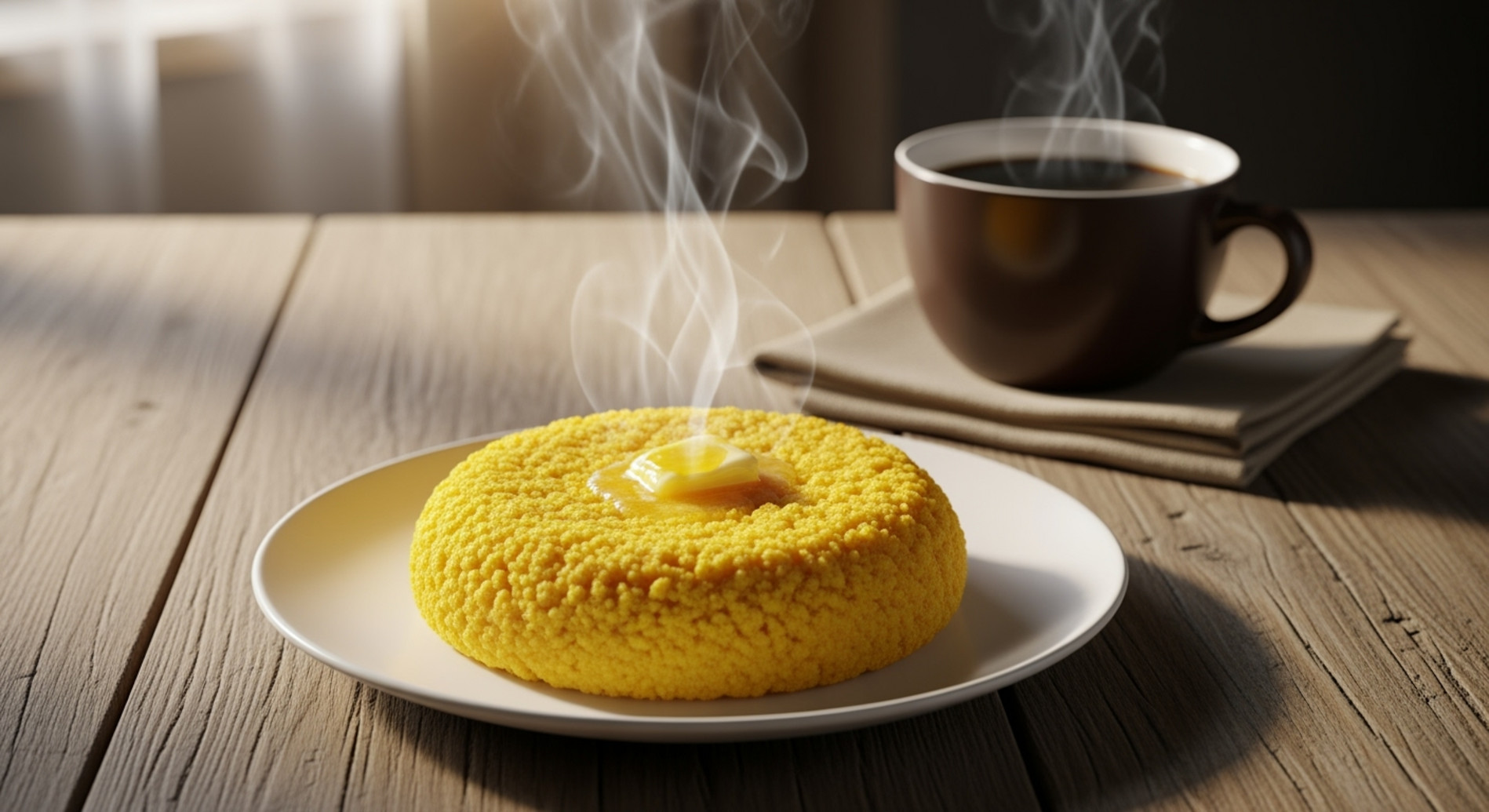
Cuscuz, also spelled cuscus or cuzcuz, is a dish made mostly with cornmeal, but it means much more in the places where it’s eaten often. Although it is related to couscous from the Middle East, cuscuz has developed a style of its own, especially in Brazil and Cape Verde. When traditional recipes meet new ingredients and local tastes, cuscuz becomes something both different and still connected to its origins.
At its most basic, cuscuz is a steamed dish made from cornmeal. But that simple idea takes many forms. Cuscuz can be a basic breakfast or a decorative main dish, with endless ways to prepare and serve it. Its variety comes from the different regions – each adding its own twist and tradition.
Where Did Cuscuz Come From?
Cuscuz began as North African couscous, which uses wheat semolina and was brought to Brazil and Cape Verde by Portuguese settlers. Once it arrived in these new places, local cooks started using locally grown cornmeal instead of wheat. That’s how cuscuz slowly became a different dish in each country, showing the creativity of people working with the foods they had available.
Now, cuscuz is deeply connected to daily life in both Brazil and Cape Verde, but the recipes and types you’ll find there are very different from North African couscous-and from each other. This makes cuscuz interesting, because each culture created its own version to fit local tastes and traditions.
What Makes Cuscuz Special?
There are a few things most versions of cuscuz have in common:
- Steamed preparation: Cuscuz is mainly steamed, usually from corn flour or cornmeal, though sometimes other starches like manioc (yucca) or tapioca are added.
- Wide range of textures: Depending on the recipe, cuscuz can be crumbly and soft or more like a dense, sliceable cake.
- Flexibility: One reason cuscuz is so popular is because you can make it sweet or savory, simple or full of add-ins. It can be a quick breakfast or a main part of a big meal. It absorbs flavors well, so it goes with many toppings or mix-ins, from butter and cheese to meats, fish, and vegetables.
Most Popular Types and Regional Styles of Cuscuz
Cuscuz is eaten in several different ways depending on where you are. Here are some of the best-known types:
Cuscuz in Brazil
Brazil has many ways to prepare cuscuz. Some of the most common are:
- Cuscuz Nordestino: This style is from northeastern Brazil. It is simply steamed cornmeal, sometimes with butter or cheese added, or a splash of coconut milk. It’s usually served for breakfast, often in place of bread, and highlights the natural taste of cornmeal.
- Cuscuz Paulista: This comes from São Paulo state. Unlike the plain cuscuz from the northeast, Cuscuz Paulista is a savory and showy dish, made by mixing cornmeal with vegetables (like onions, peppers, tomatoes), herbs, eggs, and often shrimp, chicken, or tuna. It’s formed into a mold for a special presentation and served at family gatherings or parties.
- Cuscuz de Tapioca: Also called Cuscuz Baiano or Cuscuz Branco, this is a sweet dessert made from tapioca pearls, coconut, and condensed milk. It’s more like a pudding or custard and is served as a dessert.

Cuscuz in Cape Verde
Cape Verde offers its own twist on cuscuz. There, it is mainly made with corn flour or sometimes manioc flour. The mix often includes a little sugar, some tapioca starch, and cinnamon, which gives it a warm taste and smell. It’s steamed in a clay pot called a “binde” and topped with salted butter before serving. It is mostly eaten at breakfast but is sometimes paired with other foods like eggs, fish, or rice as well.
- In Cape Verde, the texture is a bit like cornbread – though the flavor is different.
- It is usually made in bigger batches that are reheated for breakfast all week.
Comparing Brazilian and Cape Verdean Cuscuz
| Brazilian Cuscuz | Cape Verdean Cuscuz | |
|---|---|---|
| Main Ingredient | Cornmeal/corn flour | Corn flour or manioc flour |
| Common Add-Ins | Butter, cheese, meats, eggs, vegetables | Sugar, cinnamon, sometimes tapioca starch |
| Texture | Crumbly or cake-like (depends on style) | Compact, slightly sweet, similar to dense bread |
| Cooking Tool | Cuscuzeira (metal steamer) | Binde (clay pot with holes) |
| How It’s Served | Breakfast, or main dish with garnishes | Breakfast, often with butter, sometimes with fish or rice |
Cuscuz Paulista vs. Basic Cuscuz
- Basic cuscuz (like Cuscuz Nordestino or Cape Verdean cuscuz) is usually just steamed cornmeal with a little salt, sugar or butter. It’s plain, focusing on the corn’s flavor.
- Cuscuz Paulista is much fancier, with layers of cornmeal, broth, vegetables, and proteins. It’s turned out from a mold and served as a special main dish for gatherings.
What’s in Cuscuz? Ingredients and Flavors
Cuscuz is usually made from a short list of ingredients, but small changes make big differences in texture and taste. Here’s what you’ll commonly find:
Usual Ingredients
- Cornmeal or corn flour: The main component; can be fine or coarse for different textures.
- Water: To moisten and allow steaming.
- Tapioca starch: Added in some versions (especially Cape Verdean) for stickiness.
- Sugar and cinnamon: For sweet versions, especially in Cape Verde.
- Salted butter: Used as a topping for both sweet and savory types.
- Other vegetables, meats, cheeses, or coconut: Added for extra flavor in certain regional styles.
Typical Flavors and Texture
- Savory cuscuz: Tastes like sweet corn, with buttery or cheesy notes if those are added. Texture is usually crumbly but moist.
- Sweet cuscuz: Has a comforting, cake-like feel, with gentle sweetness from added sugar and a spicy warmth from cinnamon.
- Cuscuz Paulista: Is savory and hearty, tasting of broth, vegetables, and fish or chicken depending on the recipe. It is denser and sliceable.
Nutrition Facts and Health Benefits
- Cornmeal-based cuscuz is a good energy source, full of complex carbohydrates that help you feel full longer.
- It is naturally gluten-free (so long as cornmeal is used), making it a good option for people with gluten issues.
- Additions like beans, vegetables, or lean meats add fiber, protein, vitamins, and minerals, depending on how it’s made.
What You Need to Make Cuscuz
A few tools make preparing cuscuz at home much easier, especially if you want the right look and texture.
Cuscuzeira vs. Binde
- Cuscuzeira: A metal steamer pot, common in Brazil, made especially for cooking cuscuz. It sits on top of a regular stove and is easy to use and clean.
- Binde: A clay pot used in Cape Verde. It gives cuscuz a special aroma but isn’t always easy to find. Some people use clean, unglazed flower pots as a substitute, but check for food safety if you try this.
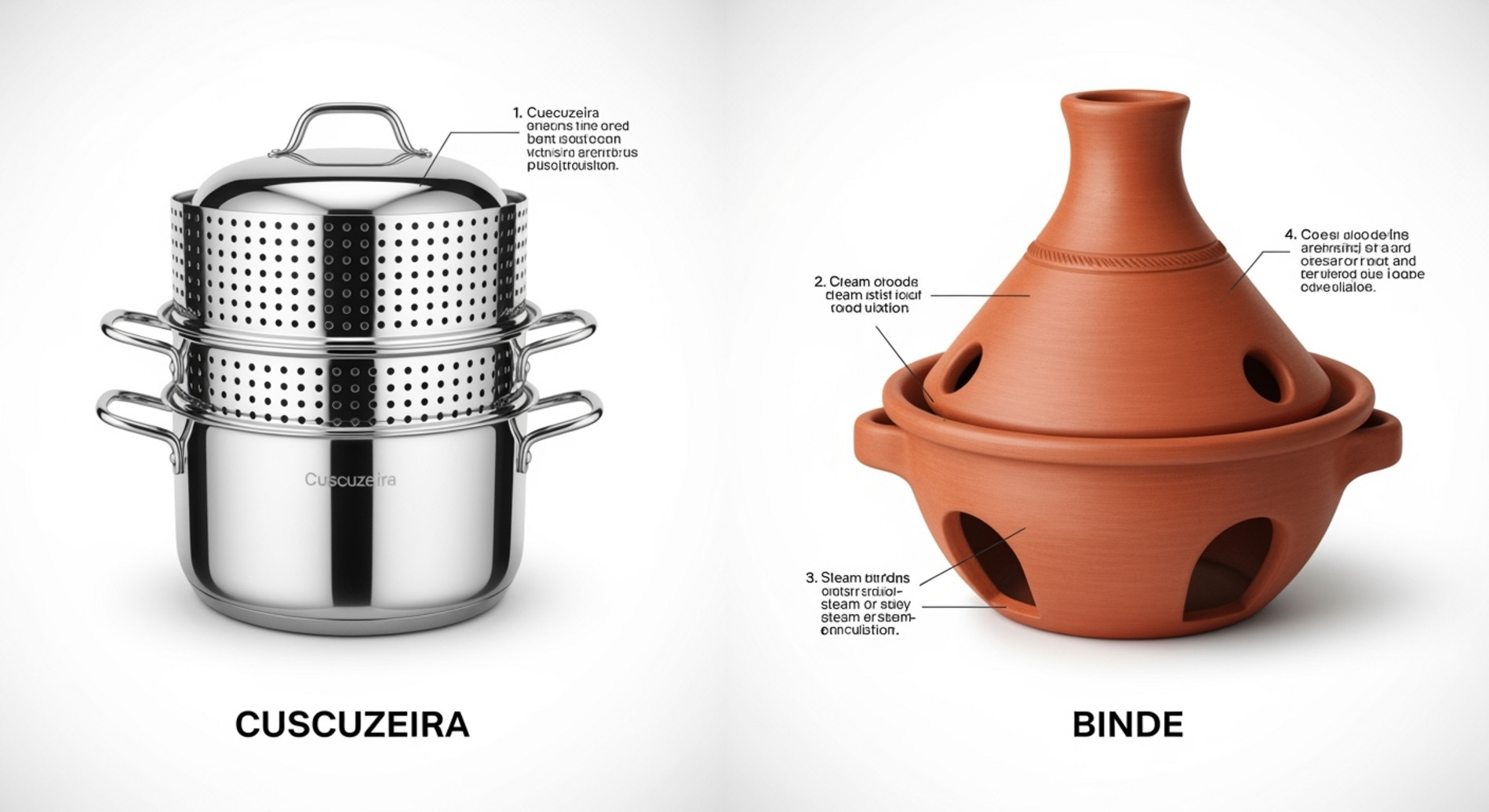
Choice between these usually comes down to what is available and whether you want the traditional experience or more convenience.
Other Helpful Tools
- Big mixing bowl: For combining cornmeal and other ingredients.
- Mesh strainer: Used to sift the moistened mixture into the steamer for a lighter, even result.
- Metal can (for the binde method): Holds water under the clay pot during steaming.
- Parchment paper or coffee filter: To line the bottom of the binde and keep mixture from falling through holes.
- Foil and cover: To cover and hold in steam for the binde method.
How to Make Cuscuz at Home: Simple Steps
Making cuscuz isn’t hard, but it does need some attention to details. Here are the steps:
- Mix dry ingredients: Place corn flour (and any masa harina or tapioca starch) in a large bowl. Mix them together thoroughly.
- Add water: Pour in room temperature water a little at a time and mix with your hands. The right texture is when the mixture can be squeezed into a ball that holds its shape but falls apart if lightly pressed. How much water you need can depend on humidity and the cornmeal type.
- Add sugar and cinnamon (if desired): After hydrating, mix in any sugar and cinnamon for sweet versions. Blend well.
- Fill the pot: Grease your steaming pot or line it if needed. Use a strainer to gently sift in the moistened mixture. Don’t pack it down; keep it fluffy so the steam can move through.
- Steam: For a binde, seal the space between pot and can with a flour paste. Cover with foil and a lid. On a cuscuzeira, just close the lid as usual. Steam over medium heat, usually about 40 minutes, until you notice a good aroma and condensation on the lid.
- Cool, unmold, and serve: Allow to cool slightly. Carefully turn out on to a plate. Keep covered with a towel until serving. Slice and eat with butter, cheese, or your favorite toppings.
Top Tips for Great Cuscuz
Proportion and Technique
- The right hydration level is key. Too much water makes it soggy and hard to unmold; too little makes it dry and crumbly. Add water slowly and test texture as you go.
- For Cape Verdean cuscuz, 32 oz of yellow corn flour, 1 cup of pre-cooked cornmeal, and 2 tbsp tapioca starch is a good starting point. Sugar (about 1 cup) and cinnamon (1-2 tbsp) can be adjusted to taste.
- Serving with salted butter adds just enough salt to balance the slight sweetness. Let the butter soften ahead of time for easy spreading.
What to Avoid
- Don’t press mixture too firmly in the steamer. It should be loose enough for steam to move through and cook evenly.
- Adding water all at once or too quickly can make mixing difficult and lead to clumps.
- Give the cuscuz time to cool before unmolding. Taking it out too soon can make it fall apart.
Serving and Storing Cuscuz
How to Serve
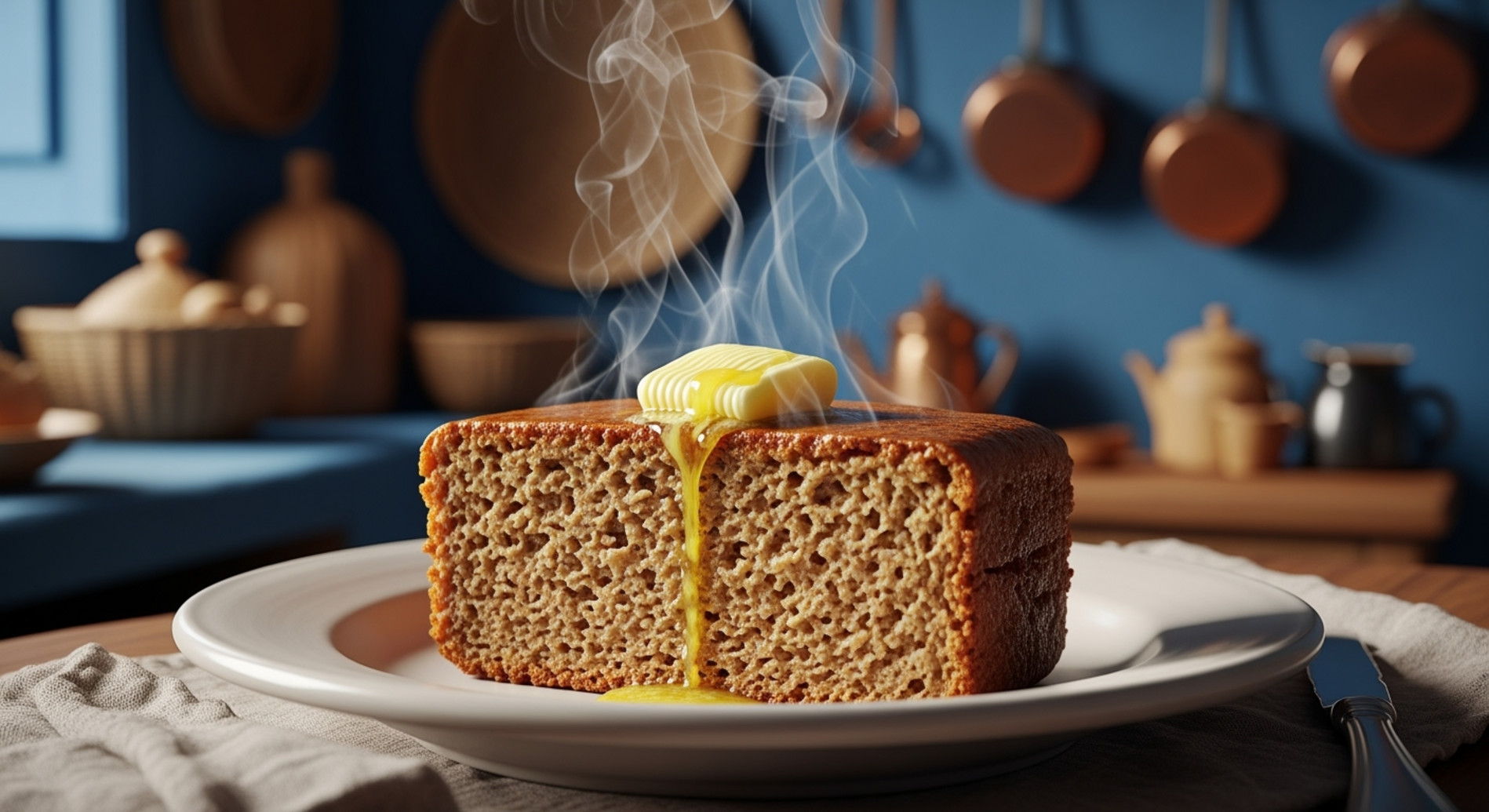
- Sliced warm with soft salted butter is the classic way to eat cuscuz in both Cape Verde and Brazil.
- For sweet versions, try with jam, condensed milk, or honey. Some people also enjoy it in a bowl with milk and sugar, like a warm cereal.
- Savory types work well with cheese, meats, eggs, or even sauteed vegetables.
- Cuscuz Paulista is served as a centerpiece main dish or as part of a larger meal spread.
How to Store Leftover Cuscuz
- Wrap leftover cuscuz tightly in foil and keep it in the refrigerator. This keeps it from drying out or growing mold.
- When ready to eat again, reheat it in a steamer. This returns its softness and moisture.
- Leftovers will stay fresh in the fridge for 3-4 days.
Cuscuz: Questions and Answers
Is Cuscuz Gluten-Free?
- Brazillian and Cape Verdean cuscuz made from cornmeal are gluten-free, but North African couscous (made from wheat) is not.
- If you buy pre-packaged cornmeal, check labels if you are sensitive to gluten, as cross-contact can happen in factories.
Can You Make Cuscuz Vegan or Vegetarian?
- Most simple cuscuz recipes are naturally vegan – just cornmeal, water, sugar, and cinnamon. Use plant-based butter or coconut milk for topping to keep it vegan.
- Cuscuz Paulista or other versions that call for meat or eggs can easily be adjusted. Leave out animal products and add extra vegetables or use vegetable broth instead of chicken broth for a vegetarian or vegan dish.
