

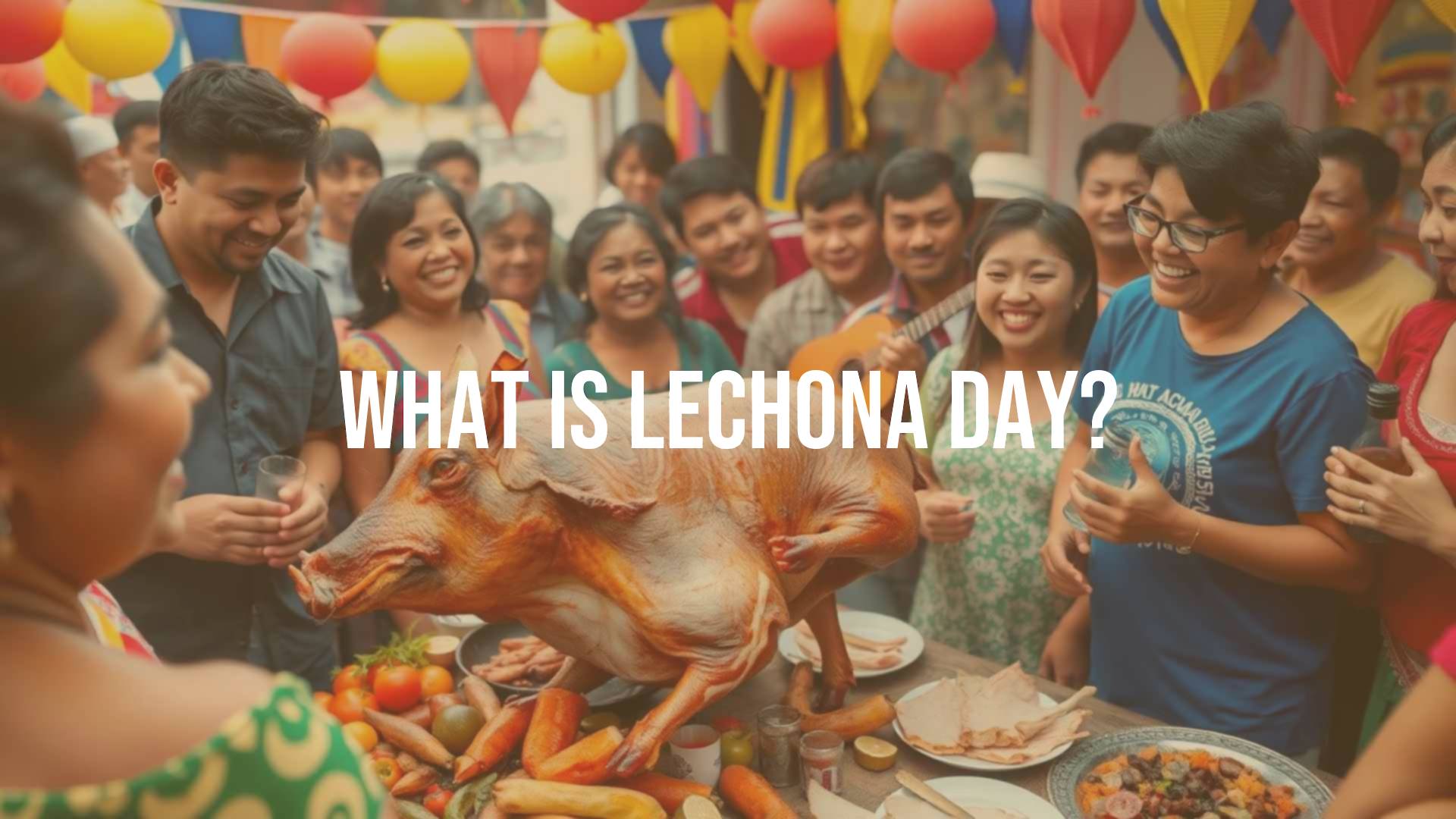
Lechona Day isn’t an official national holiday or tied to a specific day on the calendar. Instead, it’s a lively celebration focused on eating one of Colombia’s favorite traditional foods: lechona. This is a time when families and neighbors gather-often on weekends or during big events-to prepare, enjoy, and share this delicious roasted pig dish. Instead of being marked in red on the calendar, Lechona Day is more like a local event or happening, filled with food, music, and community spirit.
Lechona Day is about more than just tasting lechona. The experience includes the time-consuming preparation, sometimes going overnight, and the big shared meal that follows. It’s a special way that Colombians show their hospitality and hold onto their cultural roots. When you hear about Lechona Day, imagine a big, friendly party, fragrant pork roasting in the air, and lots of laughter all around.

How Did Lechona Day Begin?
Lechona’s history in Colombia is very old. Before there was any talk of a special “day,” indigenous people were already roasting whole animals for important gatherings. When the Spanish came to Latin America, they brought pigs and new ways of cooking. Locals quickly started using pork in their own recipes.
Roasting pigs was a common practice in Spain for celebrations, and this tradition mixed with local customs over time. Using a whole pig soon became a symbol of luck and plenty for important occasions, and this is how the Colombian lechona was born.

Where Do People Celebrate Lechona Day?
Lechona is made and eaten all across Colombia, but the Tolima area is especially known for it. No matter where you go in the country-cities, small towns, or even restaurants-you can find lechona on special days. Each region, including Huila, Cali, Santander, Antioquia, and places along the Caribbean coast, has its own version. The main idea is always a whole pig, stuffed and roasted, but the seasonings and sides can vary a lot across regions.
When Does Lechona Day Happen?
Unlike holidays like Christmas or New Year’s, Lechona Day doesn’t fall on a set date. Instead, it usually happens on weekends or when there’s something big to celebrate. Lechona is made for important events, since it takes so much work and can feed so many people. Birthdays, weddings, fairs, and big family get-togethers are all times you might find lechona as the main dish.
Traditions and Celebrations
Lechona Day is more than just a special meal-it’s a social tradition that brings people together. The lead-up to the meal, working together to prepare it, and the act of sharing food all help build strong connections between people. This day is about community, generosity, and the pleasure of eating together.
The smell of pork roasting often fills entire neighborhoods, drawing in friends and family. This scent signals a day of plenty and fun, with good food at its center.
Rituals and Customs
Making lechona is a process with its own set of customs. Preparation commonly starts the night before. Families or groups clean, season, and stuff the pig together. The pig, usually about half a year old, is cleaned and prepared very carefully.
| Step | Description |
|---|---|
| Clean the pig | Remove hair and wash thoroughly |
| Prepare stuffing | Mix rice, yellow peas, onions, garlic, cumin, and achiote |
| Stuff and season pig | Fill the pig and season well |
| Roast | Cook slowly, often overnight, until skin is crisp |

The Role of Family and Community
Lechona is made to feed many people, which makes it perfect for large celebrations. Preparing lechona often gets everyone involved: some cook, some prepare the fire, others wait eagerly for the finished meal. Recipes and techniques are usually handed down from one generation to the next, making every family’s lechona a little unique.
Why is Lechona Important?
Lechona is more than a tasty meal to Colombians. Its history connects people today with their ancestors. The impressive look of a whole roasted pig with golden skin stands for plenty, sharing, and joy. It also anchors Colombian culture during changing times, reminding everyone of where they come from.
Regional Lechona: Different Flavors Around Colombia
Although the basic idea-roasted, stuffed pig-remains the same, every part of Colombia has its twist on lechona. Local ingredients, cooking methods, and family traditions make each version a little different. This variety helps keep food traditions alive and interesting.
Main Differences by Region
- Tolima: Uses rice, yellow peas, and plenty of pork; well-balanced flavors.
- Antioquia (Paisa): May add extra vegetables or spices; sometimes chickpeas instead of yellow peas.
- Other Regions: Choices of grains, legumes, seasoning, and sides can differ by area.

Some serve lechona with just lime, others add a piece of crispy skin on top. Arepas are common in some places, but not everywhere. All these small changes mean that eating lechona in one region can be a different (but always delicious) experience from another.
How to Prepare Lechona at Home
Making lechona is a true cooking project. It requires time, care, and some special equipment. If you want to make lechona yourself, knowing the main steps and common mistakes will help the process and results.
Basic Ingredients and Tools
- Whole pig (5-6 months old is standard)
- Pork shoulder or belly (for stuffing)
- Dried yellow peas (or lentils)
- Cooked white rice
- Garlic, onions, red peppers
- Ground cumin, achiote or paprika, salt, black pepper
- Optional: lard or pork fat
For equipment, you’ll need:
- Large bowl for mixing stuffing
- Sharp knife and cutting board
- Oven and large baking tray with rack
- Aluminum foil
- Kitchen twine
- Basting brush (optional)
Step-by-Step Lechona Preparation
- Marinate the pork for stuffing with garlic, onions, peppers, and spices; let it sit 30 minutes or more.
- Clean pig skin with water and lemon juice, dry fully, season with salt and pepper.
- Mix cooked rice and yellow peas with the marinated pork to make stuffing.
- Spread the skin flat, pile stuffing into the center, then wrap it up and tie tightly.
- Heat oven to 180°C (350°F). Place lechona seam-down on rack over tray, cover loosely with foil.
- Roast for about 2.5-3 hours; remove foil for the last hour so the skin crisps up. You can brush some of the natural fat over the skin for extra crunch.
- After roasting, let the lechona rest about 10-15 minutes. Slice and serve with cilantro, lime, perhaps arepas, or a spicy ají as a dip.

Things to Watch Out For
- Don’t leave the skin damp-dry it well, or it won’t crisp up.
- Don’t be shy with spices! The stuffing needs bold flavors.
- Don’t rush the roasting. If it’s not cooked slowly, the meat and skin won’t turn out right.
- Don’t over-stuff (or under-stuff) the pig, so it cooks evenly.
- Let it rest after cooking so juices spread and the meat stays moist.
Lechona’s Effect on Communities and Business
Lechona Day is about more than eating; it plays an active part in Colombia’s culture and economy. Preparing and selling lechona creates jobs and helps local farmers, markets, and cooks. Making lechona brings people together and keeps old traditions strong.
Helping Local Markets and Tourism
- Pig farmers sell more pigs for celebration times.
- Markets and stores see increased sales of rice, peas, and spices.
- Local craftspeople build roasting ovens and tools.
- Food stands and restaurants offer lechona to customers and tourists alike.
Lechona is even gaining fame abroad, attracting visitors wanting a taste of real Colombian cooking.
Shaping Colombian Food Identity
Lechona isn’t just a dish, but a clear sign of Colombian culture and pride. It’s a food people link to major events, and the careful work put into it shows the value placed on tradition. Sharing lechona helps keep memories, recipes, and family links alive.
Common Questions About Lechona Day
| Question | Answer |
|---|---|
| Is Lechona Day just a Colombian thing? | Mostly yes. Other countries like Cuba and the Philippines also roast stuffed pigs, but Colombian lechona has its own special stuffing and customs. Only in Colombia is it connected to such communal celebrations with these specific flavors. |
| Can I make lechona at home? | Yes, but it takes lots of work and planning. You need space and equipment for roasting a whole pig. Many families cook lechona for special events, but some prefer to buy it ready-made from local markets or specialty cooks. |
| Healthier options? | Lechona is rich and filling. If you want something lighter, try smaller servings, or focus on Colombian meals with more fruit, grilled meats, or vegetables. Balance is key so you can enjoy the celebration without overdoing it. |
Celebrating Lechona Day: Closing Thoughts
Lechona Day brings together tradition, community, and great food. It’s a true part of Colombian life-a way for people to connect, share, and enjoy something special. Preparing and eating lechona isn’t only about taste, but about family, fun, and preserving culture.
If you ever have the chance to join a Lechona Day, don’t miss it. Whether you’re familiar with Colombian food or new to it, sharing lechona is a wonderful way to experience the country’s warmth and togetherness. The taste, the smells, and the company will give you memories to last-even after the last bite is gone.
